Writing
Shin Hasegawa
Born March 15, 1884 · Kanagawa, Japan
Died June 11, 1963 · aged 79
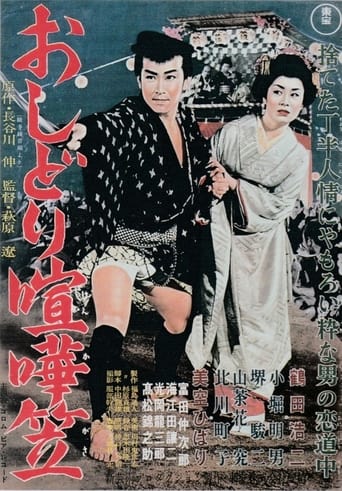
Shin Hasegawa was a Japanese journalist, author, novelist, and screenwriter.
Known For
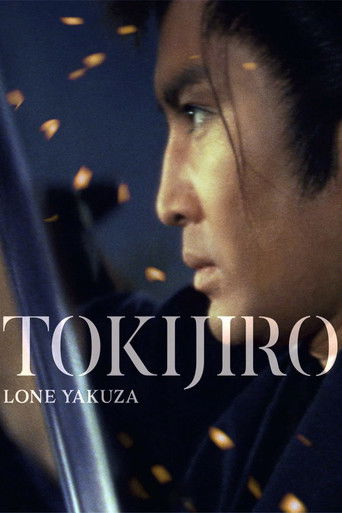
 The Gambler's Code · 1961
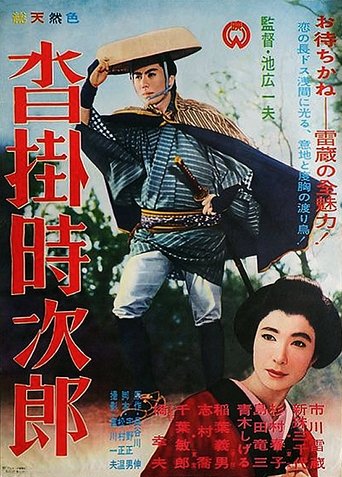
The Gambler's Code
★ 7.21961
MovieHistoryDrama
One of Japan's most popular stories is the tale of Kutsukake Tokijiro, a traveling gambler who finds that he must take care of the wife and child of a yakuza he had been forced by the code of the gamblers to fight man to man. In a brilliant performance from super-star Ichikawa Raizo, with strong support from two of the greats from Toho, Shimura Takashi (7 Samurai) and Aratama Michiyo (Sword of Doom) the heartfelt story reaches new heights. Tokijiro, having learned the true nature of the boss to whom he was obligated for having spent a night and eaten at the gang's headquarters takes up arms against them in a running battle fought across the back roads of the entire nation. Another powerful rendition of this superb story, it is not to be missed!
 Koina no Ginpei · 1961
Koina no Ginpei
★ 7.01961
MovieDrama
 Hatsu sugata ushimatsu gōshi · 1954
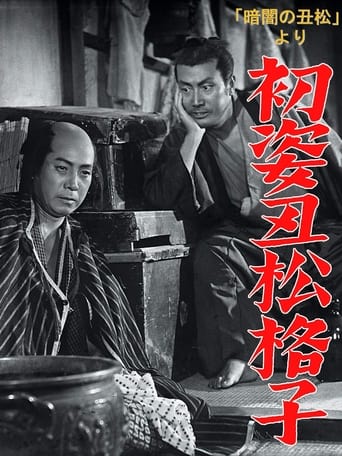
Hatsu sugata ushimatsu gōshi
1954
MovieDrama
Fukagawa's chef Ushimatsu of the restaurant Kawatake fell in love with a maid named Omame and changed dramatically. He stopped gambling and womanizing much to the surprise of his friends. As their wedding day approached, Minosuke who had long been infatuated with Omame threatened her mother Okuma by using a promissory note for three ryō that he lent to her.
 Asama no karasu · 1953
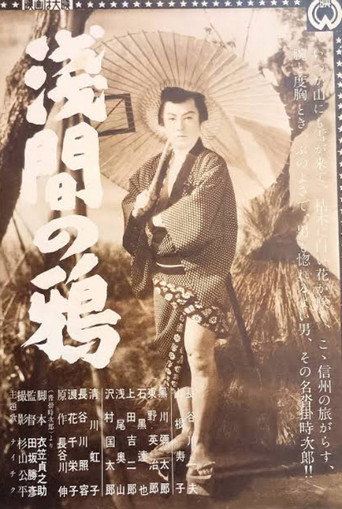
Asama no karasu
1953
MovieDrama
After killing a man who owed him neither a debt of gratitude nor a grudge, Tokijiro decides to leave the yakuza life behind in accordance with the code of honor—but becomes an assistant to yakuza for the sake of the man’s orphaned child his mother.
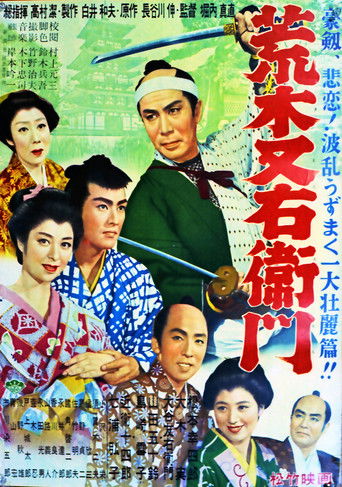 荒木又右衛門 · 1955
荒木又右衛門
1955
Movie
Watanabe Kazuma and Kawai Matagorō from the Bizen Okayama Ikeda clan were close friends, but they inevitably became enemies after Matagorō killed Kazuma's younger brother, Gentayū, and fled. Seeking assistance, Kazuma asked his brother-in-law, Araki Mataemon, for help, but Mataemon refused, saying that it was against the code for a brother to avenge another brother's death. On the other hand, the lord of the clan, Ikeda Tadao, ordered a search for Matagorō, who was found to be sheltered by the Hatamoto, including Andō Jiemon, in Edo. Tadao was furious but unable to act. Matagorō, in Edo, came to regret his birth as a samurai. He met and fell in love with Okō, a bathhouse maid. As the discord between the Hatamoto and the Ikeda clan deepened, Tadao died of illness. Seizing the opportunity to ease the conflict, the shogunate ordered the Ikeda clan to be succeeded by the young lord Katsugorō and to relocate to the Ikeda clan of Inshū Tottori. Meanwhile, Matagorō was exiled from Edo.
 Lion Festival of Echigo · 1962
Lion Festival of Echigo
1962
Movie
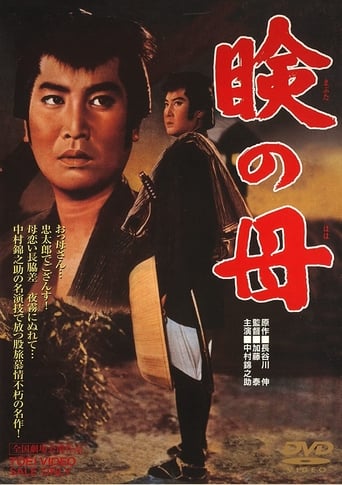
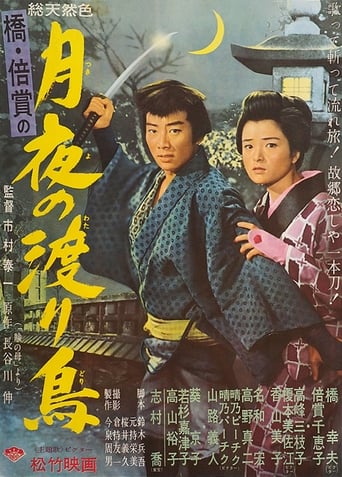 The Image of Mother · 1963
The Image of Mother
1963
MovieDrama
A resolute young man searching for his mother, whom he was separated from as a child, defies a family who mistreat the poor and homeless.
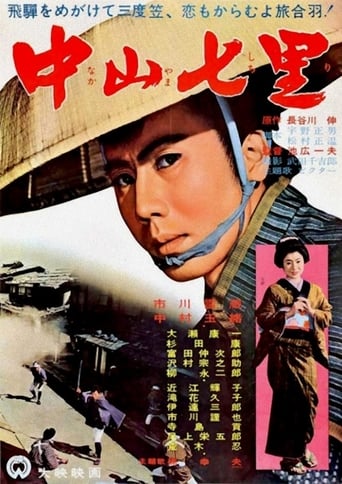 Seven Miles to Nakayama · 1962
Seven Miles to Nakayama
★ 7.01962
MovieActionHistory
When a corrupt magistrate rapes Oshima, Masa (Raizō Ichikawa) avenges her by killing the officer, becoming thereby a fugitive, haunted and grief-stricken by the fact that Oshima committed suicide. Going underground in the gambling world, perpetually hiding from the law, Masa eventually meets a young woman named Onaka, who looks exactly like Oshima. Tales having two look-alike heroines are a commonplace in Japanese period films, a plot affectation inherited from the kabuki theater. Based on a novel by Shin Hasegawa, Nakayama shichiri was already twice filmed in 1930, one version directed by Namio Ochiai, and from which less than 40 minutes survive, the other directed by Kyotaro Namiki. Both are silent films, preserved by the Makino film institute.
Filmography
Sort
Koina no Ginpei · 1961Koina no Ginpei
★ 7.01961
MovieDrama
Original Story
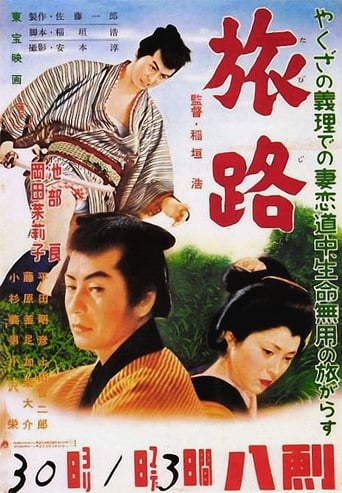
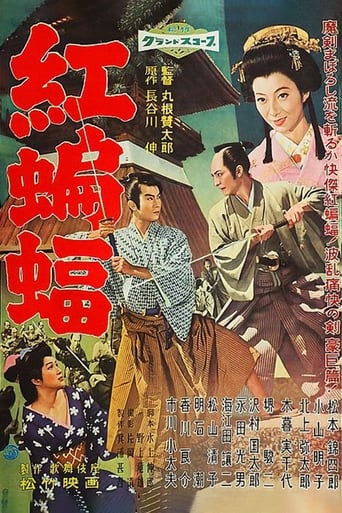 The Red Bat · 1958
The Red Bat
★ 10.01958
MovieDrama
Original Story
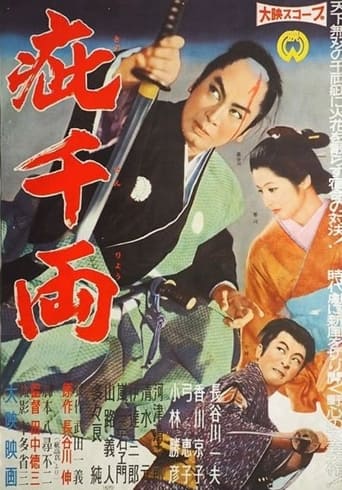

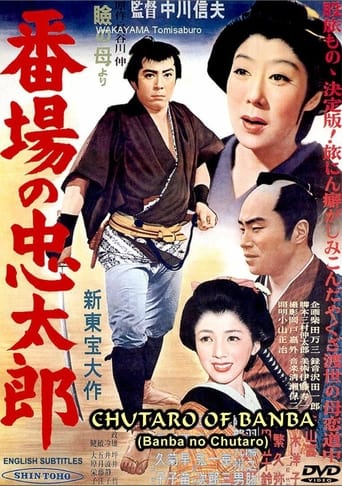
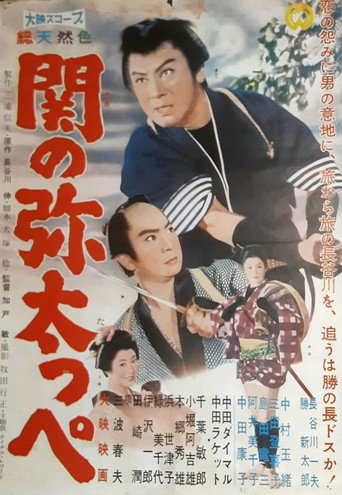 Seki no Yatappe · 1959
Seki no Yatappe
1959
Movie
Original Story
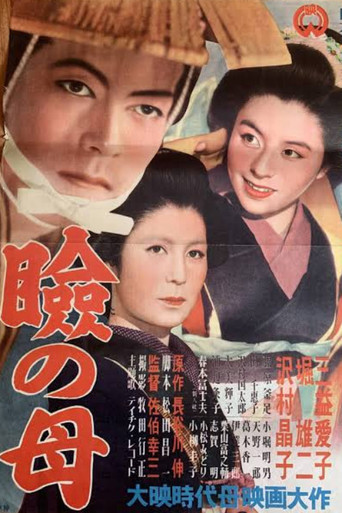 Mabuta no haha · 1952
Mabuta no haha
1952
MovieActionDrama
Original Story
 直八子供旅 · 1958
直八子供旅
1958
Movie
Original Story

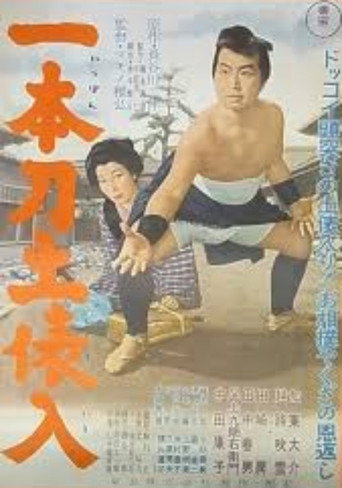 The Ornery Entrance to the Sumo Ring with a Sword · 1957
The Ornery Entrance to the Sumo Ring with a Sword
1957
Movie
Original Story
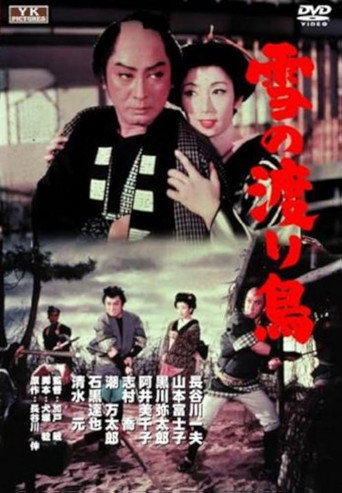 Yuki no wataridori · 1957
Yuki no wataridori
1957
Movie
Original Story