Directing
Bill Viola
Born January 25, 1951 · Queens, New York, USA (age 75)
A pioneer in the medium of video art, Bill Viola's work explores the spiritual and perceptual side of human experience. Since 1970 he has created videotapes, architectural video installations, sound environments, electronic music performances and pieces for television. Works include Hatsu Yume (First Dream), The Passing, and installations Room for St. John of the Cross, The Messenger and The …
Known For
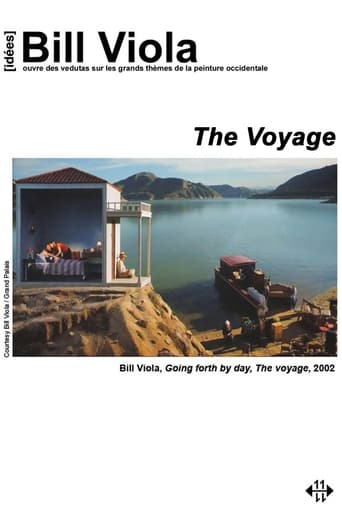 The Voyage · 2002
The Voyage
★ 10.02002
Movie
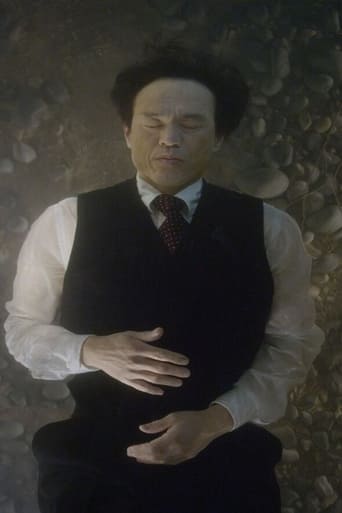
The fourth video in the five-part digital-image cycle project "Going Forth By Day" (2002), "The Voyage" features an elderly man who is dying, surrounded by his family, as a boat below filled with his possessions awaits him.
 Anthem · 1983
Anthem
★ 6.31983
MovieDocumentary
A series of shots depicting "America" are laid over a classic Gregorian Chant recreated through the distortion of a woman's screams.
 Going Forth By Day · 2002
Going Forth By Day
2002
Movie
The film is a five-part projection-based installation, which addresses the complexity of human existence through the themes of individuality, society, death and rebirth. Each video is projected directly onto the wall of the exhibition space, just as paint from a fresco adheres to the surface of a plaster wall.
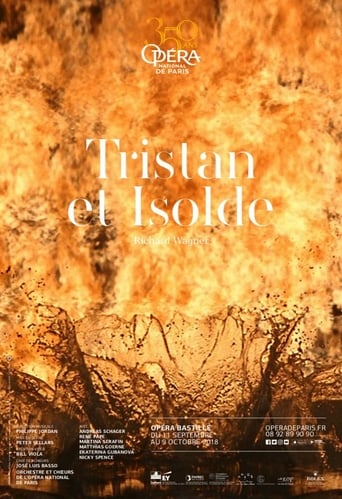 Wagner: Tristan und Isolde · 2018
Wagner: Tristan und Isolde
2018
MovieDrama
Motivated by the love that bound him to Mathilda Wesendonck, Richard Wagner’s composition of Tristan und Isolde goes far beyond any simple operatic gesture. Peter Sellars’ production pours oil onto this troubled sea of emotions in an almost dematerialised setting bared of all earthly contingencies whilst Bill Viola presents the lovers’ initiatory quest for nirvana in videos detached from the stage, suspended like altarpieces.
 The Stopping Mind · 1990
The Stopping Mind
1990
Movie
The video installation's alternation between slow and fast-moving images, as well as soft and loud sounds, represents faltering thought processes. A murmuring voice illustrates the installation's effect on the viewer's mind.
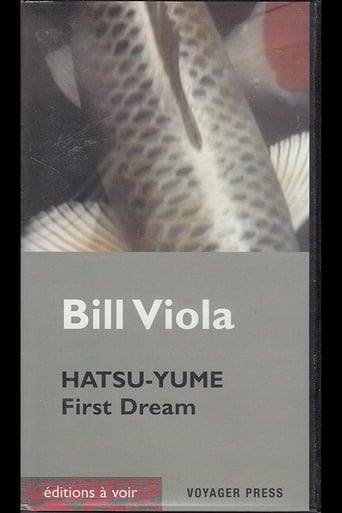 Hatsu Yume (First Dream) · 1981
Hatsu Yume (First Dream)
★ 6.41981
MovieDocumentary
With a title referring to Japanese folklore, wherein things done on the first day of a new year are significant, the film - an ardent dream entirely shot in Japan - stands as a spiritual allegory equating light and dark with life and death.
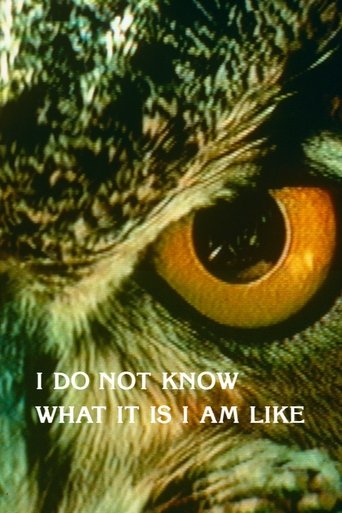 I Do Not Know What It Is I Am Like · 1986
I Do Not Know What It Is I Am Like
★ 6.71986
MovieDocumentary
"I Do Not Know What It Is that I Am Like" juxtaposes images of animals, both wild and domestic, and natural environments with human activity as it takes place in an apartment, and during a fire walking ceremony in Fiji. Documentary-style footage is combined with staged events. Despite the piece's lack of a traditional narrative, it bears some relationship to nature works. The segment features material from "Il Corpo Scuro (The dark body)" - animals and natural environments are seen up close and at a distance.
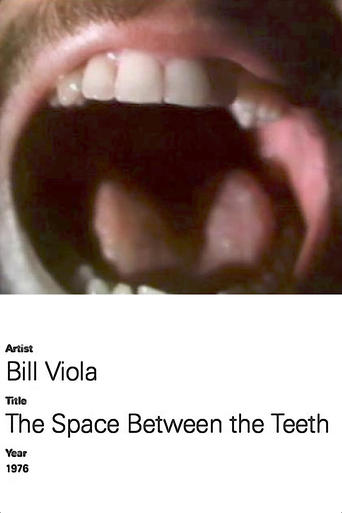 The Space Between the Teeth · 1976
The Space Between the Teeth
★ 7.01976
Movie
The Space Between the Teeth is based on the structure of acoustic phenomena and the psychological dynamics of a man screaming at the end of a long dark corridor. With each successive scream, the camera point of view hurtles at high velocity along the length of the hallway in decreasing increments. The corridor and the cinematic structuring of the camera's advance act as metaphors for passage and transition between two worlds, bridged by the individual's cathartic screams. Ultimately, the image of the man at the end of the corridor is transformed into a Polaroid still that is literally washed away.
Filmography
Sort