Acting
John Romer
Born September 30, 1941 · Surrey, England (age 85)
John Lewis Romer is a British Egyptologist, historian and archaeologist. He has created and appeared in many TV archaeology series, including Romer's Egypt, Ancient Lives, Testament, The Seven Wonders of the World, Byzantium: The Lost Empire and Great Excavations: The Story of Archaeology.
Known For
 Ancient Lives · 1984
Ancient Lives
1984
MovieDocumentary
How did ordinary Egyptians live in the time of the pharaohs? Renowned British Egyptologist John Romer explores the ruins of an ancient village just outside Thebes, where generations of craftsmen and artists built and decorated royal tombs. There, relics reveal the most intimate details of the people's daily lives: their meals, their loves, their quarrels, and even their dreams.
 The Seven Wonders of the World · 1994
The Seven Wonders of the World
★ 6.81994
MovieDocumentary
Noted scholar John Romer takes us on a tour of the seven wonders of the ancient world. This program presents the stories of the works of architecture regarded by the Greeks and Romans as the most extraordinary structures of antiquity: the Hanging Gardens of Babylon, The Statute Of Zeus, the Temple of Artemis, the Mausoleum of Halicarnassus, the Pharos of Alexandria and the Pyramids of Egypt and more.
 The Rape of Tutankhamun · 1993
The Rape of Tutankhamun
1993
MovieDocumentary
John Romer’s documentary, originally broadcast on Channel 4 in 1993, where he sets out a case for a sympathetic and effective conservation of ancient Egyptian culture.
 Seven Wonders of the Ancient World: Simply The Best · 1994
Seven Wonders of the Ancient World: Simply The Best
1994
Movie
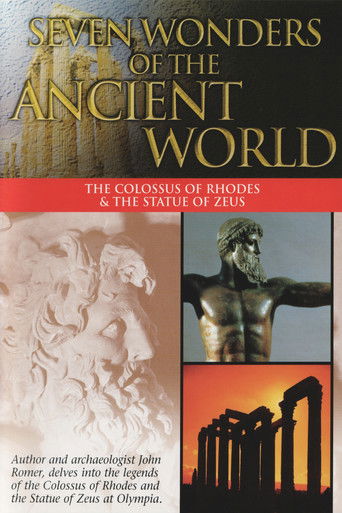
Explore the birth of the iage of "The New Man" in human hostory. Delving into the legends if the Colossus od Rhodes and the Statue of Zeus at Olympia, host John Romer demonstrates how these monuments projected a new vision of the human form into the popular consciousness. A mmoth figure of ivory and gold, the Statue of Zeus at Olympia ruled over the Olympic games. Before this venerable statue lay a huge, shallow pool of olive oil, which reflected light onto the figure. The Colossus of Rhodes was built with sheets of bronze and stood guard over the island of Rhodes. Perhaps the most astounding aspect of both monuments was that the sculptors modelled their faces in the image of man. Today, this image is mirrored in our own Statue of Liberty,
 Seven Wonders of the Ancient World: Ghost of Wonder · 1994
Seven Wonders of the Ancient World: Ghost of Wonder
1994
Movie
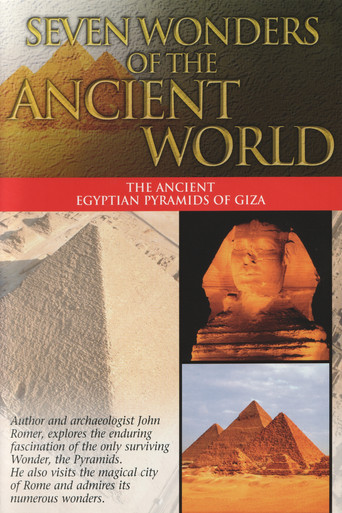
Author and archaeologist, John Romer, contemplates the mystical aspects of the Seven Wonders, exploring the enduring fascination of the only surviving Wonder, the Pyramids. John then focuses his attention on the city of Rome which had become a magical city, surrounded by a wall of iron enclosing seven hills, one for each day of the Creators rest. There were 365 squares in Rome, 365 streets, 365 palaces for the popes and each palace had 365 steps and each step was covered with bread enough to feed the world. It was a dream of poor people. imagining a legendary past. A past of endless wealth and wonder. Ghosts of Wonder demonstrates how the story of the Wonders is also the story of the modern imagination and has John Romere travelling from Australia to New York to illustrate how people are still haunted by ghosts of the ancient past.
 Seven Wonders of the Ancient World: The Magic Metropolis · 1994
Seven Wonders of the Ancient World: The Magic Metropolis
1994
Movie
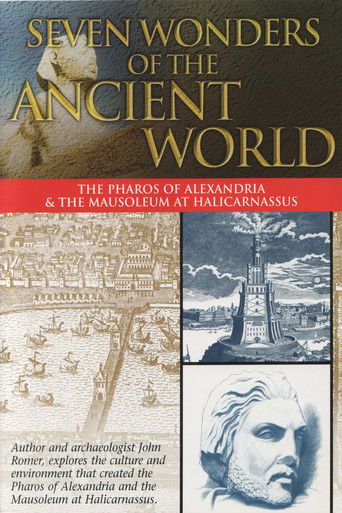
Host John Romer ventures to the sites of two ancient cities created by Alexander the Great - cities that were considered among the most beautiful and unusual the world had ever seen. We also explore the culture and environment that created several of the seven wonders. This episode examines two unparalleled testaments to the power of the era: The Pharos (Lighthouse) at Alexandria, which stood more that 300 feet, making it the tallest structure of its time, and the Mausoleum at Halicarnassus, which was considered one of the greatest tombs ever created. The Mausoleum's perimieter was not decoreated with icons of ancient gods, as was the custom of the time, but with ennobled and enlarged figures of real people. These statues are thought to have been an inspiration for the citizens - telling them they could be as great as the gods.
 Seven Wonders of the Ancient World: The Wonders of the East · 1994
Seven Wonders of the Ancient World: The Wonders of the East
1994
Movie
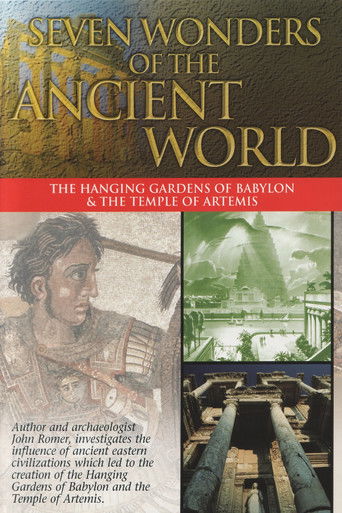
Explore with host John Romer, the influence of ancient eastern civilizations. The Hanging Gardens of Babylon, in what is now Iraq, were rumoured to be part of the palace of Nebuchadnezzar. Today, scientists believe that the exotic gardens were actually more fable than fact. The Temple of Artemis at Ephesusm in modernday Turkey, was built to honour the mother goddess. She was a powerful force for many different people - the Romans knew her as Diana, the Anatolians as Kybele - and her temple was one of the holiest shrines in Alexander the Great's world
 Romer's Egypt · 1982
Romer's Egypt
1982
MovieDocumentary
A three-part documentary narrated by John Romer as he travels through Egypt, recalling its lost civilization from 5000 to 30 BC. Romer explores ancient tombs and temples, deserted towns and sacred valleys.
Filmography
Sort