Directing
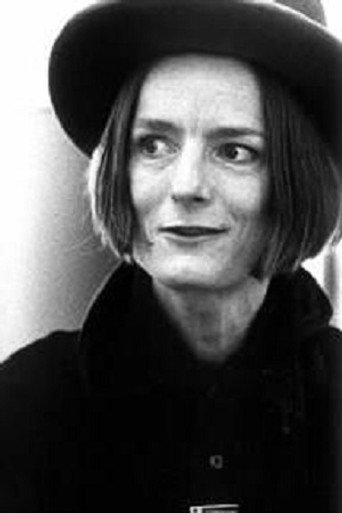
Sandra Lahire
Born November 19, 1950 · Kenton, Middlesex, England
Died July 27, 2001 · aged 50
Sandra Lahire was born in 1950. She studied Philosophy at the University of Newcastle-on-Tyne (BA), Fine Art Film at St Martins School of Art (BA 1984) and Film & Environmental Media at the Royal College of Art (MA 1986). Her films have been shown nationally and internationally at cinemas and festivals including Creteil, Locarno, Berlin, Montreal, Sao Paolo, Turin, Jerusalem, Australia and the Ph…
Known For
 Serpent River · 1989
Serpent River
★ 5.51989
Movie
Beautiful but often violent images are interwoven to create an experimental documentary about the hazardous existence of the Serpent River community living in the shadow of uranium mines in Ontario Canada.
 Night Dances · 1995
Night Dances
★ 7.01995
Movie
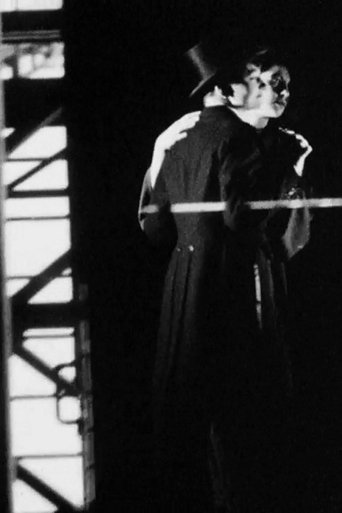
"Night Dances is for my mother, who died whilst helping me to make this piano musical. The Dance of Death is bound to life - Lechaim - as we whirl together by Hebrew gravestones. A dreaming woman is ferried through our decaying city. This is the age of the Personal Computer - the Private Catacomb for the switched-on elite. Its dark doorways are for the wandering homeless... true survivors."
 Terminals · 1986
Terminals
★ 4.51986
Movie
A filmic exploration of the working conditions of female workers at nuclear power stations. Voices of women describe their heightened exposure to the risks of lung cancer, miscarriage, Down syndrome or neurological damage. Echoing the way that the nuclear workers’ bodies are harmed by exposure to radiations, the filmstrip is constantly overexposed, burned to the point of the image’s near disappearance. Sandra Lahire (1950-2001) was a central figure in the experimental feminist filmmaking that emerged in the UK in the 1980s. She made a number of films addressing the dangers of nuclear power.
 Mirrored Measure · 1996
Mirrored Measure
1996
Movie
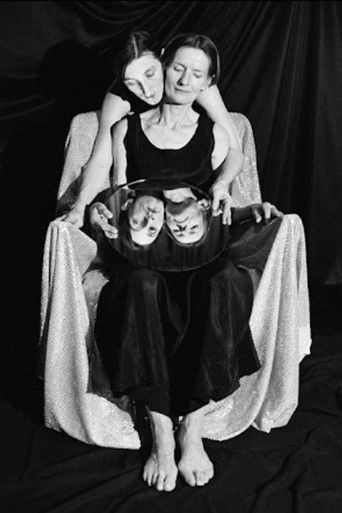
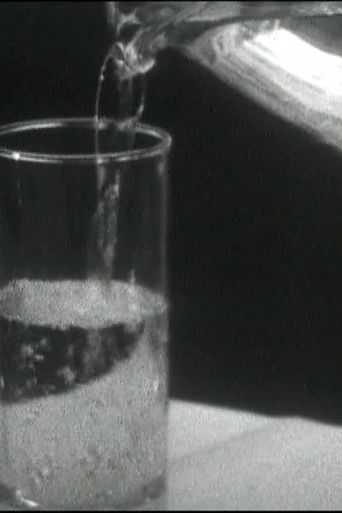
Mirrored Measure features two women separated by a generation. The older woman ceremoniously lays a table – she repeatedly spreads a cloth and smoothes it out. The table is set and glasses and jug filled with water. A balanced and controlled ritual follows in which the jug is passed round and water is repeatedly sipped. Water becomes the lens through which we see and the medium through which the protagonists connect. The sense of connectivity is abruptly severed when the first glass tumbles.
 Johnny Panic · 1999
Johnny Panic
1999
Movie
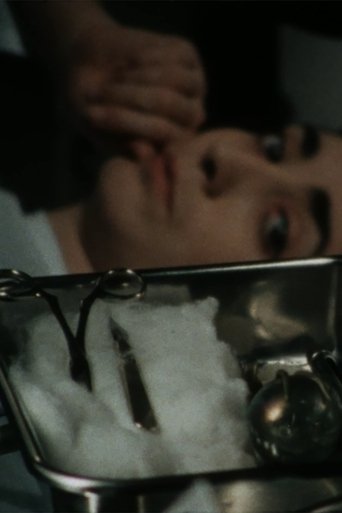
Within this film Lahire deftly combines the fictional aspects of Plath's writing with the stark reality of her life.
 Uranium Hex · 1987
Uranium Hex
★ 6.01987
Movie
A memory-using location film of a stay with a uranium mining community. Using a kaleidoscopic array of experimental techniques, this film explores uranium mining in Canada and its destructive effects on both the environment and the women working in the mines. A plethora of images ranging from the women at work to spine-chilling representations of cancerous bodies are accompanied by unnerving industrial sounds and straightforward information from some of the women.
 Arrows · 1984
Arrows
★ 5.01984
MovieDocumentary
Arrows uses a combination of live action and rostrum work to communicate the experience of anorexia and to analyse the cultural causes of the condition. 'I am so aware of my body', we are told on the soundtrack, whilst images of caged wild birds are intercut with images of the rib cage of the film's subject, the film-maker herself. The pressures placed upon women to be thin are articulated by an account of a new technique for surgical removal of fat. Once again, a woman who does not conform to male expectations in terms of her body-shape is classified as sick, in need of surgery. The constantly recurring motif of cages, bars and railway lines reiterates the feeling of entrapment throughout the film. Yet, taking the camera into her own hands, and revealing this process to the spectator by using a mirror, the film-maker shows herself in control of this representation of a woman's body.
 Edge · 1986
Edge
1986
Movie
War and violence against women in videos and on the news.’This short, named after Sylvia Plath’s last poem, is about the woman who is a daughter; icy, perfected and petrified for the patriarchy. She is also a mother drawing her two children with her into this death-in-life. Edge is the irony, which is the poet’s defiance. And it is the blade … how far can those controllers go with their instruments and armaments and still act as though our pieces and feelings can be stuck together again? There is no illusion of the woman’s ‘resistance’. Yet in this theme of woman as medical and war guinea-pig the silent scream becomes audible in lines of poetry and song.
Filmography
Sort