Acting
Shin Young-kyun
Born November 7, 1928 · Pyongsan, Korea (age 97)
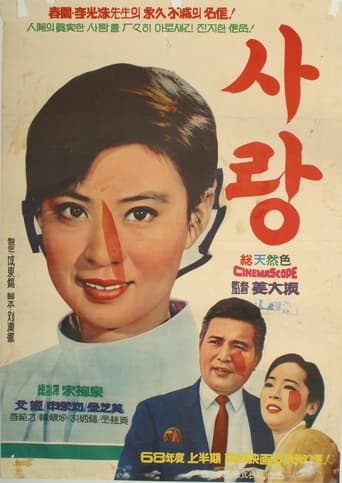
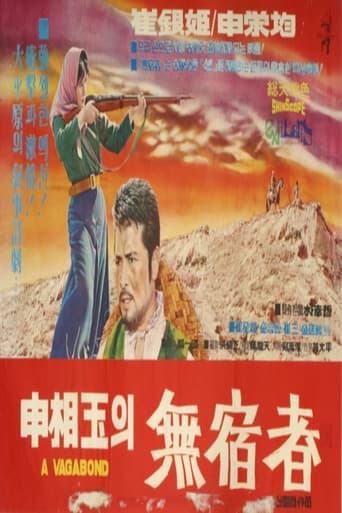
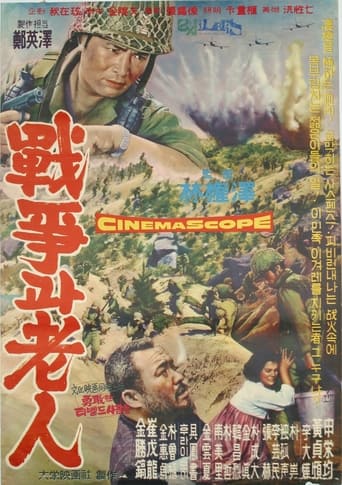
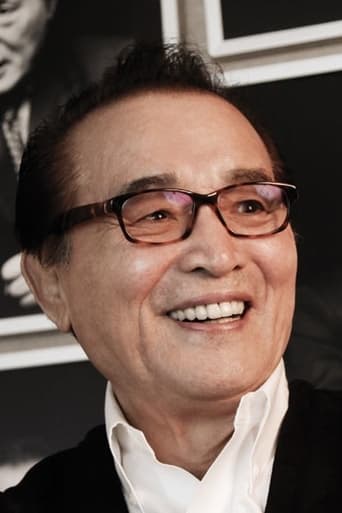
Shin Young-kyun (born November 6, 1928) is a South Korean actor, film producer, and politician. Shin Young-kyun was born in Pyongsan, Hwanghae Province (now part of North Korea) in 1928. When he was 10 years old, Shin went to Seoul. While studying dentistry at Seoul National University, he participated in a drama club where he got to know Park Am, Gil Yok-yun, and Lee Nak-hoon, who later became ac…
Known For
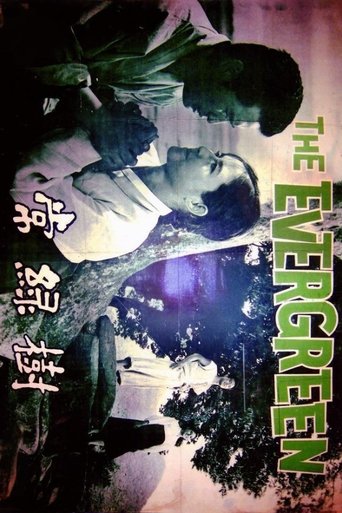 The Evergreen · 1961
The Evergreen
★ 7.41961
MovieDrama
Yeong-shin and Dong-hyuk graduate from college with a cause. They plan to bring education and modernization to farmers living in the rural area of their hometown. When they arrive, the pair immediately get to work, Dong-hyuk builds a village hall and starts aiding the farmers while Yeong-shin tries to gather the children to form a school. However, the villagers at first resent and resist the pair. It is not until one child, Ok-bun, takes the initiative and and learns to read under Yeong-shin’s care that the villages trust the pair and allow their children to be taken from the fields and taught reading, writing and math.
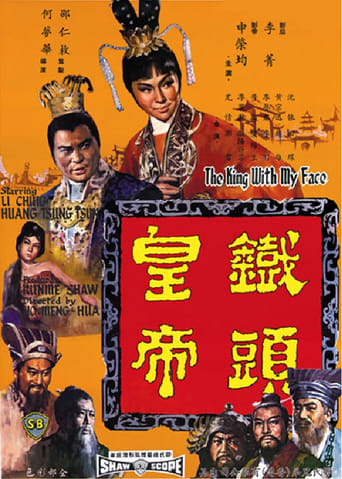 The King with My Face · 1967
The King with My Face
★ 7.51967
MovieDramaAction
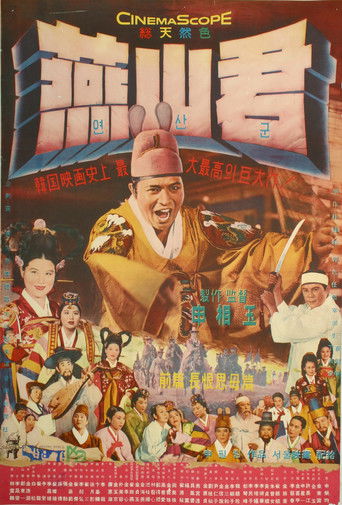
THE KING WITH MY FACE (1967) offers a well-produced Shaw Bros. variation on Alexandre Dumas' famous tale, "The Man in the Iron Mask."
 King Dongmyeong · 1962
King Dongmyeong
★ 8.01962
MovieHistoryAction
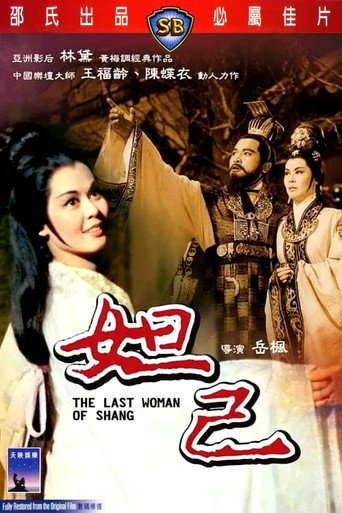 The Last Woman of Shang · 1964
The Last Woman of Shang
★ 7.01964
MovieHistoryDrama
In order to exact revenge upon him, a young woman (Lin Dai) marries the Emperor Chou (Shin Young-kyun), who killed her father.
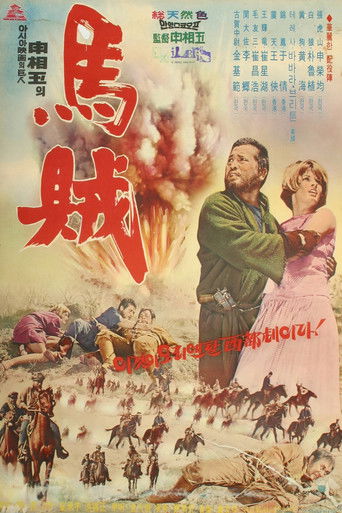 Mounted Bandits · 1967
Mounted Bandits
★ 5.51967
MovieActionAdventure
During the Japanese occupation of Korea, the daughter of a British diplomat is kidnapped by bandits. A Japanese commander offers to free some Korean prisoners of war if the Korean Independence Army rescues the woman.
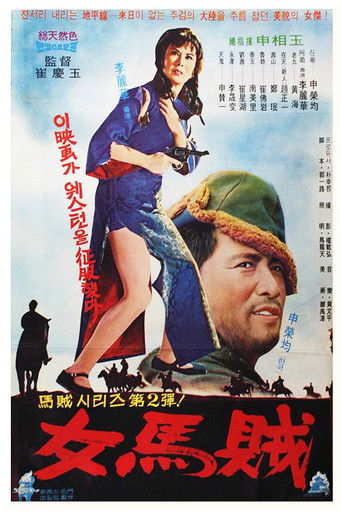 The Partisan Lovers · 1969
The Partisan Lovers
1969
MovieWar
Hong Kong and South Korean co-production war film starring Li Li-Hua.
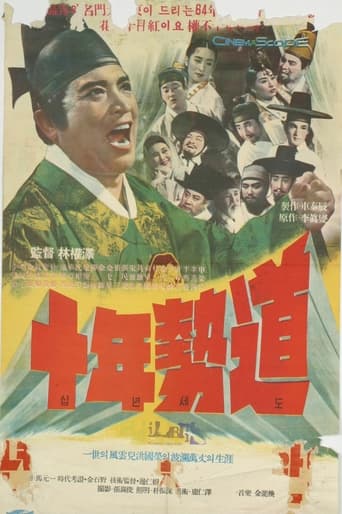 The Power for Ten Years · 1964
The Power for Ten Years
★ 8.01964
MovieHistoryDrama
During the reign of King Yeongjo in the Joseon Dynasty (1302-1910), the villainous retainer party led by Jang Ji-hang gains power after cutting the head off a royalist Hong seong-won. His son Hong Guk-yeong passes a state exam and tries to assist the king in ruling well, but he is also put to death by Jang's false incrimination. But he is called a faithful politician in history.
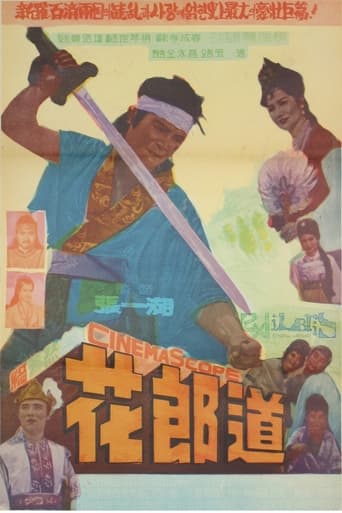 The Way of Hwarang · 1962
The Way of Hwarang
★ 6.81962
MovieHistoryDrama
His parents captured by the Baekje armies, prince Eo-jin infiltrates the enemy castle alone to seek revenge. His plot is ruined when he falls in love with a princess there and is forced to choose between betraying his parents and nation or the woman he loves.
Filmography
Sort
The King with My Face · 1967The King with My Face
★ 7.51967
MovieDramaAction
THE KING WITH MY FACE (1967) offers a well-produced Shaw Bros. variation on Alexandre Dumas' famous tale, "The Man in the Iron Mask."
Emperor Hung Wai/Shing An
The Partisan Lovers · 1969The Partisan Lovers
1969
MovieWar
Hong Kong and South Korean co-production war film starring Li Li-Hua.
Chin Tsai-Lung
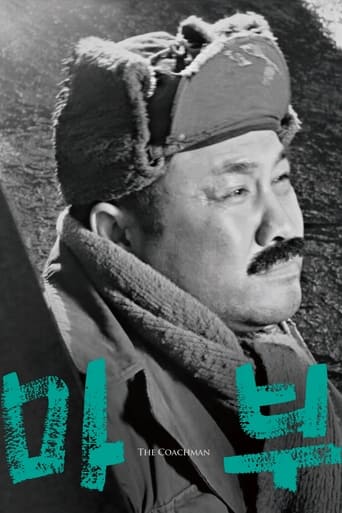
 Five Marines · 1961
Five Marines
★ 5.51961
MovieDramaWar
A brigade of five marines are sent on a dangerous mission to capture an enemy stronghold during the Korean War.
Second Lieutenant Oh Deok-soo
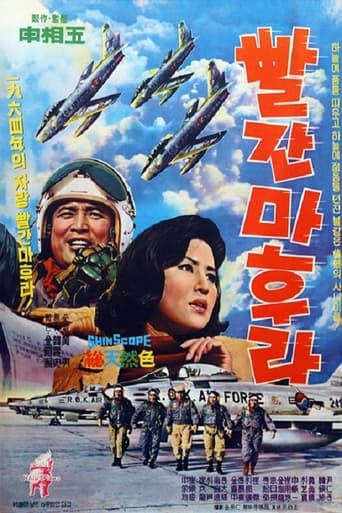 Red Scarf · 1964
Red Scarf
★ 7.51964
MovieActionWar
South Korean Air Force pilots engage in perilous missions against Communist North Koreans during the Korean War.
Na Gwan-joong (Major)
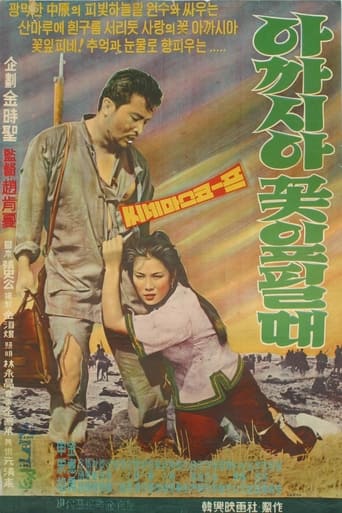 When Acacias Bloom · 1962
When Acacias Bloom
★ 7.31962
MovieDramaRomance
A man assists a woman in danger, but through her actions, she unintentionally causes his death. Everyone in the village knows that she visits his tomb every spring, but no one knows the details of her story.
Wang Seok (independence fighter)