Directing
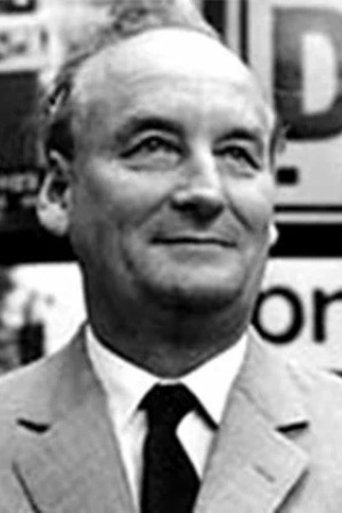
Andrew Thorndike
Born August 30, 1909 · Frankfurt am Main, Germany
Died December 14, 1979 · aged 70
Andrew Thorndike (30 August 1909 – 14 December 1979) was a German documentary film director. He directed 16 films between 1949 and 1977. His 1950 documentary, Der Weg nach oben, won the Best Documentary Film at the Karlovy Vary International Film Festival in 1951. He was a member of the jury at the 5th Moscow International Film Festival. At the 11th Moscow International Film Festival in 1979, he w…
Known For
 Operation Teutonic Sword · 1958
Operation Teutonic Sword
★ 10.01958
MovieDocumentary
An East German documentary by Andrew and Annelie Thorndike investigating NATO General Hans Speidel’s alleged role in the 1934 assassination of Yugoslav King Alexander I and French Foreign Minister Louis Barthou. Drawing on archival footage and documents, it scrutinizes Speidel’s past and postwar career, provoking controversy and a ban in West Germany. The film won First Prize at the 1958 Karlovy Vary International Film Festival and the Heinrich Greif Prize in East Germany.
 You and Many a Comrade · 1956
You and Many a Comrade
★ 8.01956
MovieDocumentaryHistory
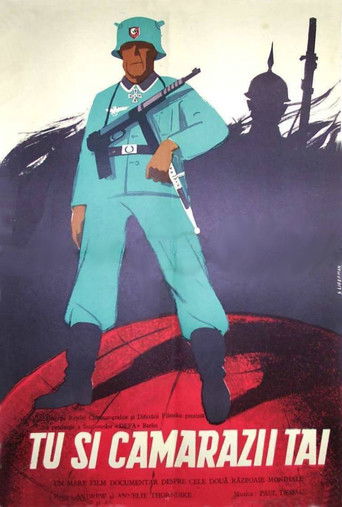
An East German documentary that uses archival footage to trace a direct line from Imperial Germany through the Weimar Republic and the Third Reich to the Federal Republic of West Germany in the 1950s. Intended as a critique of continuity in German politics, the film was banned in West Germany for many years.
 Friendship Triumphs · 1951
Friendship Triumphs
★ 10.01951
MovieDocumentary
Film about the third 'Weltfestspiele der Jugend und Studenten für den Frieden' in East Berlin, 1951. West Germany is represented as a degenerate country which has been occupied by the Americans and is still inclined to fascism. We see the construction of the stadium, the departure and arrival of the delegations, the opening and closing by Enrico Berlinguer, a sports event, the parade of the delegations, a visit to Potsdam, folk dancing, and police violence against youngsters from West Berlin who want to visit East Germany because of the games. The film is interlaced with shots from the Korean War and a parade by NATO-troops in West Germany. Featuring Robert Montgomery, Konrad Adenauer, Wilhelm Pieck, Dwight Eisenhower, Robert Leer and Erich Honecker. The crew comprised no less than 24 cameramen. This project was the first great colour film Ivens co-operated in.
 The Ascending Path · 1950
The Ascending Path
★ 10.01950
MovieDocumentary
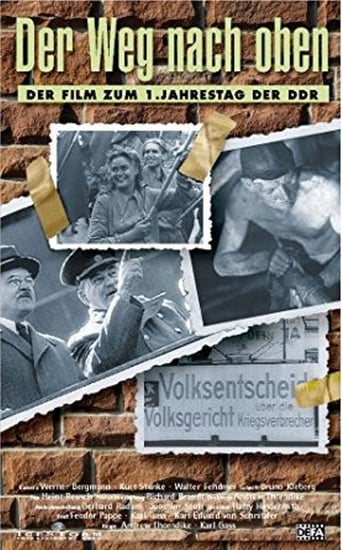
The economic and cultural improvements of the Soviet Occupied Sector are documented with scenes from the years 1945 to 1950. The film deals with the land reform, the founding of the Socialist Unity Party, the expropriation of war criminals, the founding of the GDR and the first Five Year Plan in July 1950. Special attention is dedicated to the setup of the steel industry. All this is shown in contrast to the new Federal Republic of Germany, where unemployment, slums and the West Berlin airlift prevail. The Cold War of those years is reflected in the film as well as a part of the development of post-war Germany.
 The Russian Miracle · 1963
The Russian Miracle
★ 8.01963
MovieDocumentaryHistory
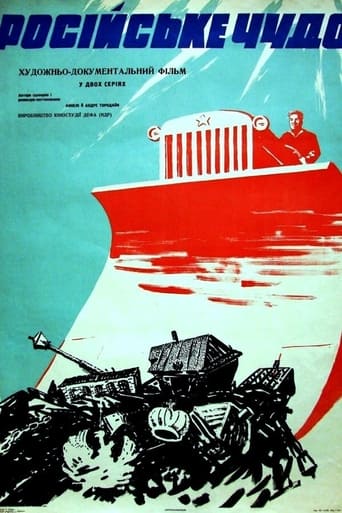
A two-part East German documentary tracing Russia’s transformation from the Tsarist Empire to the Soviet Union, from the 1917 October Revolution to the achievements of the space program. Directed by Andrew Thorndike and Annelie Thorndike, the film assembles extensive archival footage to chart political upheaval, ideological consolidation, and technological ambition in twentieth-century Russia. Produced by DEFA and first broadcast on East German television in 1963.
 The Seven from the Rhine · 1954
The Seven from the Rhine
★ 7.01954
Movie
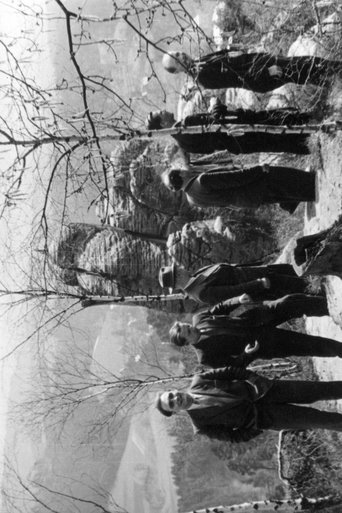
Die Sieben vom Rhein (The Seven from the Rhine) (1954) is an East German documentary directed by Andrew and Annelie Thorndike. The 76-minute film follows seven West German workers from the Ruhr region as they visit a steel factory in Riesa, East Germany, as part of the "Germans at the Same Table" campaign. Through their experiences, the documentary promotes unity and understanding between workers from both sides of the divided Germany. Produced by DEFA Studio für Dokumentarfilme, the film is recognized for its strong political messaging and masterful storytelling.
 Diary of a German Woman · 1969
Diary of a German Woman
★ 8.01969
MovieDocumentary
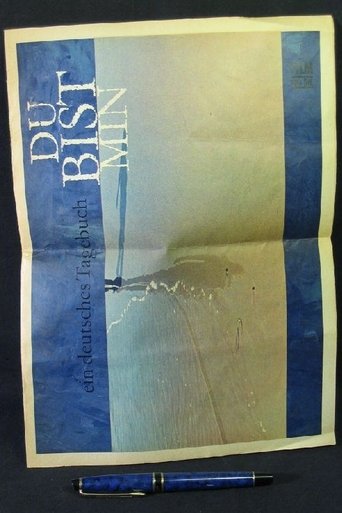
Diary of a German Woman (also known as You are Mine - A German Diary) is the most personal of the Thorndikes’ projects. Based on Annelie’s diary entries, her story was to be the starting point for a kind of all-German ‘Heimatfilm’ that praises the utopian power of the GDR and sharply condemns Federal German wrongs, but finds transcendent beauty on both sides of the wall. Over the course of production, however, the visionary dimension of the project was progressively trimmed down, though it’s still tangible everywhere in the compromised final version. The intensity of its pathos is both oppressive and enchanting; some historical simplifications and ideological twists and bends may be hair-raising, but they still achieve the desired effect.
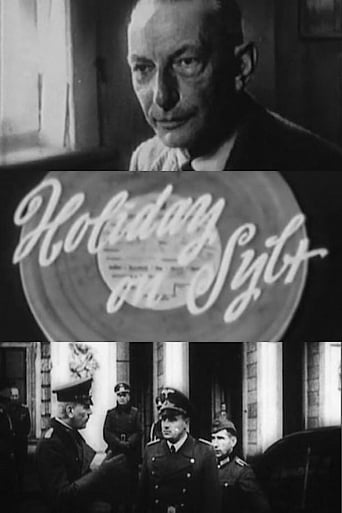 Vacation in Sylt · 1957
Vacation in Sylt
★ 5.41957
MovieDocumentary
The East German documentary uncovers the postwar career of Heinz Reinefarth, the former SS general responsible for atrocities during the Warsaw Uprising who became mayor of Westerland on the island of Sylt. Combining archival footage with contemporary interviews, the film indicts West Germany for allowing former Nazi officials to return to public office.
Filmography
Sort