Directing
Eunice Gutman
Born February 4, 1941 · Rio de Janeiro, Rio de Janeiro, Brazil (age 85)
No biography available.
Known For
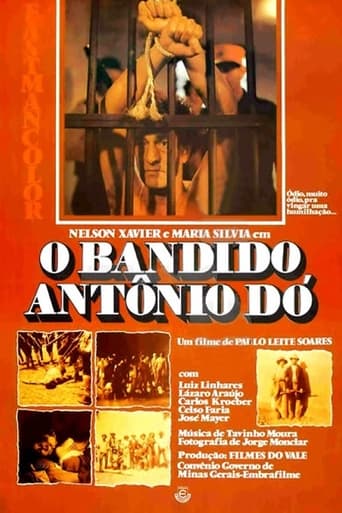 O Bandido Antônio Dó · 1980
O Bandido Antônio Dó
★ 9.01980
MovieCrimeDrama
 A Jangada · 1973
A Jangada
1973
MovieDocumentary
 Corações a Mil · 1983
Corações a Mil
★ 4.31983
MovieMusicComedy
University teacher investigates the life of a famous Brazilian musician, trying to discover the secret of mass communication through his songs and performances, while ultimately falling in love with one of his groupies.
 Intimacy · 1976
Intimacy
★ 4.51976
MovieDrama
Guia de Filmes indicates: "melodrama addressing the massification of large urban centers and the contradictions of consumer society and advertising. It is the first independent production by the firm of Vera Fischer and Perry Sales, and also, the first film directed by Englishman Michael Sarne in Brazil; however, he retired before completion and the film was finished by Perry Salles, marking his directorial debut ".
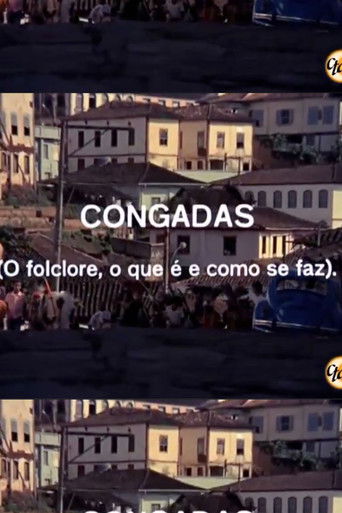 Congadas: O Folclore, o Que é e Como Se Faz · 1974
Congadas: O Folclore, o Que é e Como Se Faz
1974
MovieDocumentary
Folklore and scholarly research: a field study on the congadas of the Festa do Serro, in Minas Gerais. The stages of the congada, divided into three groups: the catupi, the reinado, and the marujos. The cultural symbolism of each of them. The abundance of food during the celebration, representing the richness of the harvest.
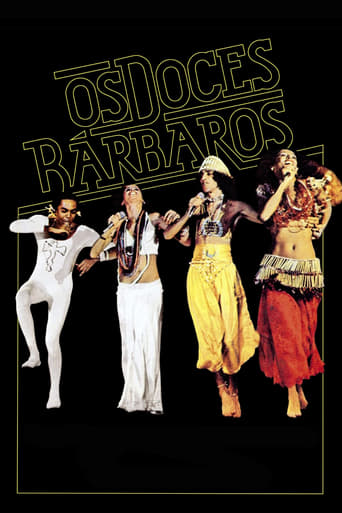 Os Doces Bárbaros · 1977
Os Doces Bárbaros
★ 8.21977
MovieDocumentaryMusic
The film records the commemorative tour of the ten years of the career of the Bahia singers Caetano Veloso, Gilberto Gil, Maria Bethânia and Gal Costa, who formed the group with the name of Doces Bárbaros (Sweet Barbarians), at the suggestion of Bethânia. Conceived to present the shows of the live album that would be released (Doces Bárbaros - Live), the documentary changed of tone when registering the arrest and judgment of Gilberto Gil and of a companion by possession of drugs. Gil was forced to go to a detox clinic, and only went out to participate in the programmed shows.
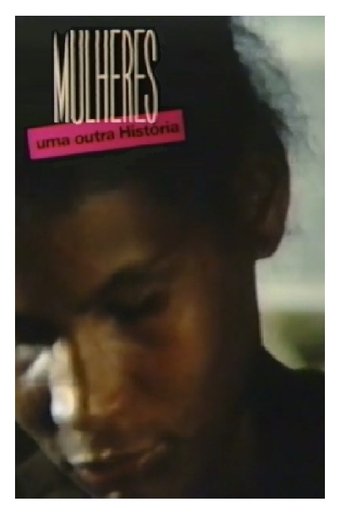 Mulheres: Uma Outra História · 1988
Mulheres: Uma Outra História
★ 8.51988
MovieDocumentary
Filmed as Brazil was transitioning back into a democracy after over two decades of dictatorship, ‘Mulheres: uma outra história’ focuses on various aspects of women's participation in the Brazilian political scene and features interviews with some of the 23 women newly elected to the Constituent Assembly who managed to gain the approval of some of their proposals for the Brazilian Constitution which was being written at the time. The film features appearances from suffragist Carmen Portilho, who reminds viewers about the long history of struggle for women to earn the right to vote in the country, and Jandira Feghali and Benedita da Silva who would become some of the most influential political leaders in the country’s history.
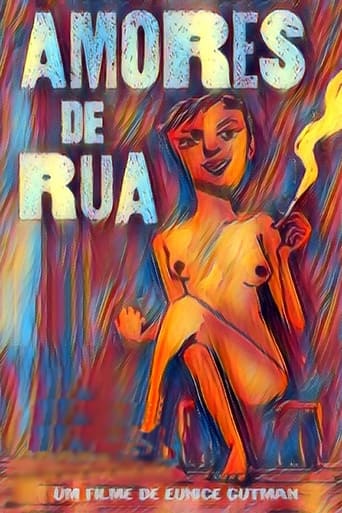 Street Lovers · 1994
Street Lovers
1994
MovieDocumentary
‘Amores de Rua’ questions the attitude towards sexuality espoused by a society in which sex workers fight for the right to citizenship. The film travels through Vila Mimosa, Praça Mauá and erotic nightclubs frequented by all genders, where performers mouth along to camp hits. The film presents a discussion about sexuality based on testimonies from sex workers, transgender women and representatives of associations including Euridice Coelho (then president of the Association of Prostitutes of Rio de Janeiro) and Gabriela Silva Leite (from the organisation Vida Prostituição, Direitos Civis e Saúde).
Filmography
Sort