F
Directing
Florence Lazar
No biography available.
Known For
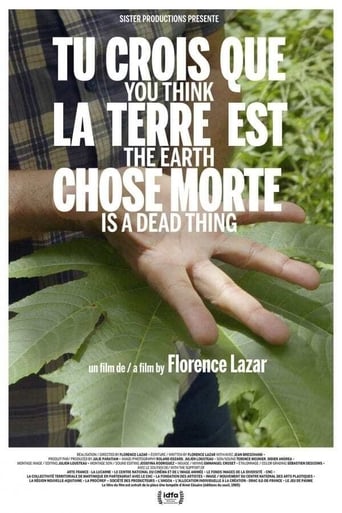 You Think the Earth Is a Dead Thing · 2019
You Think the Earth Is a Dead Thing
★ 7.62019
MovieTV MovieDocumentary
Just one of the many far-reaching impacts of the slave trade on human history is on agriculture and horticulture. While the French plantation owners on the Caribbean island of Martinique had their gardens laid out, Versailles-style, their enslaved workers continued their tradition of using medicinal wild herbs. Nowadays these herbs represent one of several resources through which the people of Martinique counter the health and ecological ravage caused by the use of pesticides on the banana plantations. Farmers are reclaiming uncultivated lands to grow indigenous vegetables, without any industrial pesticides; they fight boldly for simple biodiversity.
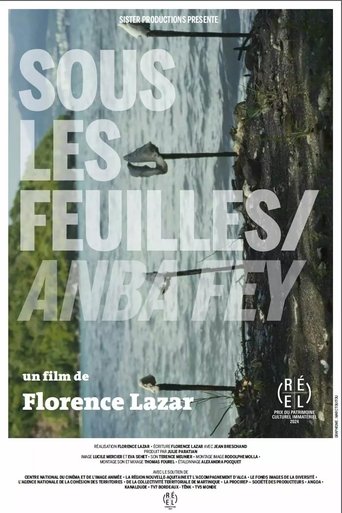 Sous les feuilles · 2024
Sous les feuilles
2024
MovieDocumentary
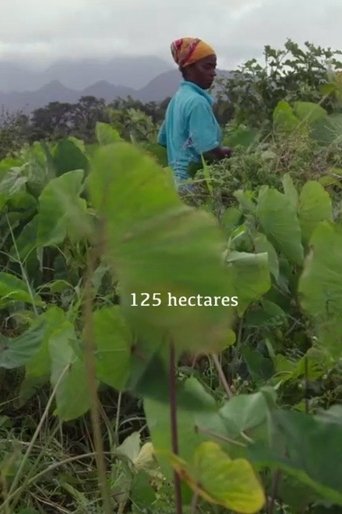 125 hectares · 2019
125 hectares
2019
Movie
One hundred and twenty-five hectares represents the amount of land occupied illicitly since 1983 by a collective of small farmers in Le Morne-Rouge in northern Martinique. As she harvests taro corms in her field, founding member Véronique Monjean retraces the collective’s history and their occupation of the land. In taking possession of what was, at the time, unoccupied property, the collective was seeking, above all, to counter the expansion of real-estate development, which threatened to reduce the area of arable land on the island. The collective favours subsistence agriculture and biodiversity through the rotation of local crops (tubers, root vegetables, etc.), which have the potential to provide for the island’s population in the event of a crisis or natural disaster.
Filmography
Sort