N
Directing
Neven Korda Andrič
No biography available.
Known For
 Menhir · 1999
Menhir
1999
MovieDrama
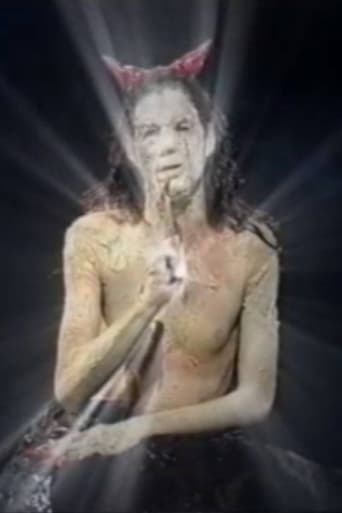
Urbanity is finally erased by mythical rituals, which is determined by the very title of the video film: menhir, an upright stone block from the Neolithic, which was used for sacral rites. Man and woman are Adam and Eve, created in front of us by electronic transformation (morphing) and marked by blood. This element also marks all other elements of the video image: the murder of an individual by the menhir or trinity (politics, church, army), the bodies of the dancer. Blood, murder and death are overcome by only the second basic element: the stone, which is flooded with blood the very next moment. The fight of natural elements is also served by electronic tricks that turn power holders from flesh and blood into stone and wrong.
 Taiga · 1996
Taiga
1996
MovieDocumentary
Tajga was shot after the performance of the same name, performed at the international festival of contemporary arts City of Women in October 1995 in Ljubljana. The viewer enters a dark atmosphere dictated by dramatic vocal-electronic music, passing anthropomorphic and waxy zoomorphic figures, and camera movements. When the author establishes the landscape, she places a wrestler and a drowning woman in it, and with these scenes she further increases the suspension. At the height of the dramaturgy, the set stage collapses. The waxen guard dogs dissolve and the soldiers retreat. Naked female characters appear, announcing the transition to a period of warmth and peace, accompanied by softer music.
 The Bus · 1993
The Bus
1993
MovieDocumentary
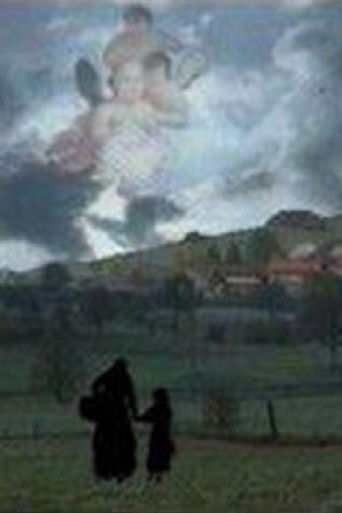
The video starts with a graphic sign from which emerge images, and this procedure points to the fact that any documentary is but an artefact. The narrator searches through documents and reconstructs the life of Lela: in the Middle Ages she was accused of witchcraft; in the 20th century she finds herself in the midst of war, in the future she will leave the planet. Lela's individual destiny is being inscribed into the fate of humanity by means of layering the image; only television shots of the war in former Yugoslavia are presented 'in one layer', clean. The television image has become the only document, the war - the only certainty. Autobus discloses two images of the electronic picture: the one that creates reality, and the other that creates artefacts.
 Hydra · 1993
Hydra
1993
MovieDocumentaryFantasy
In the video works of Ema Kugler, mythology is inscribed in the rituals of everyday life, this time it is the theme of Hydra with many faces. It is illustrated by individual scenes with actors in leather costumes (the author's creations), which restrict their movement and thus already emphasize the separation of man from nature. The last trace of connection - the ritual relationship between man and bull, which is again based on human cruelty to animals - ends with blood, which on a symbolic level also pervades the whole image.
 Slices of Time · 2001
Slices of Time
2001
MovieDocumentary
A wonderful example of a TV documentary that transcends the limitations of the TV screen. “Slices of Time” tells the story of two women born during the First World War who saw the Austro-Hungarian Monarchy collapse and a new state form: Yugoslavia. The two grandmothers of the author Zemira Alajbegović Pečovnik lived in different cultural and religious spheres – one in predominantly Muslim Bosnia, the other in Christian-influenced Slovenia – and yet were connected through their children and grandchildren. Global and personal history, childhood, love and wars intertwine.
 Intolerance · 1991
Intolerance
1991
MovieDrama
Based upon a novel by Lela B. Njatin, an extremely fragmented piece of narrative. The film retains all characteristics of the original text, introducing the fragmentary structure both in the video image and music score. The heroine experiences only fragments of events, she gets involved in meetings which start but never end, she has wishes which are outlined, but never consumed. In the video film, all these fleeting and intolerable moments, transvestism and changes of identities are indicated with layering of visual levels and mixing of different sounds: narrations in off, dialogues, noises, radio broadcast. The delusive and ungraspable images fluctuate between reality and dreams.
 The Sand Collectors · 1995
The Sand Collectors
1995
MovieDocumentary
Video work tells a story of an art collector as remembered by herself in her old age, and as narrated by her friend, a psychoanalyst. Through this narrative the authors deal with the spirit of avant-garde art in the first half of the 20th century. By layering black and white and color images and sounds the work creates a deep and lively emotional space.
 Socialism · 1983
Socialism
1983
MovieDocumentary
Video dissects a sentence taken from a propaganda statement by a party politician. With gradual decostruction author leaves only traces of a word socialism.
Filmography
Sort