Acting
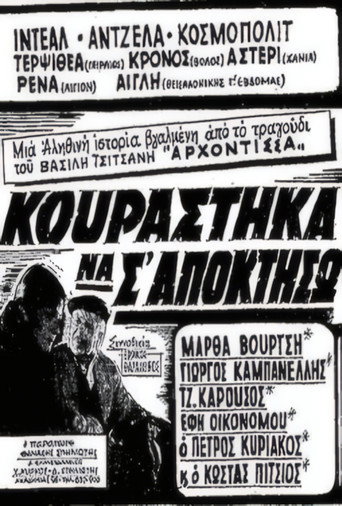
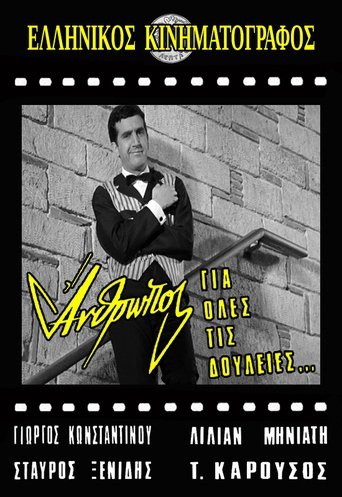
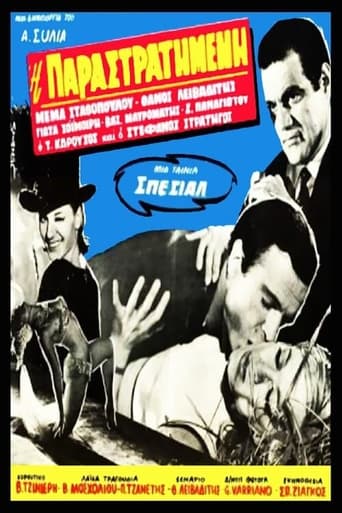
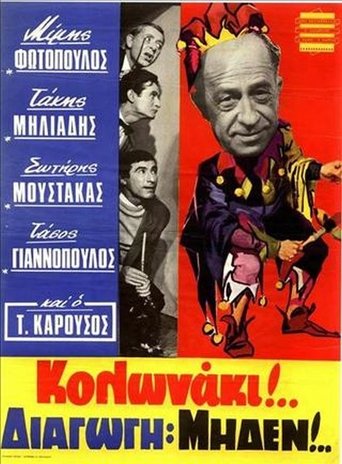
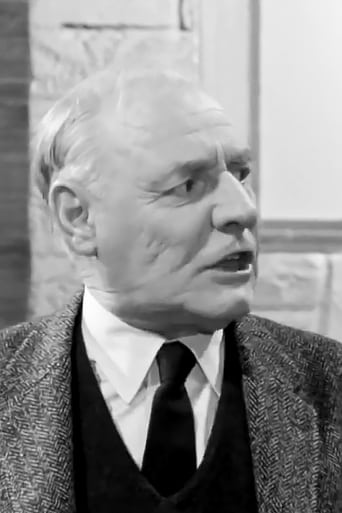
Tzavalas Karousos
Born September 8, 1904 · Lefkada, Greece
Died January 3, 1969 · aged 64
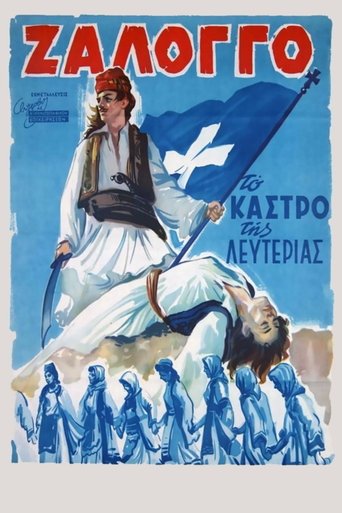
Tzavalas Karousos (Greek: Τζαβαλάς Καρούσος) was born on September 8, 1904 in Lefkada, Greece. He was an actor, known for Zalongo, the Fort of Freedom (1959), Antigone (1961) and Miss Lawyer (1933). He was previously married to Eleftheria Anastasiadi and Eleni Vanikioti. He died on January 3, 1969 in Paris, France.
Known For
 Phaedra · 1962
Phaedra
★ 5.71962
MovieDramaRomance
A modern retelling of the Greek myth of Phaedra. The young and fiery second wife of an extremely wealthy shipping magnate meets her estranged stepson Alexis and sparks immediately fly. Their love seems doomed from the beginning when she convinces him to come to Paris to meet his father.
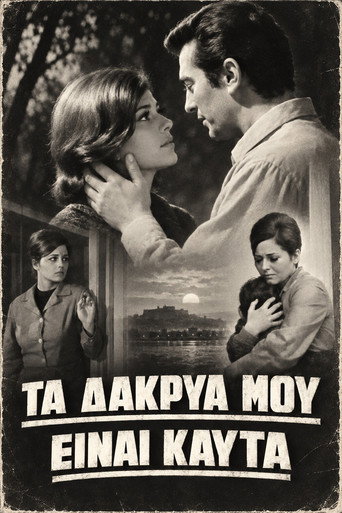 Τα δάκρυά μου είναι καυτά · 1964
Τα δάκρυά μου είναι καυτά
1964
MovieDramaRomance
 The Lake of Sighs · 1959
The Lake of Sighs
★ 5.61959
MovieHistoryDrama
Ioannina, in the beginning of the 19th century. The whole Greece is under Turks. Ioannina is governed by the fierce and vulgar Ali Pasas. Ali’s eldest son, Muchtar, falls in love with a young Greek widow, Frosyni. The problem is, he’s married to the vindictive and cruel Chanife. And the muslim penalty for having an affair with a married man is death…
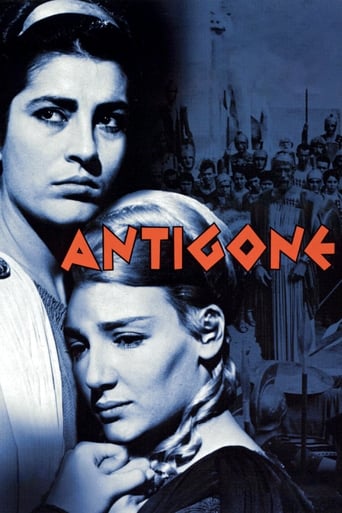 Antigone · 1961
Antigone
★ 7.61961
MovieHistoryDrama
In Thebes in ancient Greece, King Oedipus kills his father and marries his mother Jocasta, having two sons - Eteocles and Polyneices - and two daughters - Ismene and Antigone. King Oedipus dies a beggar in the exile after gouging out his own eye, and Eteocle agrees to reign in Thebes in alternating years with Polynices. However, he refuses to resign after the first year and Polynieces raises an army and attacks Thebes, and they kill each other. The ruler of Thebes Creon decrees that Eleocles should have an honorable burial while the body of the traitor Polyneices should be left on the battlefield to be eaten by the jackals and vultures. However, Antigone, who was betrothed to Creon's surviving son Haemon, defies Creon's orders and buries her brother. When Creon is reported of the attitude of Antigone, he sentences her to be placed in a tomb alive. Antigone hangs herself in the tomb and Haemon tries to kill his father first and then he kills himself with his sword...
 Στη θύελλα της μεγάλης αγάπης · 1972
Στη θύελλα της μεγάλης αγάπης
1972
MovieDrama
 Το χρήμα ήταν βρώμικο · 1967
Το χρήμα ήταν βρώμικο
1967
MovieDramaCrime
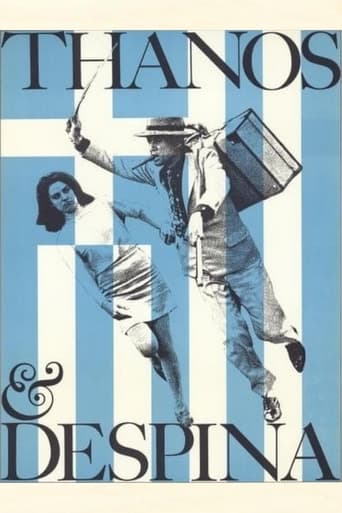 Thanos and Despina · 1967
Thanos and Despina
★ 7.11967
MovieDramaComedy
Katina, an impoverished Greek woman, tries to arrange the marriage of her shepherd son, Thanos, to Despina, the daughter of a wealthy landowner. But Despina’s father, Vlahopoulos refuses to give his blessings.
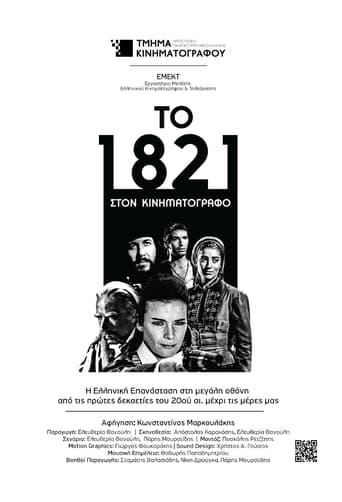 1821 at the Cinema · 2021
1821 at the Cinema
2021
MovieDocumentaryHistory
In 1821, in Cinema, he records the cinematic representations of the Revolution from the first decades of the 20th century. until the present day. Despite the fact that the Revolution of 1821 constitutes the founding act of the modern Greek state, as a subject matter it is underrepresented in national film production. This is one of the points on which the research looks, which simultaneously examines the periods of concentration of films on the subject of the Revolution or, respectively, the periods of its collective silence. The purpose of the documentary is to study the ideological discourse and the cinematic language of the films with the theme of 1821, in order to highlight the function of the cinema as a carrier of Public History and as a factor in shaping the collective historical consciousness.
Filmography
Sort