Directing
Dara Birnbaum
No biography available.
Known For
 I Will Not Make Any More Boring Art · 1987
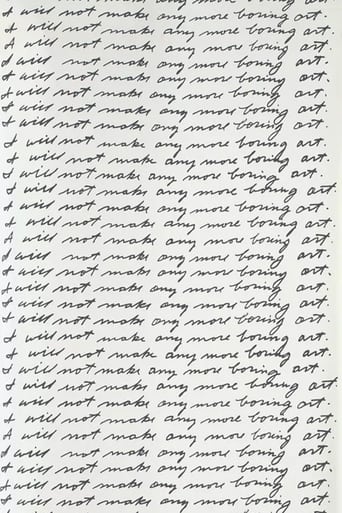
I Will Not Make Any More Boring Art
★ 5.51987
MovieDocumentary
This is an interesting little documentary about the Nova Scotia College of Art and Design, which was apparently one of the global hotbeds of experimental/avant garde art- particularly video art- back in the 70's & 80's. MacGillvary interviews a number of the artists that were formative to the program. Many of whom would go on to become teachers at the school.
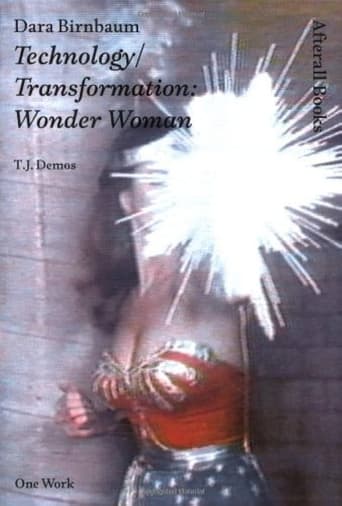 Technology/Transformation: Wonder Woman · 1978
Technology/Transformation: Wonder Woman
★ 5.71978
MovieAction
The video opens with a barrage of explosive imagery along with an audio track of a siren taken from the 1970s TV show Wonder Woman. The following scenes are fast paced repeated shots from Wonder Woman, with several scenes following of actress Lynda Carter as the main character Diana Prince, performing her transformative spin from secretarial role into superhero role. […] The representation of repeated transformations expose the illusion of fixed female identities in media and attempts to show the emergence of a new woman through use of technology. […] The video ends with a scene of repeating explosions that precedes a blue background with white text that scrolls upwards, delivering a transcription of lyrics to the song ‘Wonder Woman Disco'.
 Fire! Hendrix
Fire! Hendrix
Movie
Commissioned by VideoGram International, Ltd., for a videodisc of music by Jimi Hendrix, Fire! uses the stylized visuals and pacing of a music video to critique the representational economies of sexuality and consumerism. Translating the psychedelic fervor of the Hendrix song into a contemporary visual vernacular, Birnbaum similarly recasts the lyrics' meaning. A young woman is the "protagonist" of a fragmented narrative in which Birnbaum re-frames images of American consumerism and commodities — fast food, cars, the exchange of money. Birnbaum calls attention to the woman's relation to the advertising image: she is consumed as she is consuming.
 Remy/Grand Central: Trains and Boats and Planes · 1980
Remy/Grand Central: Trains and Boats and Planes
1980
Movie
Commissioned by Remy Martin for a public exhibition in Grand Central Station in New York, Remy/Grand Central is an advertisement with a deconstructive twist. In a syncopated collage of appropriated footage (including a TV commercial for Sergio Valente jeans) and a young woman drinking Remy on a commuter train platform, Birnbaum calls attention to how mass media advertising uses a woman's body as a vehicle for selling products. In a stylized pastiche that she terms "a snack-en-route with a pretty girl, animated trains, updated Bacharach muzak (Brazilian style), and pouring Remy," Birnbaum turns the tables on the media's use of woman as commodity.
 Liberty: A Dozen or So Views · 1976
Liberty: A Dozen or So Views
1976
MovieDocumentary
In an early work, video artist Dara Birnbaum records a cross section of fellow passengers aboard the Staten Island Ferry while en route to the Statue of Liberty. Asking subjects to use her video camera to capture their own views of the iconic monument, Birnbaum creates an homage to the immigrant experience.
 Kiss the Girls: Make them Cry · 1979
Kiss the Girls: Make them Cry
1979
Movie
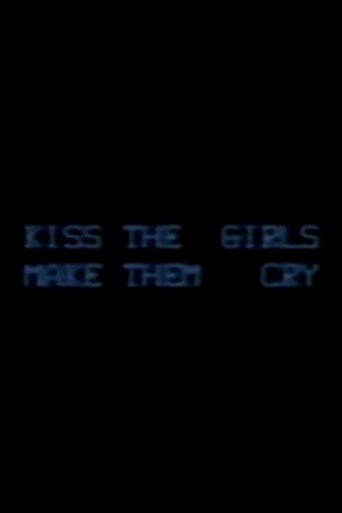
Constructed of footage recorded from the television game show Hollywood Squares. The bulk of the piece is made up from recorded introductory gestures of female celebrities participating in Hollywood Squares, which are synced to then-contemporary Disco songs.
 Local TV News Analysis · 1980
Local TV News Analysis
1980
MovieDocumentary
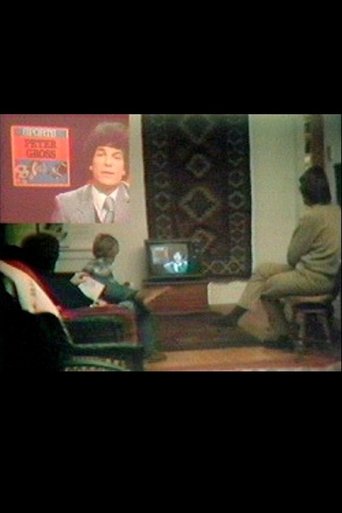
Local TV News Analysis is the document of a collaborative project of Graham and Birnbaum, in which they investigate local television news, both in form and content. Three simultaneous realities of the news are revealed within one composite frame: the receivership of the family at home; the inside control room of the broadcast studio; and the local news itself.
 Damnation of Faust Trilogy · 1987
Damnation of Faust Trilogy
1987
Movie
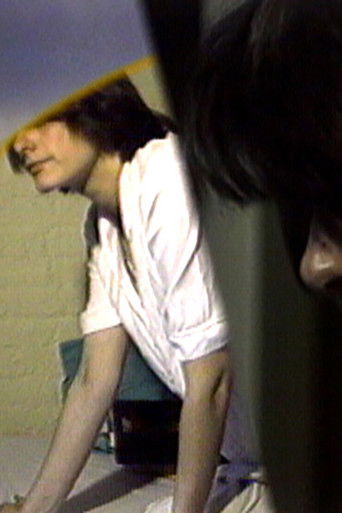
1. Damnation of Faust: Evocation - Using "found" imagery shot in a SoHo playground, the first part of the Damnation of Faust trilogy explores the possible relations between childhood play and a woman looking on from outside. Without dialogue, the gestures of the characters become their primary mode of communication. Visual motifs of pillars and fans, achieved through video wipes, plunge the viewer into the image while building parallels of movement and feeling.
2. Damnation of Faust: Will-o'-the-Wisp (A Deceitful Goal) - The second part of the Faust project centers on the development of Marguerite, the female character in the Faust legend.
3. Evocation of Faust: Charming Landscape - The final work in the Damnation of Faust trilogy, ironically titled Charming Landscape, investigates the way in which the urban landscape is a place "where you lose your identity."
Filmography
Sort