P
Acting
Petra Nettelbeck
Born December 12, 1939 · Hamburg, Germany
Died January 1, 2017 · aged 77
No biography available.
Known For
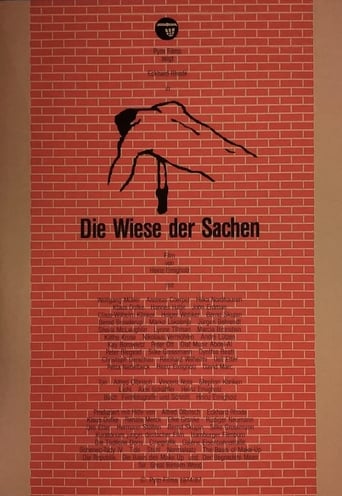 The Meadow of Things · 1988
The Meadow of Things
★ 6.01988
Movie
Clonetown 1974 to 1979: a terrorist defector named Charon sits on the edge of oblivion and commentates on the imminent putrification of an abducted car dealer.
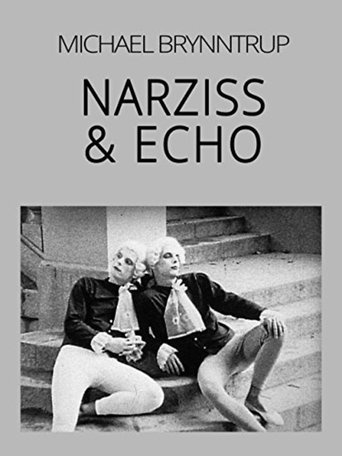 Narcissus and Echo · 1989
Narcissus and Echo
★ 6.01989
Movie
Brynntrup creates his own rococo version of the classical myth of Narcissus and Echo, a story of longing, love, and self-love. Brynntrup comments "A film in the form of a riddle is a special kind of entertainment film whereby the film’s content must be deduced from the film’s formal structure."
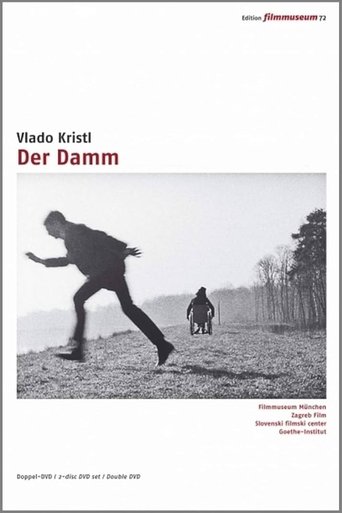 The Dam · 1964
The Dam
★ 7.01964
MovieDrama
In The Dam, although it is an experimental film, Kristl eschews the necessary earnestness in addressing his subject. The manufactured, unambiguously humorless profundity proffered up by other German contemporaries is absent here. Laughter is allowed. Kristl takes the dreadful liberty of tomfoolery, sending up himself, the characters, the action, "tragedy," and everything else, including the audience, that might be held sacred. Within the framework of the action, we recognize a love triangle, one of the simplest of dramatic configurations. Not only the basic idea, but also numerous particulars, both in subject and style, are reminiscent of the films of Roman Polanski, which Kristl doubtless saw and holds in esteem. We meet two men: one is meant to embody the outsider, the artistic, intellectual, individualist. The other looks like the embodiment of the well-to-do man, the burgher, the functionary, the capitalist. The two battle for the favor of an indecisive and domineering girl.
Filmography
Sort