Acting
Roberto Correcher
No biography available.
Known For
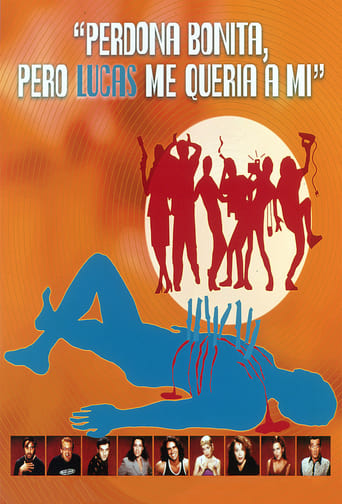 Excuse Me Darling, But Lucas Loved Me · 1997
Excuse Me Darling, But Lucas Loved Me
★ 5.51997
MovieComedy
Three gay roommates must find a fourth to share their flat after blowing their rent on a stripper who won't strip. In walks tall, sexy Lucas, the answer to their current problem and more than one of their dreams. But when they return home one night to find Lucas dead, and each tells his own real or imagined story about his relationship with Lucas, and they discover that they all had reasons to do him in.
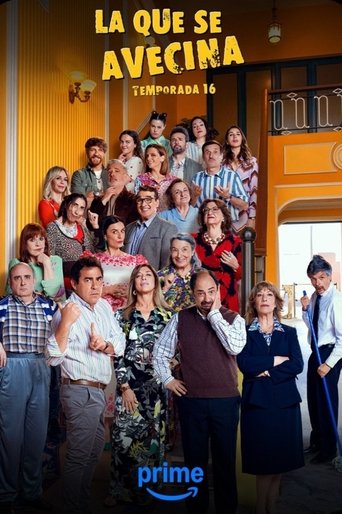 La que se avecina · 2007
La que se avecina
★ 8.12007
SeriesComedy
La que se avecina is a Spanish television comedy created by Alberto Caballero, Laura Caballero and Daniel Deorador. The TV-series focusing around the inhabitants of Mirador de Montepinar, a fictional building located on the outskirts of a big city. Both its storylines and cast are heavily based on Aquí no hay quien viva, which ended when Telecinco bought Miramón Mendi, the series production company.
The episodes debuted on the Telecinco network, and were later rerun by the same network as well as cable/satellite channels FactoríaDeFicción and Paramount Comedy. The series debuted in 22 April 2007 and became popular thanks to its funny characters, witty script, use of catchphrases and capacity to integrate and poke fun at contemporary issues; the program presents a caustic satire of many of the 'types' found in Spanish society.
The name of the show involves wordplay, as "vecina" is the Spanish word for neighbour.
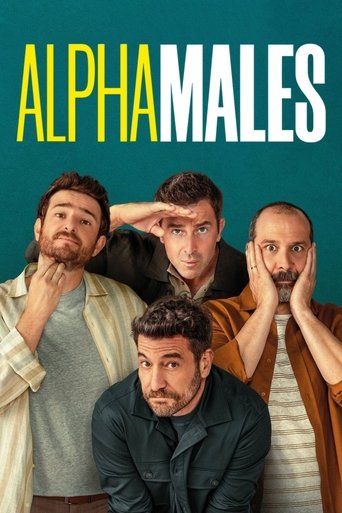 Alpha Males · 2022
Alpha Males
★ 7.62022
SeriesComedy
Pedro, Luis, Raúl and Santi are four friends who feel a bit lost in the new world of empowered women, each trying to adjust in their own haphazard way.
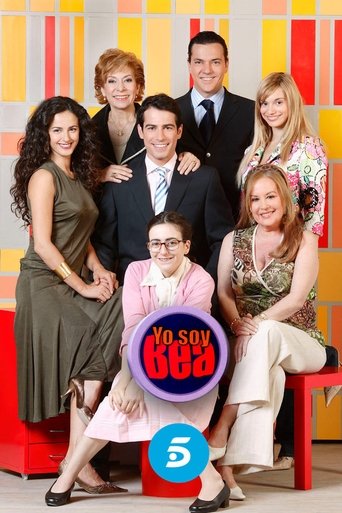 Yo soy Bea · 2006
Yo soy Bea
★ 4.22006
SeriesDramaComedy
Yo soy Bea is a Spanish television comedy-drama series which aired on Telecinco from 10 July 2006 to 16 August 2009.
The series is an adaptation of the popular Colombian telenovela Yo soy Betty, la fea. Ruth Núñez played the title role of Beatriz "Bea" Pérez Pinzón and Alejandro Tous played Álvaro Aguilar, Bea's love interest. Yo soy Bea translates to "I am Bea"; it is a pun, with "Bea" sounding like bella, meaning pretty, and like fea, meaning ugly.
The Spanish adaptation screened weekdays during the daytime and pulled in, on average, over four million viewers. The series' record is a 42,1% share. It was Spain's top rated daytime programme.
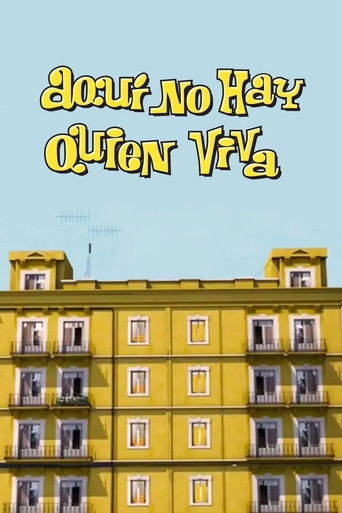 Aquí no hay quien viva · 2003
Aquí no hay quien viva
★ 8.42003
SeriesComedy
A caustic satire of many of the 'types' found in Spanish society.
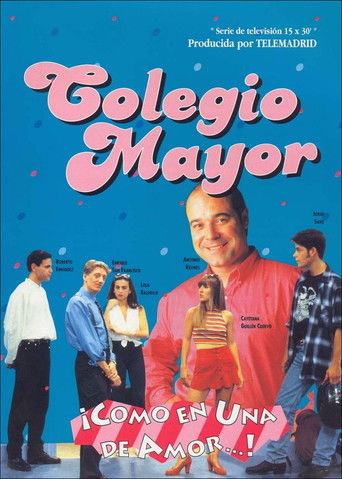 Colegio Mayor · 1994
Colegio Mayor
★ 2.01994
SeriesComedy
 Sabuesos · 2018
Sabuesos
★ 5.02018
SeriesAction & AdventureMystery
Max is a Jack Russell dog genetically modified for criminal purposes so he is able to talk. Running away from the criminals he's working for, he is wounded, then saved by detective-wannabe Alberto, who is fire and house-hunting. They end up staying with Alberto's sister-in-law Marta and her two children. Thanks to them all, Alberto finally manages to be a detective, and he and Max establish their detective agency: Sabuesos.
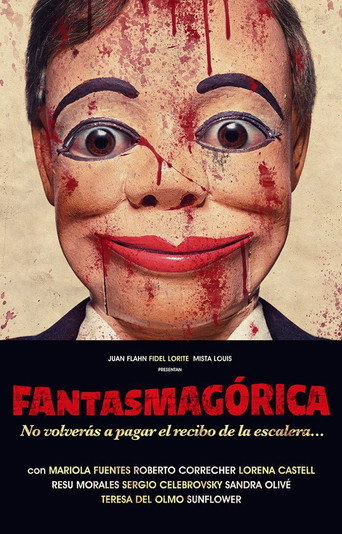 Fantasmagórica · 2014
Fantasmagórica
2014
Series
Filmography
Sort