Directing
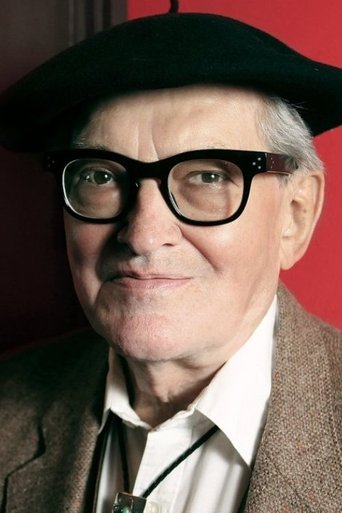
Vojtěch Jasný
Born November 30, 1925 · Kelc, Czechoslovakia [now Czech Republic]
Died November 15, 2019 · aged 93
Vojtěch Jasný (born 30 November 1925 – 15 November 2019) was a Czech director who came to prominence in the sixties. He won a Cannes Special Jury Prize for Až přijde kocour/The Cassandra Cat (1963). He was born in Kelč in Moravia. An active filmmaker in Czechoslovakia throughout the 1950s and 1960s, he was among many artists and intellectuals who left the country after the USSR-led invasion follo…
Known For
 The Great Land of Small · 1987
The Great Land of Small
★ 6.81987
MovieFamilyFantasy
While visiting their grandparents in the Québec countryside, two children enter a fantasy kingdom and are confronted by evil forces.
 Return to Paradise Lost · 1999
Return to Paradise Lost
★ 5.61999
MovieDrama
A professor reunites with an old friend who inspires him to return to Czechoslovakia for the first time since he emigrated years ago.
 When the Cat Comes · 1963
When the Cat Comes
★ 7.01963
MovieComedyFantasy
While old Oliva tells a group of children about his life as a sailor and how he met Diana and her cat with sunglasses, a strange circus arrives in town.
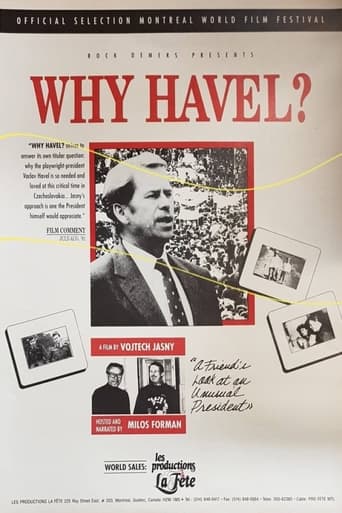 Why Havel? · 1991
Why Havel?
1991
MovieDocumentary
The first part of the block will be dedicated to the monograph Vojtěch Jasný: The Film Poet in Exile (2020) authored by the film historian Jiří Voráč. The monograph is centered on the legendary director’s life and career after his emigration to Western Europe and to the US after 1968, which have so far received little attention. In exile, Jasný established himself as a film director (he authored over thirty cinema and TV films and documentaries), stage director, photographer, and film studies lecturer. The first part will be followed by the screening of Jasný’s documentary Why Havel? co-produced by himself and Miloš Forman in Canada and Czechoslovakia in 1991. As remarkable as this reflection of the paradoxical transformation of a dissident into a president in the carnival-like atmosphere of the euphoric post-revolution period with the first question marks already appearing may be, it did not meet the expectations of the head of state.
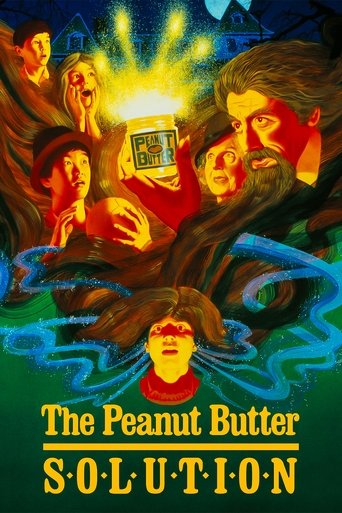 The Peanut Butter Solution · 1985
The Peanut Butter Solution
★ 5.71985
MovieFamilyFantasy
Peanut butter is the secret ingredient for magic potions made by two friendly ghosts. Eleven-year-old Michael loses all of his hair when he gets a fright and uses the potion to get his hair back, but too much peanut butter causes things to get a bit hairy.
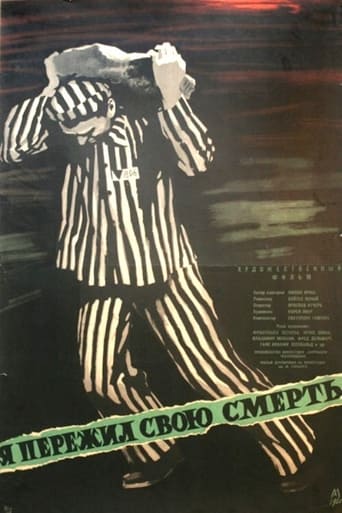 I Survived Certain Death · 1960
I Survived Certain Death
★ 7.01960
MovieDrama
Telling the prisoners of a death camp. Boxer Tony Majer, who got into a concentration camp for a fight with the Gestapo, remembers the murderous work in quarries, on the cruel torture of the Nazis and prison solidarity that helped him survive.
 A Boy And His Car · 1990
A Boy And His Car
1990
MovieDramaFamily
Playing hooky from school, Tony, a student/chorister at the Cathedral of St. John the Divine, spends the afternoon at Central Park's Sailboat lake and retrieves a remote control device left behind by a pair of sailboat racers. Back in the schoolyard, Tony pretends that he has a car to go with the remote control. When another boy tries to take the control from him, it falls on the ground and a red remote-control sports car miraculously appears. The car "dances" to rap music and even brings Tony a can of soda. One day, a sinister-looking man with a briefcase steals the car and flees into the subway. Tony and his classmates pursue the thief to the Wall Street area and ask to inspect the briefcases of passing businessmen. Eluding the students, the crook hails a taxi and hurls the briefcase from the window. Next morning, Tony hears the sound of a sports car during a church service. Returning to its rightful owner, the magical car mysteriously reappears at the end of the processional.
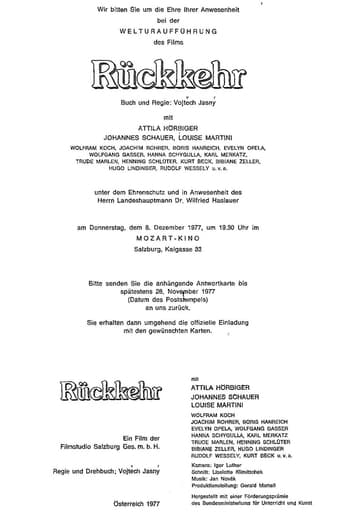 Die Rückkehr des alten Herrn · 1978
Die Rückkehr des alten Herrn
1978
MovieDrama
Rückkehr (Return) consists of two short films inspired by the director's youth: "Die Rückkehr des alten Herrn" (The return of the old lord) is a nostalgic dive into the memories of an old man who entrusts his grandson with stories of his youth. "Mein seliger Onkel" (My blessed uncle) then tells the story of the boy and his adventurous uncle. Both stories take place in a picturesque small town.