Directing
Michel Auder
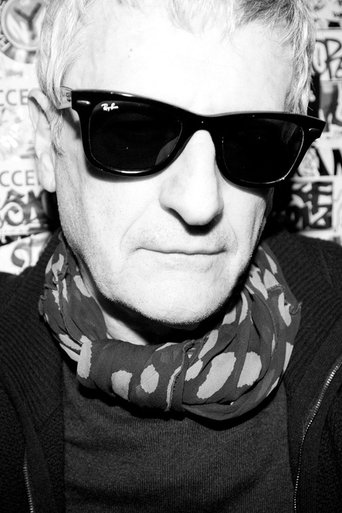
Michel Auder’s films, which span in length from five minutes to multiple hours, are all edited from the thousands of hours of footage the artist has casually shot throughout his life. Early on, Auder made a habit of carrying portable video-recording equipment on a daily basis, and so amassed a biographical reel that frequently captured his fellow artists in the New York art scene, including such p…
Known For
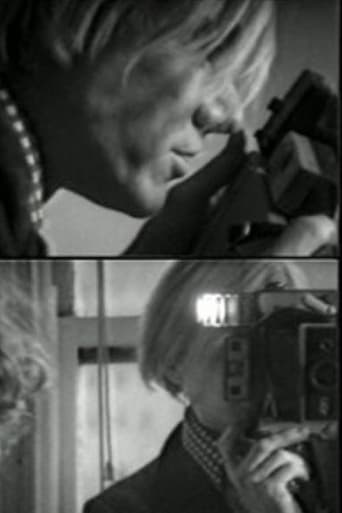 Chelsea Girls with Andy Warhol · 1976
Chelsea Girls with Andy Warhol
★ 8.01976
MovieDocumentary
In 1969 Michel Auder began a series of video diaries that chronicled the art scene in downtown New York. In Chelsea Girls with Andy Warhol, Auder captures revealing moments in Warhol's public and private life: the opening of the 1970 Whitney Museum retrospective, a party held at John Lennon and Yoko Ono's home, a heated telephone conversation between Warhol, Viva and Brigid Berlin, and an illuminating interview conducted with Larry Rivers, the grandfather of Pop Art, following the publication of The Philosophy of Andy Warhol in 1975. The issue of money is a consistent topic of conversation with Viva, who after departing the Factory in 1969 sent Warhol a series of threatening letters demanding money.
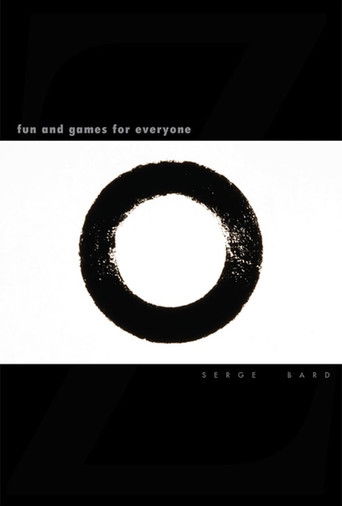 Fun and Games for Everyone · 1969
Fun and Games for Everyone
★ 6.61969
Movie
“FUN AND GAMES (FOR EVERYONE): a pitch black and milky white film shot during one of Olivier Mosset's exhibition openings. A psychedelic game of improvisation joins the Zanzibar group with Salvador Dalí, Barbet Schroeder and Jean Mascolo... the solarized image reminiscent of thick strokes of a paintbrush.” - Philippe Azoury
 Cleopatra · 1970
Cleopatra
★ 5.01970
MovieDocumentary
Cleopatra situates itself in the same relationship to Hollywood as the Warhol/Morrisey films of the period. It corresponds to Joseph Mankiewicz's 1963 Cleopatra, starring Elizabeth Taylor and Richard Burton which Auder's cast watched and used as the starting point for scene by scene improvisation Auder drew his cast from Warhol's ensemble – including not only Viva and Louis Waldon, but also Taylor Mead, Ondine, Andrea Feldman, Gerard Melanga and others.
 Roman Variations · 1991
Roman Variations
1991
Movie
A portrait of Rome that would have made Plutarch proud, Roman Variations was made during a residency at a studio provided by the gallerist Barbara Gladstone.
 My Love · 1978
My Love
1978
Movie
Michel reads a book about love, with pictures of naked ladies flashing by and a song by Laurie Anderson playing in the background.
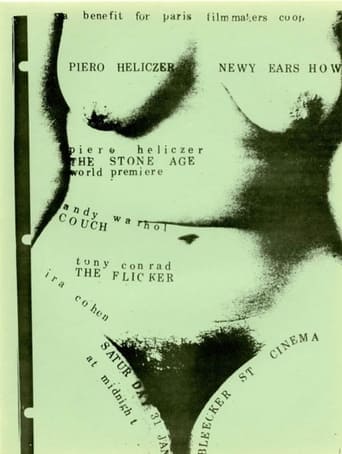 The Stone Age · 1970
The Stone Age
1970
Movie
"The question is, it is either going to be a stoned age or a new Stone Age" - Louis Brigante
 Talking Head · 1981
Talking Head
1981
Movie
In Michel Auder's short video Talking Head, a young girl (presumably his daughter) is occupied with a plastic toy-package of some sort. She talks incessantly about 'a nothing-nothing'; 'a thing that never came back again…. everyone was mad about it and sad about it…but nothing ever happened'. Michel Auder, hiding behind a Yucca (or some such exotic plant), films the girl telling this story. She develops her 'story' circumventing and encompassing this nothing-thing, and she does it in a hypnotizing and repetitive way, like a mantra, using all the permutations possible with a minimum amount of words or facts.
 Keeping Busy · 1969
Keeping Busy
★ 10.01969
MovieDrama
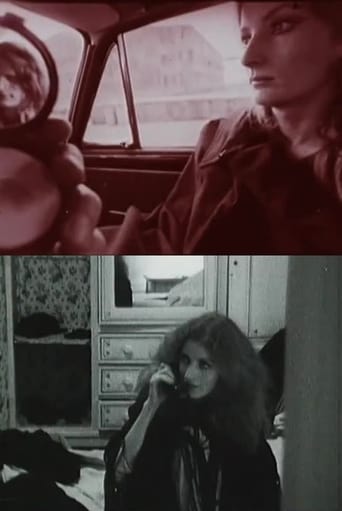
Warhol Superstars Viva and Louis Waldon are the main subjects of Auder’s first film with synched sound, Keeping Busy (1969), which was billed as “a film novel about what they did to keep busy.”
Filmography
Sort