S
Acting
Shojiro Ogasawara
Born July 26, 1902
Died November 10, 1974 · aged 72
No biography available.
Known For
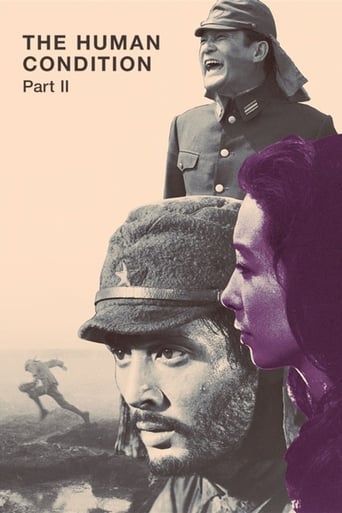 The Human Condition II: Road to Eternity · 1959
The Human Condition II: Road to Eternity
★ 8.21959
MovieWarDrama
Kaji, sent to the Japanese army labeled Red, witnesses cruelties in the army and revolts against the abusive treatment against a fellow recruit. He also sees his friend Shinjô defecting to the Russian border, and he ends in the front to fight a lost battle against the Russian tanks division.
 The Burmese Harp · 1956
The Burmese Harp
★ 7.81956
MovieDramaWar
In Burma during the closing days of WWII, a Japanese soldier separated from his unit disguises himself as a Buddhist monk to escape imprisonment as a POW.
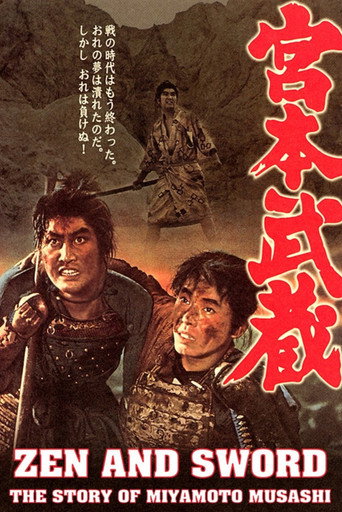 Miyamoto Musashi · 1961
Miyamoto Musashi
★ 7.11961
MovieHistoryAction
In this first episode, we are introduced to Takezo, what Musashi used to be before he became the man of legend. His beginning are not exactly auspicious. He sides with the Toyotomi at Sekigahara, and as a result finds himself on the losing side of the historic battle. He and his friend Matahachi manage to escape the slaughter although the latter is wounded in his leg. They stumble across the young Akemi who makes her living with her mother Oko by robbing corpses of their armor and anything else they can sell. Oko takes it into her head to seduce Matahachi, which she does first by skillfully sucking the gangrene from his blood, and then just by sucking.
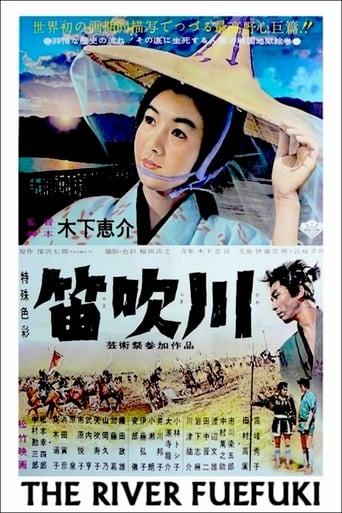 The River Fuefuki · 1960
The River Fuefuki
★ 7.71960
MovieWarDrama
In a time of continuous civil wars ravaging the fields of feudal Japan, the eldest son of a very poor peasant family, living alongside the bridge over the Fuefuki river, decides to serve a warlord to escape his miserable condition, being soon followed by his younger brothers. Although not all the men of the family take this tragic path of death, women of the family will be doomed to endure the pain of loss during the next five generations.
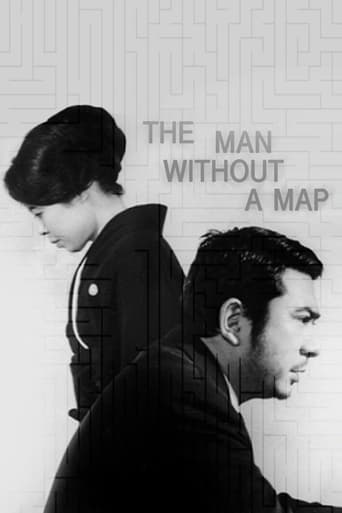 The Man Without a Map · 1968
The Man Without a Map
★ 6.71968
MovieMystery
A private detective is hired to find a missing man by his wife. While his search is unsuccessful, the detective's own life begins to resemble the man for whom he is searching.
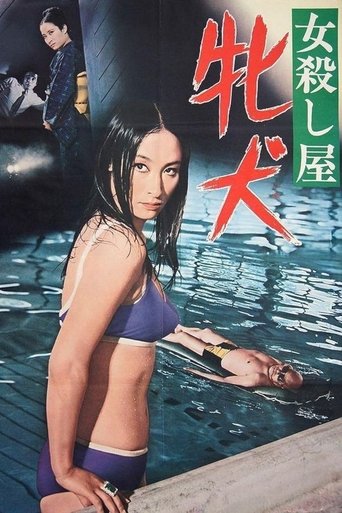 Art of Assassination · 1969
Art of Assassination
★ 7.01969
MovieActionCrime
A beautiful hostess of a small restaurant moonlights as a well-trained assassin tasked with taking the life of a wealthy businessman...
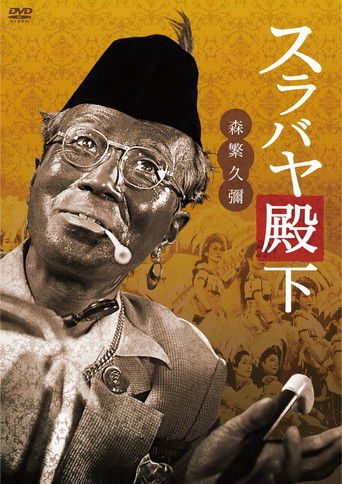
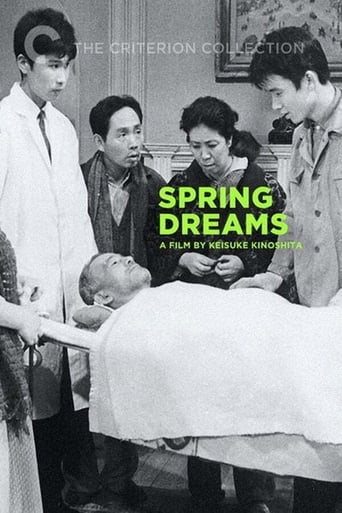 Spring Dreams · 1960
Spring Dreams
★ 6.01960
MovieComedy
When a wealthy, selfish family decides to take care of an elderly hobo who collapsed near their home, they are beset by visits from his numerous friends.
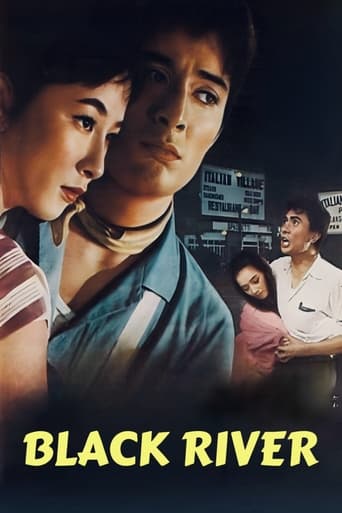 Black River · 1957
Black River
★ 7.01957
MovieCrimeDrama
A love triangle develops between a benevolent student, his innocent girlfriend, and a cruel petty criminal, all as a point of diagnosis of a social disease that had Japan slowly succumbing to lawlessness during the post-War era.
Filmography
Sort
Spring Dreams · 1960Spring Dreams
★ 6.01960
MovieComedy
When a wealthy, selfish family decides to take care of an elderly hobo who collapsed near their home, they are beset by visits from his numerous friends.
Executive Managing Director