Acting
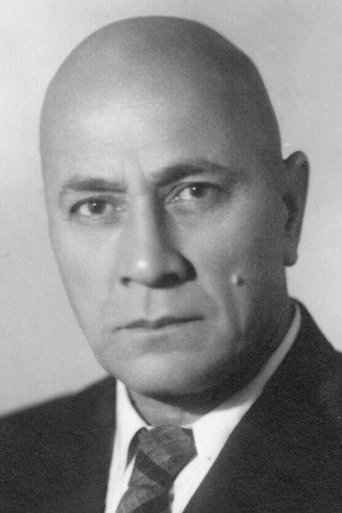
Akaki Khorava
Born April 27, 1895 · Ochkhamuri, Kutaisi Governorate, Russian Empire [now Ajaria, Republic of Georgia]
Died June 23, 1972 · aged 77
Akaki Khorava was a Georgian and Soviet actor, theater director and pedagogue. He appeared in more than fifteen films from 1924 to 1965. He is best known for his performances in The Great Warrior Skanderbeg and Giorgi Saakadze
Known For
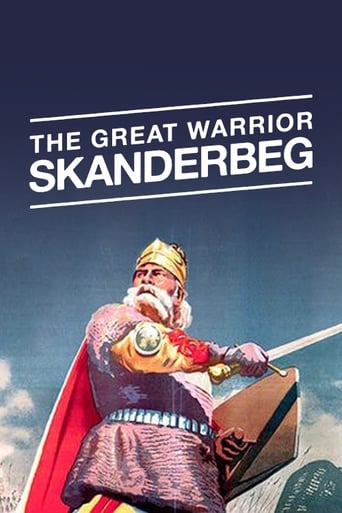 The Great Warrior Skanderbeg · 1953
The Great Warrior Skanderbeg
★ 6.41953
MovieActionHistory
A biography of George Kastriot Skanderbeg widely known as Skanderbeg, a 15th-century Albanian lord who defended his land against the Ottoman Empire for more than two decades.
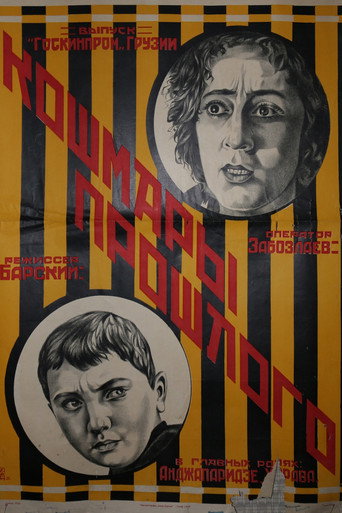
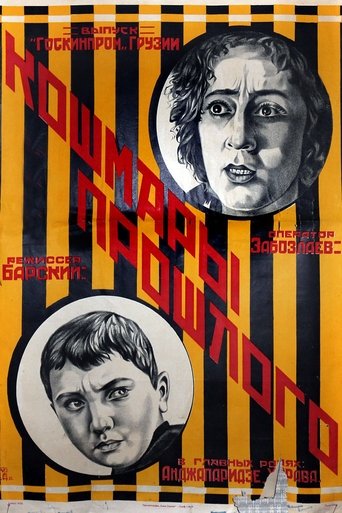 Horrors of the Past · 1925
Horrors of the Past
★ 10.01925
MovieDrama
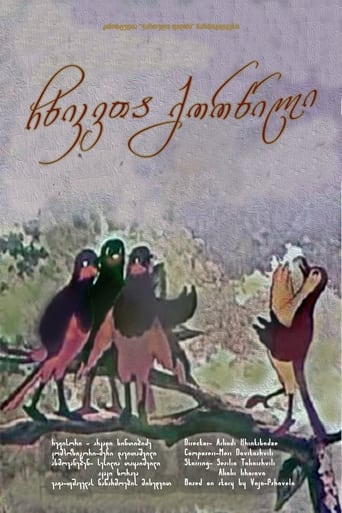 A Wedding of Jays · 1958
A Wedding of Jays
★ 6.91958
MovieAnimation
To revenge brave jay Zakara, evil crown Kvanchala teams with a fox and kidnaps Zakara's bride Ketevan from the wedding. Kvanchala's cruel plan fails as Zakara's friends help him to rescue Ketevan and the fiesta continues.
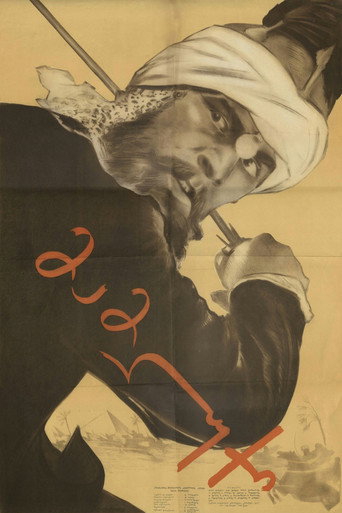 Mameluke · 1958
Mameluke
★ 6.51958
MovieDramaAction
In Arabic, “mameluke” means a white slave, a prisoner. In Egypt, this name was given to prisoners of war who had been sold into slavery from Georgia and other countries of the Caucasus. The action of this drama starts in Georgia in the late 18th century. Two friends are abducted and sold into slavery. One ends up in Egypt, the other - in Venice. Years later, they meet by the ancient pyramids, in the desert where a battle is going on between the armies of Bonaparte and Ali-bey, the ruler of Egypt. In a combat with a French officer, the Mameluke injures him. Falling from his horse onto the sand, the officer exclaims in Georgian: “Vai, nana!” (“Oh, mother!”). And the Mameluke recognizes in him a mate of his childhood games.
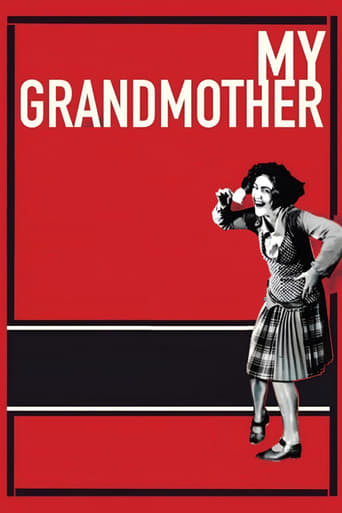 My Grandmother · 1929
My Grandmother
★ 5.61929
MovieComedyDrama
The protagonist, a lazy pen-pusher, gets the sack for his bureaucratic idleness, and learns that the way back into the job market depends on getting a letter of recommendation from a "grandmother"
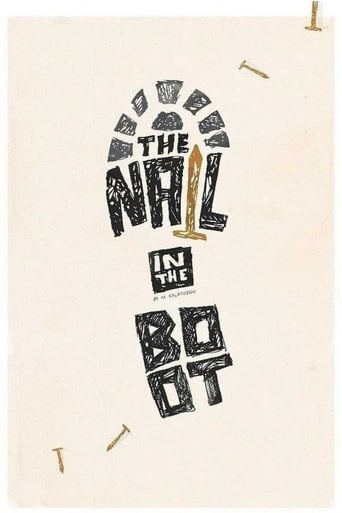 The Nail in the Boot · 1931
The Nail in the Boot
★ 6.61931
MovieDramaWar
Banned in the Soviet Union for its "negative" content and never released, Kalatozov was forced to retreat from filmmaking for seven years because of this film. The film sets out to illustrate the old adage, "For want of a nail, the battle was lost," showing how the inferior quality of something so trivial as a nail in a soldier's boot leads inexorably to the capture of an armored train. Kalatozov had intended to demonstrate the crucial and universal importance of efficiency in Soviet industry, but the government decided that his fable gave a negative impression of the Red Army's capabilities.
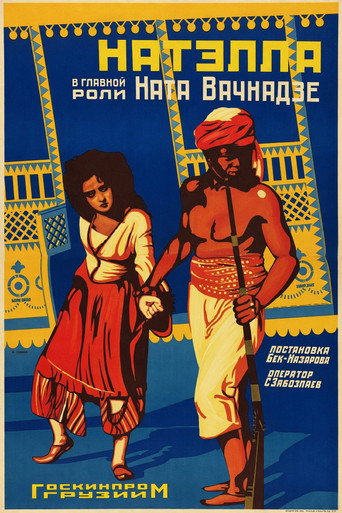 Natela · 1926
Natela
★ 4.81926
MovieRomanceAdventure
Love, adventure, and revolutionary uprising in 19th century Georgia.
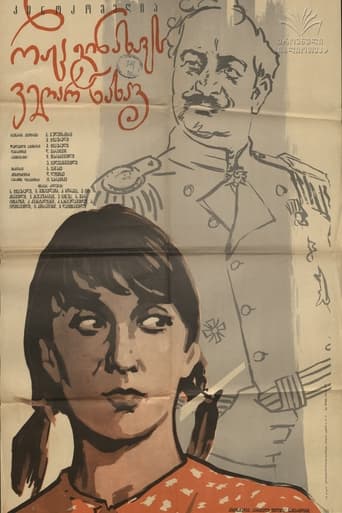 You Can't See What You Have Seen · 1965
You Can't See What You Have Seen
★ 5.51965
MovieRomanceComedy
The young craftsman Gogia and the village girl Tasia fall in love with each other. Arriving in Tasia's village accompanied by a wedding procession, Gogia Can't find his bride anymore, Turns out by the order of Tasia's godmother, the duke's wife, she was taken to the duke's house as a servant. The elderly duke liked Tasia and decided to marry her. Gogia with the help of his friends, Karachokheli, tries to get his bride back.
Filmography
Sort