Directing
Katia Kameli
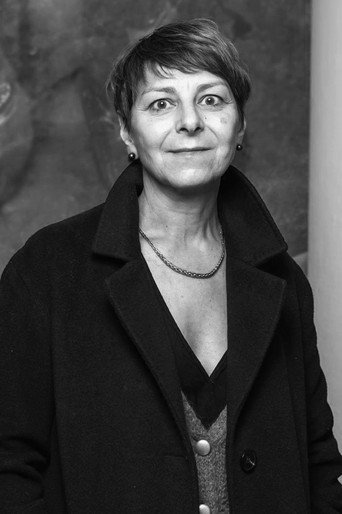
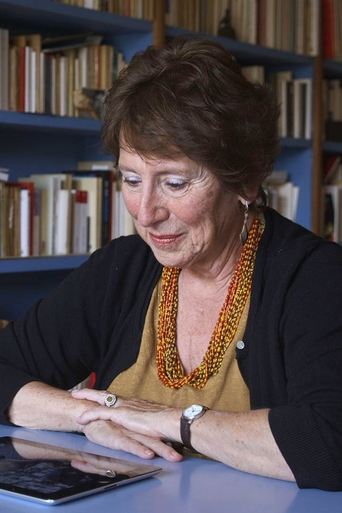
Katia Kameli (Arabic: كاتيا كاميلي), born in 1973 in Clermont-Ferrand (France), is a French-Algerian artist and filmmaker. The practice of Katia Kameli, a French-Algerian artist and filmmaker, is rooted in a research-based approach: historical and cultural facts fuel the diverse forms of her visual and poetic imagination. She views herself as a "translator." Translation is not merely a passage be…
Known For
 Dissolution · 2009
Dissolution
2009
MovieDocumentary
This video takes a particular viewpoint, with the camera placed behind a zone of blur. Slowly, we experience the perception of an expanded time. An expectation is created and resolved in the observation of the passage of boats that dissolve into the nebulousness, disappearing from our sight like a mirage.
 Les Baies d'Alger · 2006
Les Baies d'Alger
★ 10.02006
MovieDocumentary
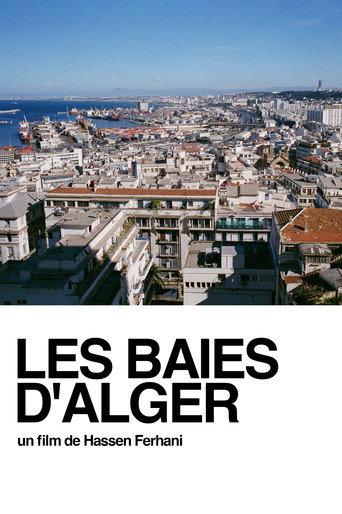
In an extended panoramic view—an "audioscopy" of Algiers—the camera’s eye scrutinizes various buildings and city-center neighborhoods with an intimate approach. "I want to show Algerian society’s openness to the world and to modern means... as well as its contradictions regarding tradition." One might think that filming is merely about capturing images; yet for Hassen Ferhani, filming is first and foremost about welcoming presences—allowing the world to emerge with all its density, fragility, and silences. He does not frame to confine, but to liberate; he frames to offer a space where people, gestures, and voices can find their true rhythm. This kind of cinema dictates nothing: it stands back—attentive and open—allowing itself to be surprised by the most unpredictable aspects of reality, and it is in this act of letting go that beauty is born.
 Dislocation · 2009
Dislocation
2009
Movie
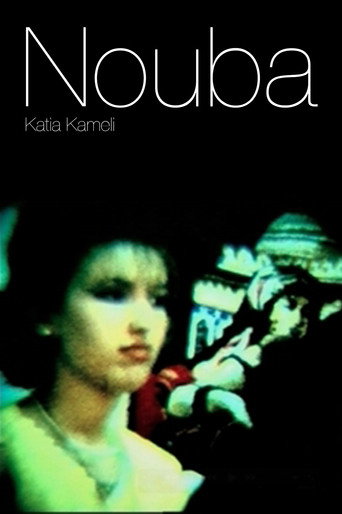 Nouba · 2000
Nouba
★ 5.02000
Movie
Nouba plays on the aesthetics of video clips and evokes a remote and exotic reality, further displaced by an unterritorialized music. The word "nouba" is borrowed from Maghrebi Arabic "nuba", which in classical Arabic is sais "nawba" meaning «in turns» or «to succeed each other». This word has integrated the French language through Algeria’s colonial army describing the Algerian infantrymen’s music before shifting again to become a synonym of partying. This title is also a hommage to Assi Djebar’s film La Nouba du Mont-Chenoua (1977), the first algerian feature film made by a female director which key protagonist is an emancipated Algerian woman.
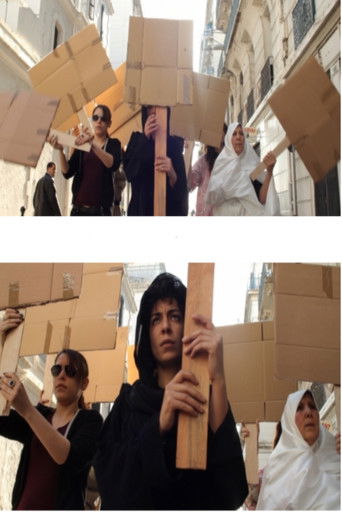
 The Algerian Novel, chapter 2 · 2017
The Algerian Novel, chapter 2
2017
Movie
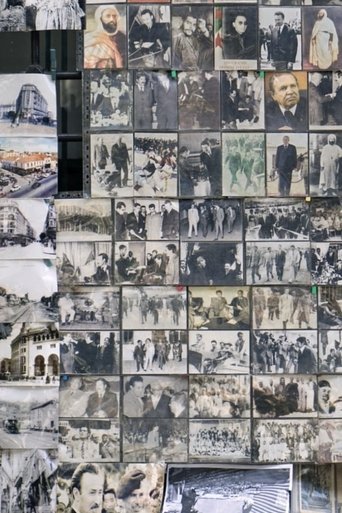
In Algerian Novel - chapter 2, French philosopher Marie-José Mondzain reinterprets Algerian Novel - chapter 1. The film’s nested structure is a way to keep images and their symbolic load at a distance. It opens a new space of negotiation wherein new associations can be shaped. They function as a starting point for the writing of a history in movement and produce narratives which then become touchstones for a new kind of historicisation. In the second part of this second chapter, Mondzain analyses another visual material: that of the rushes recorded during the shooting of the first chapter. These rushes could have been left invisible, or rather 'unseen'- the same way some of the Algerian’s historical figures are not represented on the pictures of the kiosk. In her book, L’image peut-elle tuer? [Can the image kill?], Mondzain defines the 'unseen' as what is waiting for meaning in the community debate. The unseen would then be a sort of unexploited archive, waiting for the gaze to expand.
 Untitled · 2011
Untitled
2011
Movie
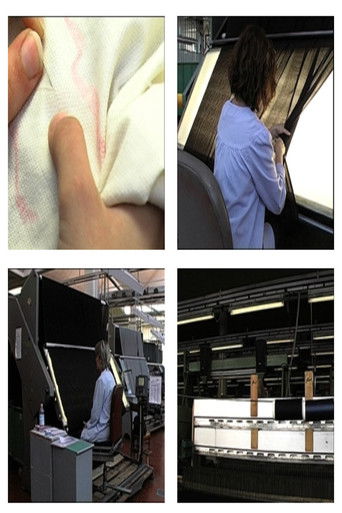 Chill out Suit(e) · 2002
Chill out Suit(e)
2002
Movie
 Futur · 2014
Futur
2014
Movie
Filmography
Sort
Untitled · 2011Untitled
2011
Movie
Director
Futur · 2014Futur
2014
Movie
Director