Directing
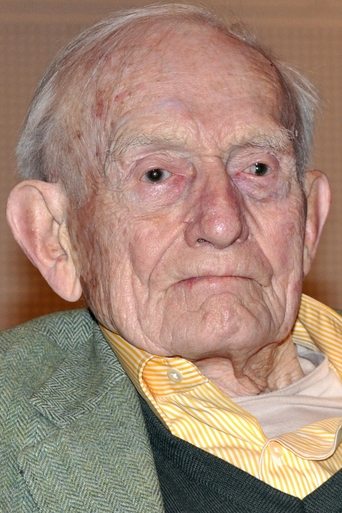
Richard Leacock
Born July 18, 1921 · London, UK
Died March 23, 2011 · aged 89
Richard Leacock (July 18, 1921 – March 15, 2011) was a pioneering American-born filmmaker, widely regarded as one of the founding figures of the cinéma vérité movement. He was a key influence on the development of observational documentary filmmaking, known for his innovative use of handheld cameras and his emphasis on capturing spontaneous, real-time events. Leacock's most notable works include P…
Known For
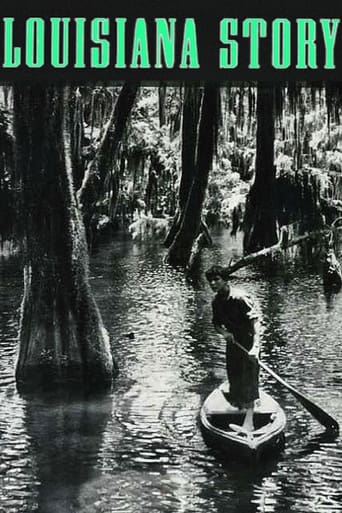 Louisiana Story · 1948
Louisiana Story
★ 6.31948
MovieAdventureDrama
Cajun boy Alexander Napoleon Ulysses LaTour lives with his family and his beloved pet raccoon in the Louisiana bayou. When his father allows an oil barge to drill on their land, the boy questions the process and its safety.
 Working Girls · 1987
Working Girls
★ 6.21987
MovieDrama
A lesbian college graduate, trying to bankroll her own photography business, works as a high-priced New York City escort.
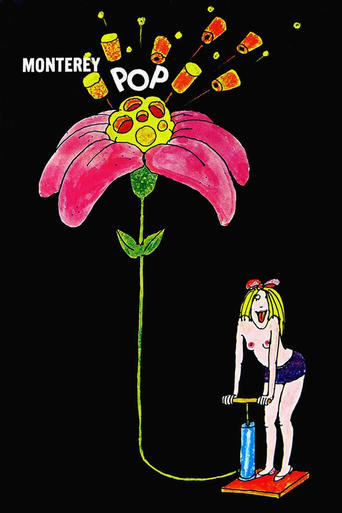 Monterey Pop · 1968
Monterey Pop
★ 7.41968
MovieMusicDocumentary
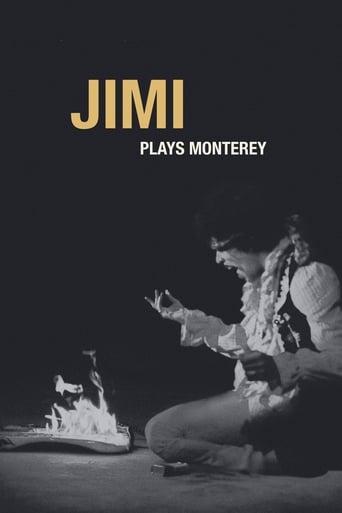
Featuring performances by popular artists of the 1960s, this concert film highlights the music of the 1967 California festival. Although not all musicians who performed at the Monterey Pop Festival are on film, some of the notable acts include the Mamas and the Papas, Simon & Garfunkel, Jefferson Airplane, the Who, Otis Redding, and the Jimi Hendrix Experience. Hendrix's post-performance antics -- lighting a guitar on fire, breaking it and tossing a part into the audience -- are captured.
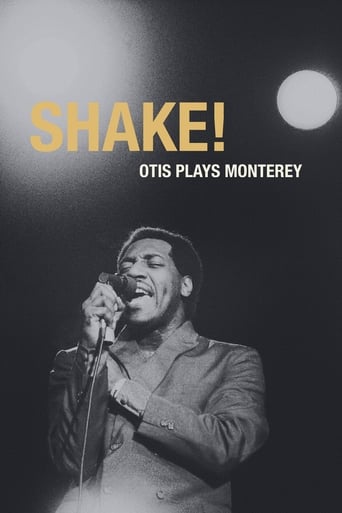 Shake! Otis at Monterey · 1987
Shake! Otis at Monterey
★ 7.41987
MovieDocumentaryMusic
Renowned documentary filmmaker D.A. Pennebaker captures Otis Redding in his ascendancy, singing at the historic Monterey International Pop Festival in June 1967. Comedian Tom Smothers introduces Redding to a crowd that is leaving -- until Redding grabs them with his charged rendition of "Shake." Redding's performance also includes "Respect" (which he wrote), "I've Been Loving You Too Long," "Satisfaction," and "Try a Little Tenderness." Tragically, Redding died in a plane crash six months later. An innovative filmmaker who started in the 1950s making experimental films, Pennebaker garnered an Oscar nomination for Best Documentary Feature in 1993 for The War Room, his behind-the-scenes look at Bill Clinton's 1992 campaign. His other subjects have included Norman Mailer, Bob Dylan, and David Bowie.
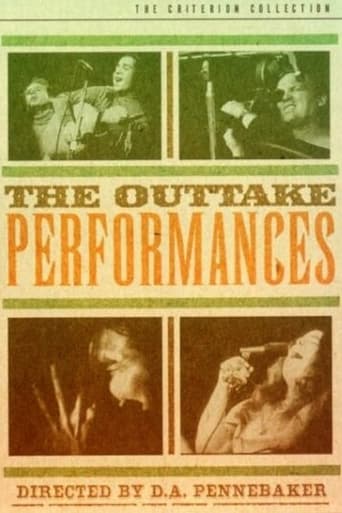 Monterey Pop - The Outtake Performances · 2002
Monterey Pop - The Outtake Performances
★ 7.52002
MovieMusicDocumentary
Additional musical performances from the 1967 Monterey Pop Festival in California, shot for the film Monterey Pop (1968) and released on the Criterion Blu-ray The Complete Monterey Pop Festival.
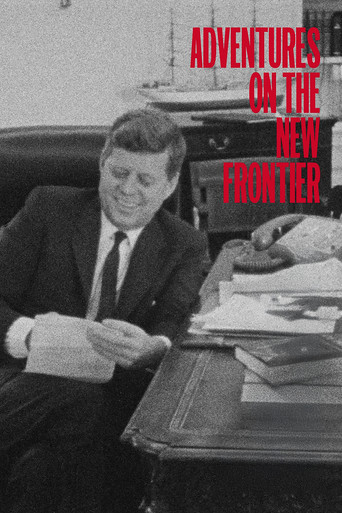 Adventures on the New Frontier · 1961
Adventures on the New Frontier
★ 5.51961
MovieDocumentaryTV Movie
A look at the daily business of U.S. President John F. Kennedy, with a focus on some of the political issues he faces six weeks into his term. Preserved by the Academy Film Archive in 2007.
 Crisis: Behind a Presidential Commitment · 1963
Crisis: Behind a Presidential Commitment
★ 6.91963
MovieDocumentary
During a two-day period before and after the University of Alabama integration crisis, the film uses five camera crews to follow President John F. Kennedy, attorney general Robert F. Kennedy, Alabama governor George Wallace, deputy attorney general Nicholas Katzenbach and the students Vivian Malone and James Hood. As Wallace has promised to personally block the two black students from enrolling in the university, the JFK administration discusses the best way to react to it, without rousing the crowd or making Wallace a martyr for the segregationist cause. Preserved by the Academy Film Archive in partnership with The Film Foundation in 1999.
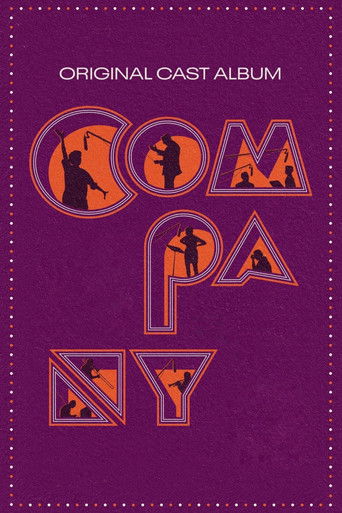 Original Cast Album: Company · 1970
Original Cast Album: Company
★ 7.21970
MovieDocumentaryMusic
In 1970, right after the triumphant premiere of Stephen Sondheim’s groundbreaking concept musical Company, the renowned composer and lyricist, his director Harold Prince, the show’s stars, and a large pit orchestra all went into a Manhattan recording studio as part of a time-honored Broadway tradition: the making of the original cast album. What ensued was a marathon session in which all involved pushed themselves to the limit.
Filmography
Sort

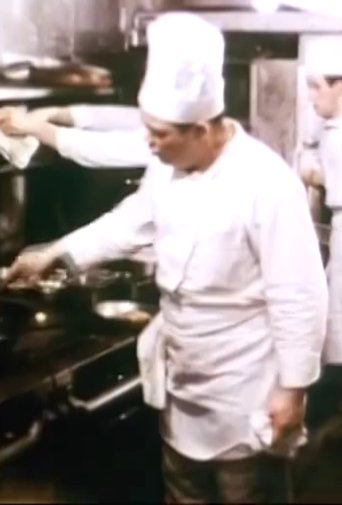 French Lunch · 1968
French Lunch
★ 9.01968
MovieDocumentary
Documentary look behind the scenes of La Caravelle, an acclaimed French restaurant in New York City.
Director of Photography
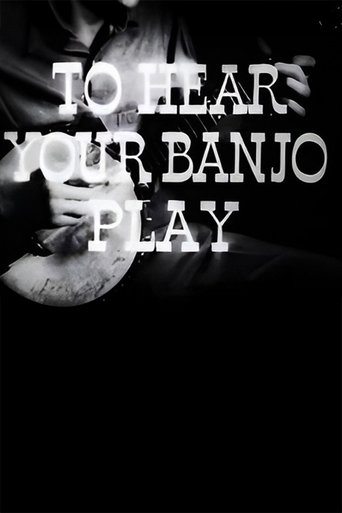 To Hear Your Banjo Play · 1947
To Hear Your Banjo Play
★ 4.51947
MovieDocumentaryMusic
A short film about Pete Seeger and the birth of banjo music throughout the Southern United States.
Director of Photography