S
Acting
Shin Takemura
No biography available.
Known For
 No Regrets for Our Youth · 1946
No Regrets for Our Youth
★ 6.91946
MovieDrama
After her anti-fascist professor father is dismissed, Yukie navigates love, political repression, and wartime upheaval—ultimately forging her own path in pre- and post-WWII Japan.
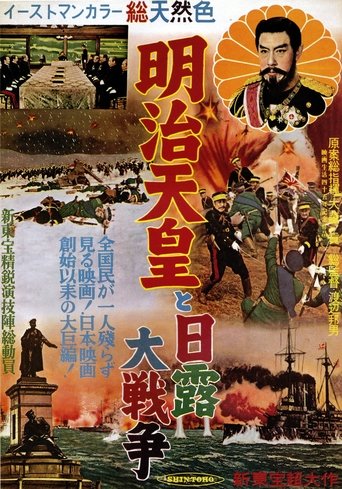 Emperor Meiji and the Great Russo-Japanese War · 1957
Emperor Meiji and the Great Russo-Japanese War
★ 8.01957
MovieHistoryWar
Meiji Tenno portrays the buildup to the Russo-Japan War. In addition to showing the political events that led to war, it also shows the era from the story of a farm family in rural Japan that sends their son off to war. As such, it could be considered an anti-war movie, showing how, while war is devised by governments, the people do not really understand what war is, and its combatants often do not know what they are fighting for.
 Where's Paradise? · 1956
Where's Paradise?
★ 8.01956
MovieDrama
Japanese drama.
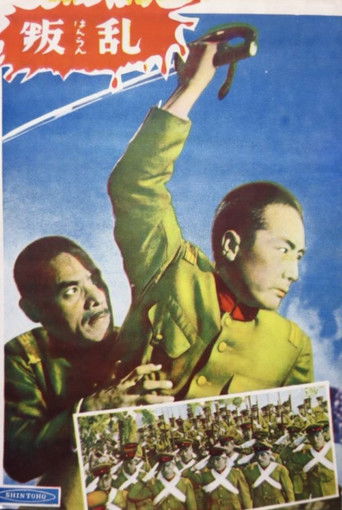 Hanran · 1954
Hanran
1954
MovieDramaHistory
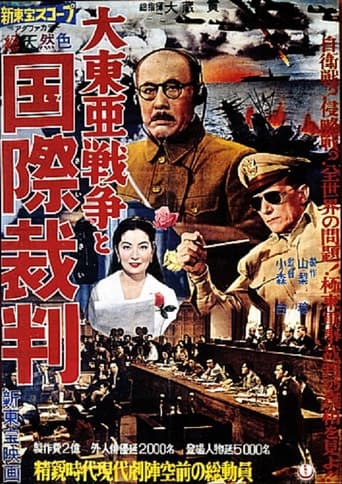 The Pacific War and the International Military Tribunal · 1959
The Pacific War and the International Military Tribunal
★ 8.01959
MovieWar
In 1941, overpopulated Japan faces an economic boycott and its armed forces push further to the south. And despite negotiations between Japan and the U. S. A. war is declared with the attack on Pearl Harbour. Victories follow for Japan on land and sea and her forces push forward to the borders of India. But gradually the tide turns in favour of the Allies and after the atom bombings of Hiroshima and Nagasaki, Japan is compelled to accept the Potsdam Declaration and by the order of the Emperor agrees to unconditional surrender. Under the supervision of the occupation forces the International Military Tribunal opens in Tokyo to try the Japanese war leaders. Established in the cause of justice, and to prevent future aggressive wars the trials drag on for two and a half years. And on December 23, 1948, General Tojo and six other war leaders mount the thirteen steps to the gallows at Tokyo's Sugamo prison.
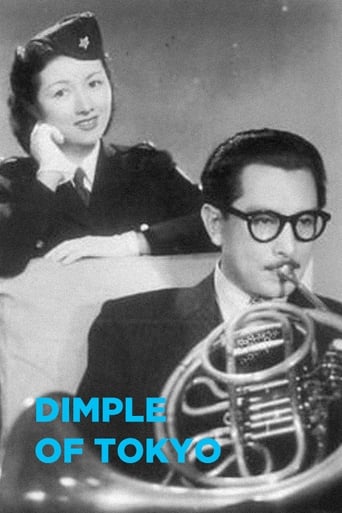 Dimple of Tokyo · 1952
Dimple of Tokyo
★ 10.01952
MovieComedy
Buntaro, the president of a food trading company got tired of the day-to-day routine of life. The new secretary, Nobuko, suggested her "shacho-san" (the president) run away from the job. Nobuko took Buntaro to her home and introduced him to her own family as friend, "Sachio-san"...
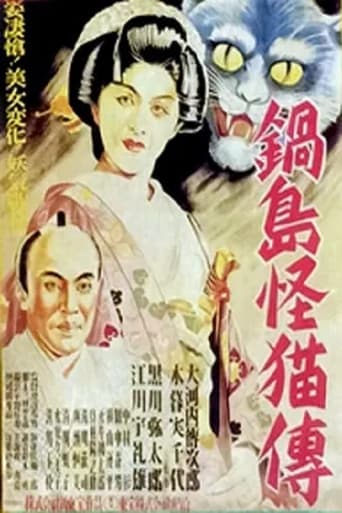 Ghost Cat of Nabeshima · 1949
Ghost Cat of Nabeshima
★ 6.51949
MovieMysteryHorror
Tanuma Kandayuu is a high class samurai of the house of Nabeshima. He finds a lavish board of Go (a Chinese Board game) at Kinbei's store. He recommend Kinbei to offer it to his lord. Kinbei hesitates at first, since he knows the board has a mysterious legend surrounding it; it's believed that for every game played on the board, one death is required.
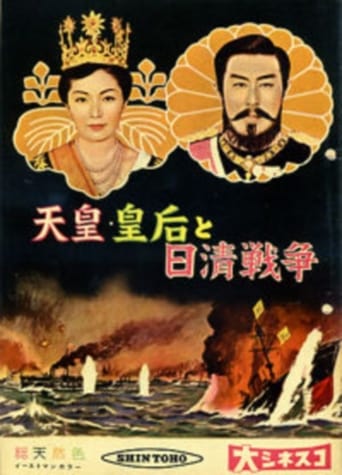 Emperor & Empress Meiji and the Sino-Japanese War · 1958
Emperor & Empress Meiji and the Sino-Japanese War
1958
MovieHistoryWar
Filmography
Sort