S
Acting
Sannosuke Fujikawa
Born March 22, 1889
Died April 20, 1943 · aged 54
No biography available.
Known For
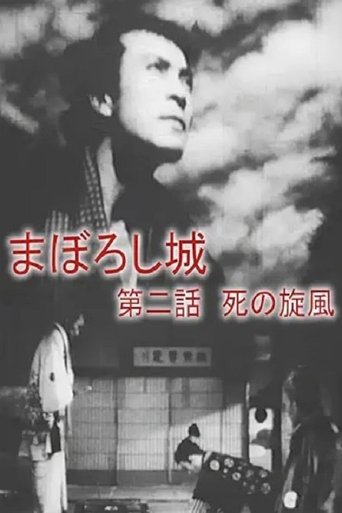 Maboroshijō dainiwa shi no senpū · 1940
Maboroshijō dainiwa shi no senpū
1940
MovieAction
The undercover agent Tsukinosuke Kigurumi successfully escapes with Kirisaku, who possesses the coveted Shinshu Mountain map targeted by the phantom gang, but loses the key to unlocking it. The one who picks up the key is Osumi, a female courier. (Existing version. Please excuse any deterioration in image quality due to original conditions.)
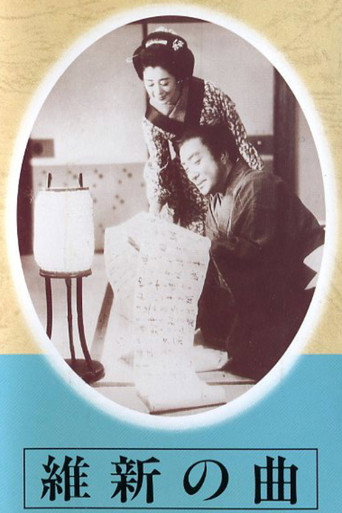 The March of the Restoration · 1942
The March of the Restoration
1942
MovieHistory
The first film produced by Daiei.
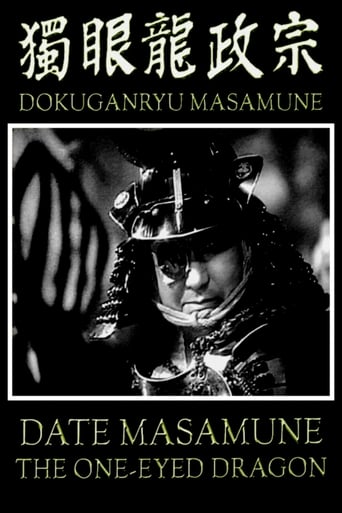 Date Masamune the One-Eyed Dragon · 1942
Date Masamune the One-Eyed Dragon
★ 6.21942
MovieHistoryDrama
The life, adventures and exploits of warlord Date Masamune the One-eyed Dragon: his early youth as an aggressive warrior, the battles he won until subduing almost all his enemies, the lonely comprehension of knowing that he actually can not take over the whole country because he was born too late.
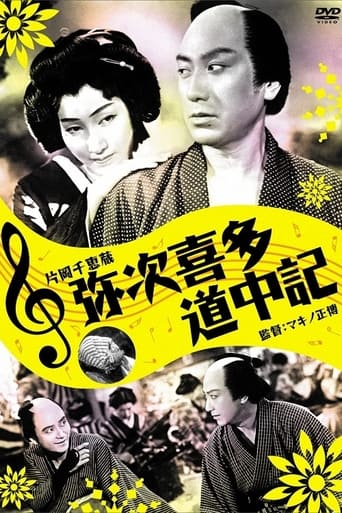 Yaji And Kita's Traveling Diary · 1938
Yaji And Kita's Traveling Diary
★ 9.01938
MovieComedyAdventure
A captivating operetta by Masahiro Makino based on Juppensha Ikku's humorous novel "Tōkaidōchū Hizakurige" starring Chiezo Kataoka and Kyoji Sugi.
 Maboroshijō kaiketsu-hen kizoji no gaika · 1940
Maboroshijō kaiketsu-hen kizoji no gaika
1940
MovieAction
Tsukinosuke narrowly misses capturing the lord of the phantom castle by a hair's breadth. The mountain map was with Kirisaku at the Ashiwara residence, belonging to the phantom gang. Tsukinosuke heads to the Ashiwara residence to rescue Kirisaku, but in the meantime, the Matsudaira residence is attacked by the phantom gang... (Existing version. Please excuse any deterioration in image quality due to original conditions.)
 Maboroshijō daiichiwa Hida no uzushio · 1940
Maboroshijō daiichiwa Hida no uzushio
1940
MovieAction
Mt. Norikura's natural fortress, the phantom castle. A white-clad iron mask, offering prayers to the eerie triple-faced deity of the Sennjogadake Rocks - the lord of the phantom castle, scheming to overthrow the Tokugawa shogunate that destroyed his lord. Sent by the shogunate to infiltrate Hida, Kigurumi Tsukinosuke's cover is blown... (Existing version. Please excuse any deterioration in image quality due to original conditions.)
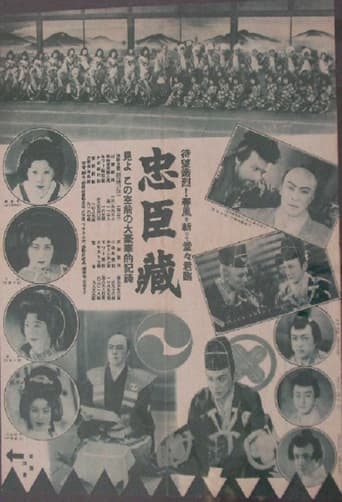 Chūshingura - Ninjō-hen; Fukushū-hen · 1934
Chūshingura - Ninjō-hen; Fukushū-hen
★ 9.01934
Movie
Directed by Daisuke Itō.
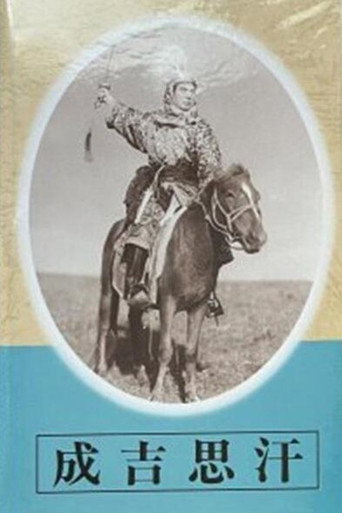 Genghis Khan · 1943
Genghis Khan
1943
MovieHistory
Filmed on location in the Mongolian plains.
Filmography
Sort