M
Directing
Motoharu Jônouchi
No biography available.
Known For
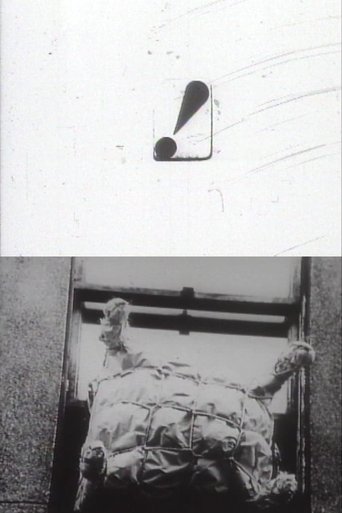 Hi-Red Centre Shelter Plan · 1964
Hi-Red Centre Shelter Plan
1964
Movie
Hi-Red Centre were comprised of Genpei Akasegawa, Natsuyuki Nakanishi and Jiro Takamatsu, who enacted ‘happening’-style performance art in unusual spaces during the early 1960s in Japan. The film is an extremely rare document of one of their early events, where they hired out a room in the Imperial Hotel and invited many friends and professionals in the art scene to participate in the occasion. The performance parodies Cold War fears and the construction of private bomb-shelters, as they diligently measure each guest’s weight and proportions in pretence that they are to build human-size shelters for each individual. Key figures of the art scene make an appearance, including Yoko Ono, video-artist Nam June Paik, noise artist Yasunao Tone, filmmaker Masao Adachi and graphic designer Tadanori Yokoo. A rarely seen and exceptional insight into the Japanese art scene of the era, Jonouchi records the event in his characteristically erratic style.
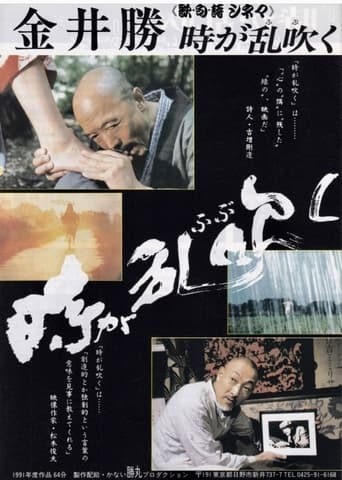 The Stormy Times · 1991
The Stormy Times
★ 7.21991
MovieDocumentaryDrama
The Stormy Times is a collection of three short films created as a series of visual poems (Dream Running, Grasshopper’s One-Game Match, andWe Can Hear Joe’s Poem). Katsu Kanai screened this films together, along with extra documentary footage, as a memorial to his friend Jônouchi Motoharu.
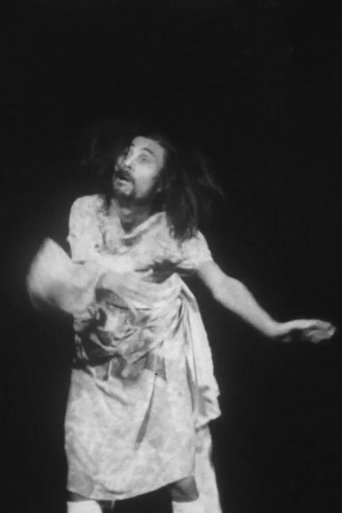 Tatsumi Hijikata · 1968
Tatsumi Hijikata
1968
Movie
"A work documenting Ankoku Butoh dancer Tatsuji Hijikata’s Revolt of the Flesh (Nikutai no hanran). The work established the relation between Revolt of the Flesh with uprising through the unique methods of photography and editing that is found in Jonouchi’s Gewaltopia series (1968) which represented the student protest movement." - Collaborative Cataloging Japan
 The Kingdom · 1973
The Kingdom
★ 7.01973
MovieActionThriller
A popular poet, Goku, becomes depressed when his editor jokingly suggests that he is a sell-out.
 Holy Theater · 1998
Holy Theater
1998
MovieDocumentary
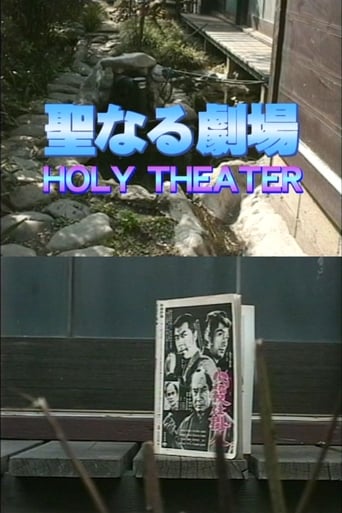
It’s said that people die twice. The first death is a physical one and the second, true death comes when there is no one to remember that person.
 Pû Pû · 1960
Pû Pû
★ 4.01960
Movie
"A film describing some unusual acts by youths attempting to break out of the stifling patterns of culture... daydreaming that yields them nothing. A mob of children enact a burial rite; the place of the 'corpse' is taken by one of the rebellious youths... Beautiful and rare images... one of the best Japanese films." --Iimura
 VAN - A Fragment of a Dream · 1969
VAN - A Fragment of a Dream
1969
Movie
"A work documenting the VAN Film Science Research Center’s space before shut down. VAN, which Jonouchi was a member, was established by the original and new members of the Nihon University Film Study Club (Nichidai Eiken) in Ogikubo section of Tokyo in 1960. VAN was a place where not only filmmakers but also people working in various media, including fine artists, musicians, photographers, and editors, could assemble, serving as an active center for creating historically important works and events." - Collaborative Cataloging Japan
 Gewaltopia Trailer · 1968
Gewaltopia Trailer
1968
Movie
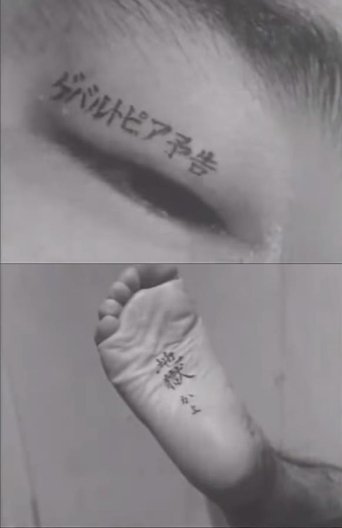
The title Gewaltopia Trailer has a dual meaning in the Japanese language; one meaning for the word yokoku (trailer) could mean a compilation of extracts to promote a film, but it can also mean a prediction, a prophecy for the future as a Gewaltopia. The film accumulates footage from his earlier films and arranges them in different contexts, a characteristic style of Jonouchi's who often re-edited his films for each screening and provided different soundtracks.
Filmography
Sort