Directing
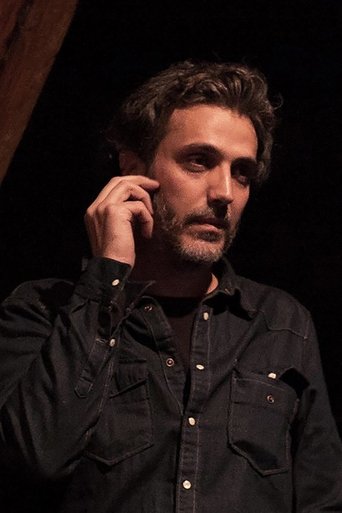
Pablo Mazzolo
Born January 1, 1976 · Buenos Aires, Argentina (age 50)
Pablo Mazzolo (Argentina) is a filmmaker and educator born in Buenos Aires in 1976. He works exclusively in analogue film formats exploring the optical and chemical properties of the medium, with a particular focus on human and natural landscapes. His work has tackled themes such as indigenous sovereignty, the spectre of military dictatorship, extinction and environmental catastrophe. He received …
Known For
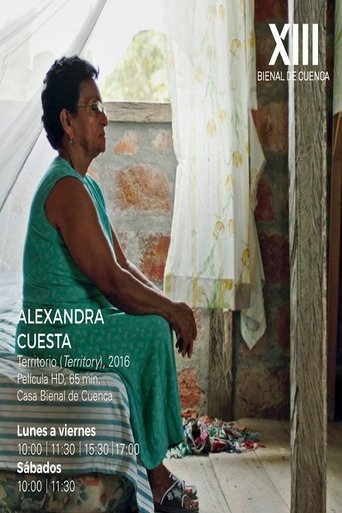 Territorio · 2016
Territorio
★ 7.02016
MovieDocumentary
Alexandra Cuesta cites eternal wanderer Henri Michaux as one of the inspirations for her first feature. It’s curious, then, that the opening sequence of Territorio (the first film Cuesta shot in her native Ecuador) shows us a boat heading for the shore. It is very likely that, to Cuesta, the image of water hides the same connotation than it does to the author of “The Sea of Breasts”: returning home, being sheltered in the mother’s womb. Without detouring from the formal approaches of her previous work, Cuesta traces a journey that crosses the country from north to south, drawing a human cartography in which the aim is to achieve an impossible balance between the foreign traveler’s gaze and the earnest familiarity of those who return home temporarily.
 La botella · 1996
La botella
★ 9.01996
MovieDrama
A simple game can reveal secrets hidden for years.
 Alma mía · 1999
Alma mía
★ 5.51999
MovieComedyRomance
The lives of Alma (Araceli Gonzalez) and Leo (Pablo Echarri) did not seem destined to cross. She, a baker in the mouth, with her family and her boyfriend Mario since adolescence. The, an architect with secure wedding date with Valeria. One night, fate brought them together and this unexpected encounter will not go unnoticed. Both Alma and Leo not be fidgety to what happens between them.
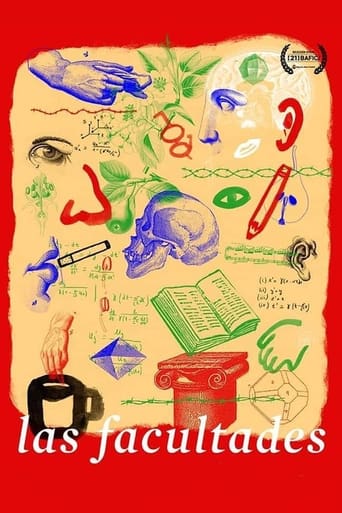 The Faculties · 2019
The Faculties
★ 8.02019
MovieDocumentary
Students of different careers prepare to take final exams. Botany, anatomy, sociology, medieval philosophy, criminal law, morphology, theoretical physics and piano. Each one uses their own abilities to cope with the situation of oral exposure, the most common evaluative practice in the National Universities of Argentina. Throughout the waiting moments in the halls, between the drama and the absurdity of each exam, the subjects begin to find unexpected relationships.
 LS83 · 2025
LS83
★ 7.22025
MovieDocumentary
The childhood memories of writer Martín Kohan are intertwined with the unreleased archive from the Channel 9 newscast between 1973 and 1980. Through this, a key period of Argentine history is reconstructed, exploring the relationship between personal memory and the public discourse of the time
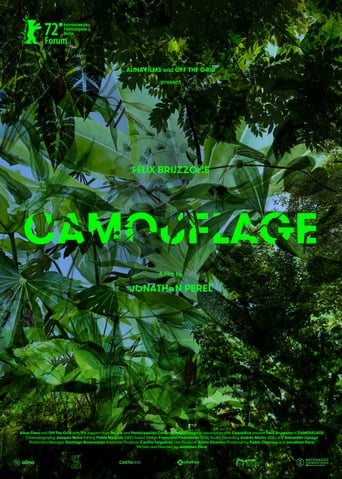 Camouflage · 2022
Camouflage
★ 2.02022
MovieDocumentary
In Camouflage, writer Félix Bruzzone embodies a runner who has an obsession with Campo de Mayo, the biggest military unit in Argentina. It is also the place where his mother disappeared in 1976 and the main clandestine center of detention, torture and extermination during the last dictatorship. The film will follow Félix as he finds characters that allow him to enter and explore this place so loaded with history.
 Sanctuary · 2024
Sanctuary
2024
MovieDocumentary
Sanctuary explores queer spirituality and utopian sexualities through the figure of Purusha Androgyne Larkin (1934–1988), a monk, pioneering gay filmmaker, and self-proclaimed cosmic-erotic mystic. Larkin’s 1981 book, 'The Divine Androgyne According to Purusha', challenged repression with a spiritual vision rooted in eroticism and presented a radical path to cosmic-erotic consciousness through ‘extreme’ forms of sexual pleasure. Sanctuary explores Larkin's attempt to form a utopian, pleasure-based spiritual community, and considers the complex legacies of his ideas in queer culture. Shot on 16mm, the film weaves together the voices of Larkin’s friends and followers, creating a portrait in absentia of a figure ahead of his time.
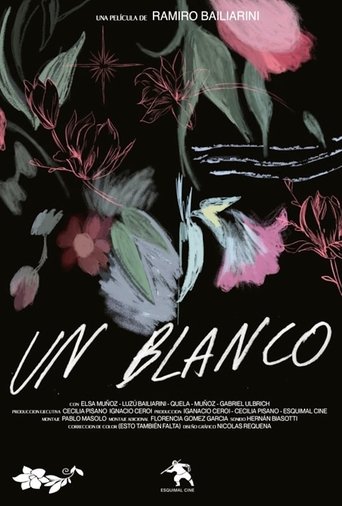 A Blank · 2024
A Blank
2024
MovieDocumentary
A Blank is a first-person documentary about the relationship between the protagonist-director Ramiro and his mother, Elsa, and how his upbringing in the countryside and the dramatic separation of his parents shaped his life today.