Directing
Léon Poirier
Born August 25, 1884 · Paris, France
Died June 27, 1968 · aged 83
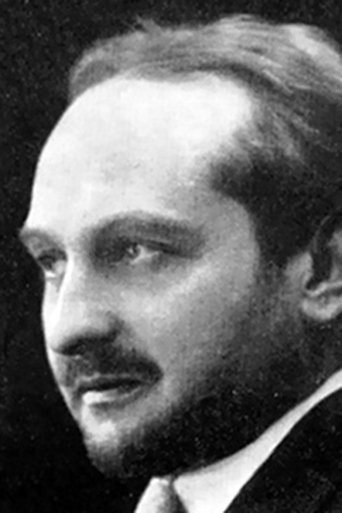
Léon Poirier (25 August 1884 – 27 June 1968) was a French film director, screenwriter and film producer best known for his silent films from 1913 onwards. He directed some 25 films between 1913 and 1949. His most famous film today is Verdun: Visions of History, a drama-documentary depicting the World War I Battle of Verdun. His later films adopted a form of poetic realism influenced by pictorialis…
Known For
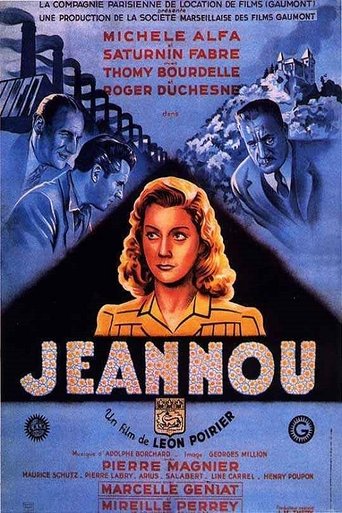 Jeannou · 1943
Jeannou
★ 9.01943
MovieDramaComedy
Jeannou lives in a castle in Périgord with his father, the last man of aristocratic lineage landowners, very attached to traditions. She meets Peter, a young engineer, she joined in Paris, decided to marry her. A few months later, pregnant, she returned to the area where the wedding will be celebrated.
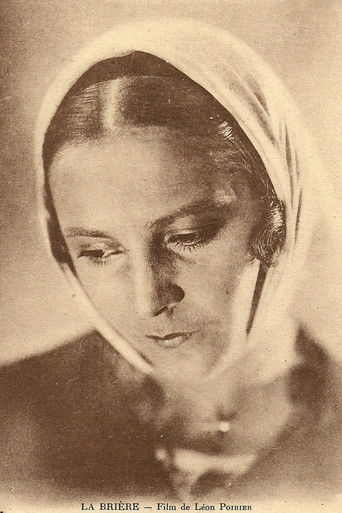 La Brière · 1924
La Brière
★ 10.01924
MovieDrama
In the lands of Brière a bitter dispute broke out over the draining of marshes for brick making. An old man, Aoustin, leads the resistance and refuses to give the hand of his daughter Théotiste to a young peasant, Jeannin, who supports it.
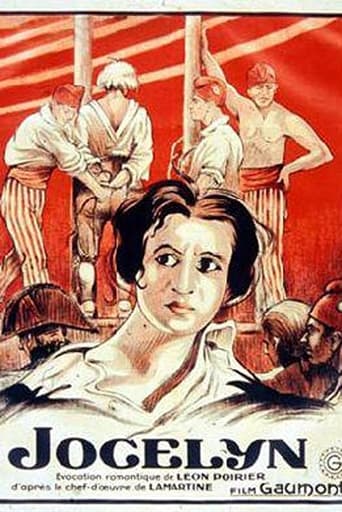 Jocelyn · 1922
Jocelyn
★ 8.01922
Movie
Adaptation of a romantic Lamartine poem. A youth leaves a monastery where he has stayed, after the anti-religious terror of the Revolution. He befriends a youth who turns out to be a girl. But his former bishop calls Jocelyn back to duty.
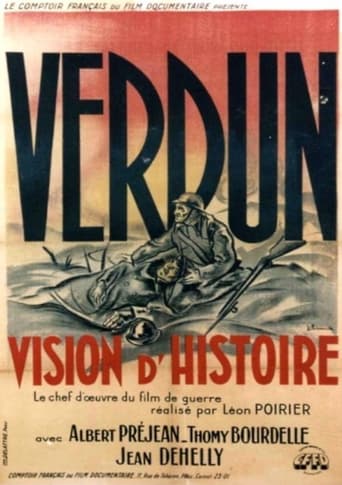 Verdun: Visions of History · 1928
Verdun: Visions of History
★ 7.81928
MovieWarDrama
A dramatized re-enactment and documentary of the Battle of Verdun as seen by both French and German soldiers, shot on site of the actual battle.
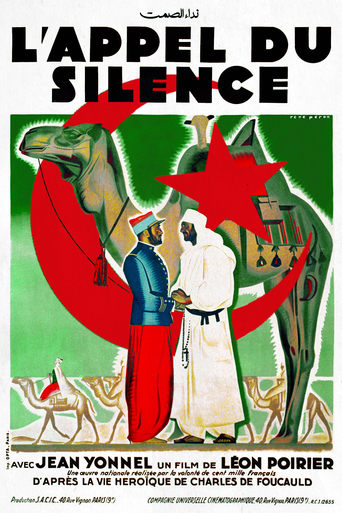 The Call · 1936
The Call
★ 8.01936
MovieDrama
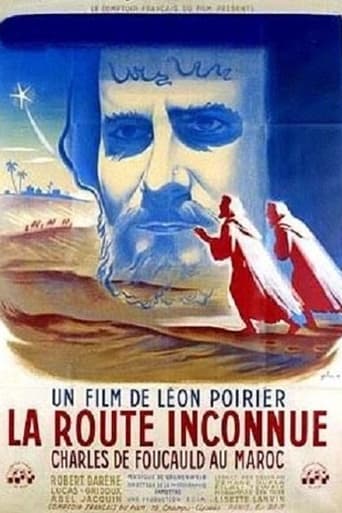
The story of Charles de Foucauld, born September 15, 1858 in Strasbourg (France) and died December 1, 1916 in Tamanrasset in Algeria during the French colonial period, was a cavalry officer of the French army who became an explorer and geographer, then Catholic religious, priest, linguist and hermit in the Hoggar desert in Algeria.
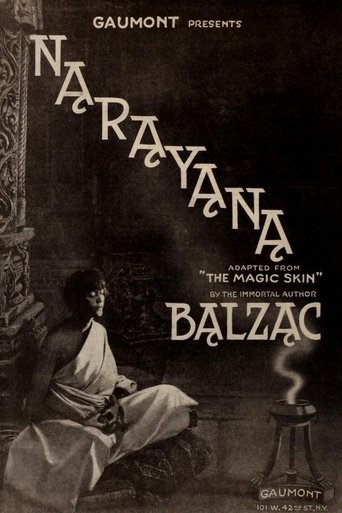 Narayana · 1920
Narayana
★ 5.81920
MovieDrama
Loosely based on Balzac's novel "La peau de chagrin", the story revolves around a man who steals a small, magical figurine named Narayana.
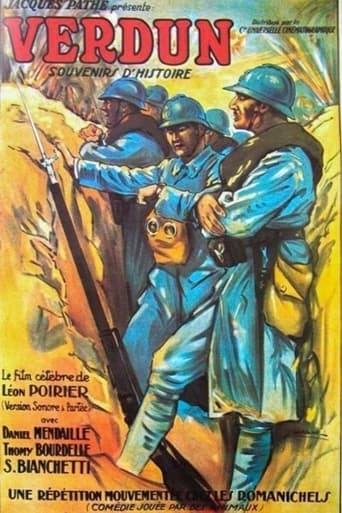 Verdun, memories of history · 1931
Verdun, memories of history
★ 7.01931
Movie
A visitor from the western front tells young children, in a sober commentary, about the battle of Verdun.
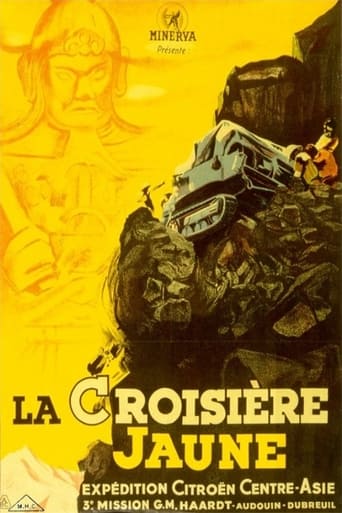 The Yellow Cruise · 1934
The Yellow Cruise
★ 6.31934
MovieDocumentaryAdventure
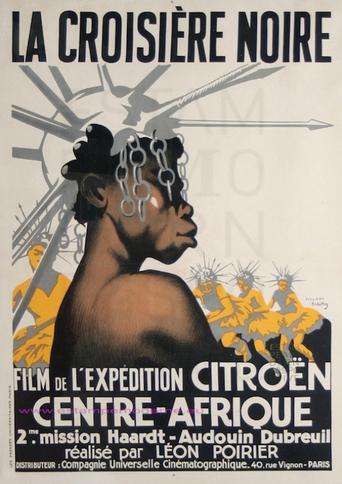
The Yellow Cruise is a French documentary film initially directed by André Sauvage and taken over by Léon Poirier following the intervention of André Citroën. The film was presented in Paris in 1934. André Sauvage was hired by the Pathé-Natan company to follow the yellow cruise through Asia. In 1931 and 1932, forty-two men, including Pierre Teilhard de Chardin, scholars and doctors traveled thirty thousand kilometers on the Silk Road through the Middle and Far East, in caterpillar propellants. Together, despite the bad weather, the difficulties of the terrain, the mechanical failures and the political conflicts, they reached Beijing on February 12, 1932. André Citroën who asked to see the film, dissatisfied with the result, bought it from Bernard Natan and entrusted the editing by Léon Poirier, who had filmed La Croisière Noire in Africa in 1926. This film will mark the break in the film career of André Sauvage.
Filmography
Sort