Directing
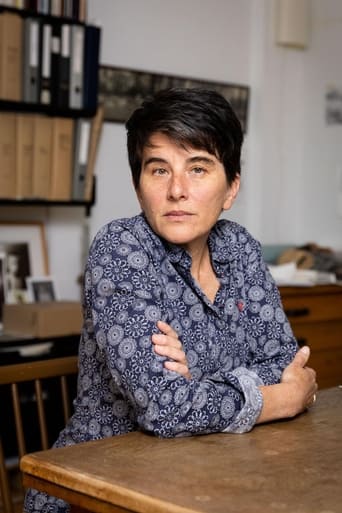
Fiona Tan
Born January 1, 1966 · Pekanbaru, Indonesia (age 60)
Fiona Tan is a visual artist and filmmaker. She is best known for her skillfully crafted video and film installations, in which explorations of memory, time, history, and the role of visual images are key. Her installations and photographic works have been shown in numerous solo and group exhibitions in international venues. She has written and directed to date two feature-length films. Her work …
Known For
 Ascent · 2016
Ascent
★ 5.42016
MovieDrama
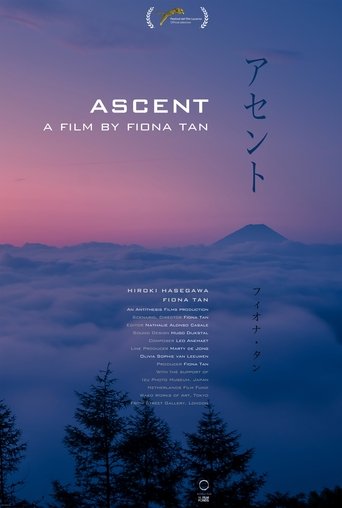
Through a grey blanket of clouds, we barely discern the contours of Mount Fuji, a volcano with many faces. 4,500 exceptional and diverse photographs from the past 150 years form the basis for Ascent. Made entirely with stills, it is a filmic experiment balancing between documentary and fiction, photography and film, where an English woman and her deceased Japanese partner, Hiroshi, lead the way. As Mount Fuji is climbed across geographical, temporal and cultural divides, the narrative unfolds, exploring unexpected paths.
 Dearest Fiona · 2023
Dearest Fiona
2023
MovieDrama
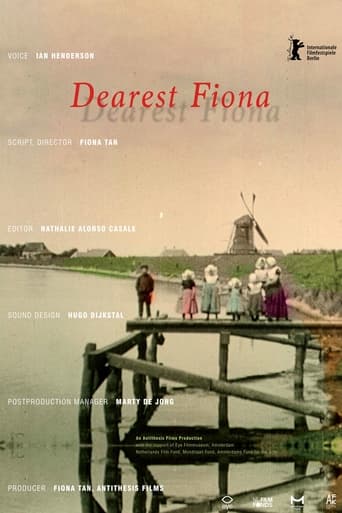
As a voice reads letters from a father to his daughter off camera, 20th century archival images from the Netherlands are shown. Fiona Tan touchingly explores what potential emerges when sound and image diverge.
 Facing Forward · 1999
Facing Forward
1999
Movie
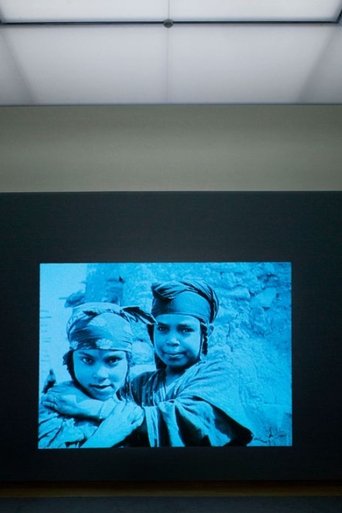
In reframing and re-editing existing ethnographic films, Tan exposes their anthropological underpinnings and questions the conventions of filmmaking. What is the relationship between the observer and the observed? How can one ever know another? The voice-over, a fictional dialogue taken from Italo Calvino’s Invisible Cities, may offer an answer. The explorer Marco Polo and Emperor Kublai Khan are speaking about travel and looking back on the past, when Polo observes, “The traveler recognises the little that is his, discovering the much he has not had and will never have.”
 Downside Up · 2002
Downside Up
2002
Movie
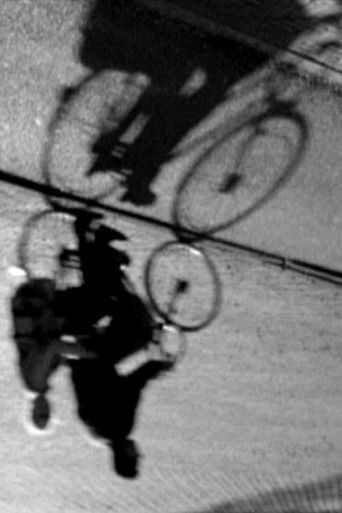
‘…I lose my bearings. But after all, is that such a bad thing?’ - FT
 A Lapse of Memory · 2007
A Lapse of Memory
2007
MovieDrama
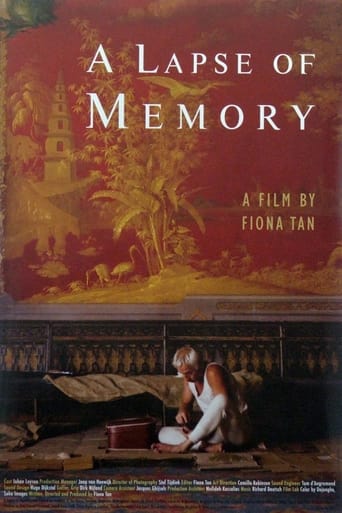
A confused old man, Henry, lives on his own in an old empty building that is reminiscent of a deserted palace. Henry hasn't been outside for years. The camera follows a day in his life - his simple daily chores and his eccentric rituals. Henry looks like a European from a good family, but has many Asian habits. The second protagonist is the building in which Henry is staying: the Royal Pavilion in Brighton. It is one of the best preserved examples of chinoise architecture and furnishing in the world. Neither the client nor the architect had ever set foot in Asia. In a monologue, a parallel narrative unfolds in a game with reality and fiction. Word and image, fiction and documentary become intertwined with each other and point across the frontiers of ‘East’ versus ‘West’.
 Nellie · 2013
Nellie
2013
Movie
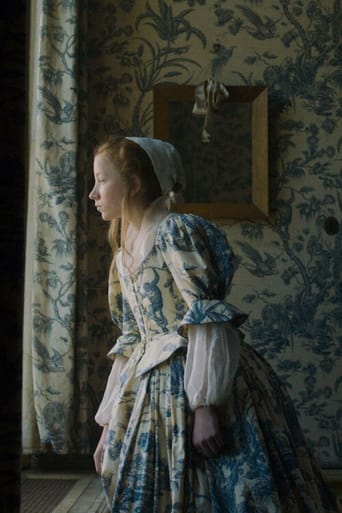
Transporting the viewer to a very different time and place, Nellie is inspired by the life of Cornelia van Rijn, Rembrandt's illegitimate daughter, who at the age of sixteen emigrated to Batavia (present-day Jakarta). Little is known about Cornelia's life; no portraits of her are known to exist. But this omission from the history books was for the artist an opportunity to give her imagination free reign. With this unsettling work Tan offers a touching homage to a forgotten woman, whose 'suspended history' becomes activated again.
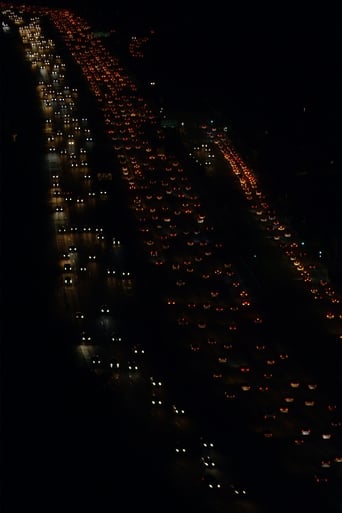 Vertical Wide · 2018
Vertical Wide
2018
Movie
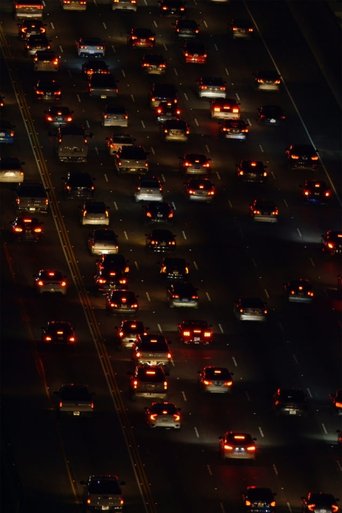
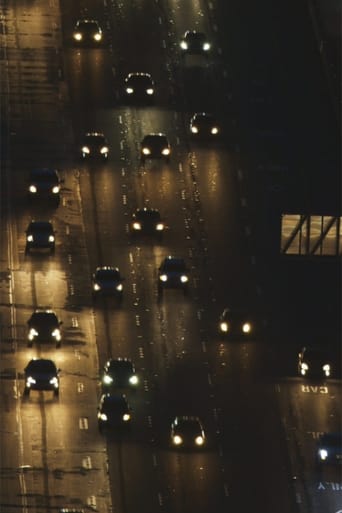
With a static camera Tan films the dense night-time traffic in West Los Angeles from her temporary studio location at the Getty Center. Undercutting the cinematic quality inherent in this view of teeming traffic, the upright frame instead suggests a domestic window or an abstract painting. The space is flattened, and the viewer is unsettled. Shorn of a narrative, Vertical Wide is part of a trio of video works that are a series of dream-like moving pictures.
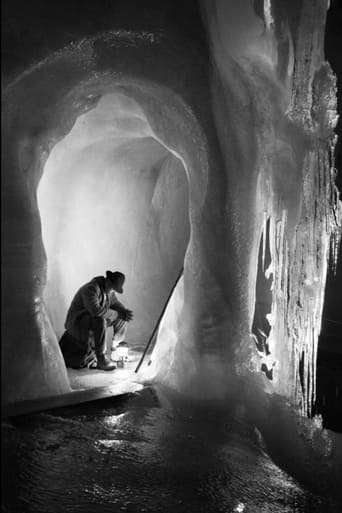 Gray Glass · 2020
Gray Glass
2020
Movie