Acting
Monette Dinay
Born September 20, 1906 · Le Petit-Quevilly, Seine-Maritime, France
Died November 19, 1986 · aged 80
No biography available.
Known For
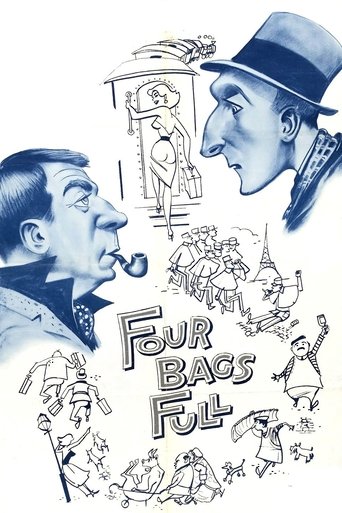 La Traversée de Paris · 1956
La Traversée de Paris
★ 7.31956
MovieComedyDrama
Two unlikely companions must smuggle four suitcases filled with contraband pork across Nazi-occupied Paris.
 Neither Seen Nor Recognized · 1958
Neither Seen Nor Recognized
★ 6.81958
MovieComedyFamily
In a small French village, everything would be quiet if the local wildlife cop was not being ridiculed by a smart poacher.
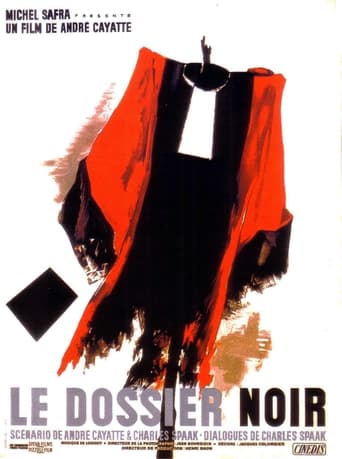
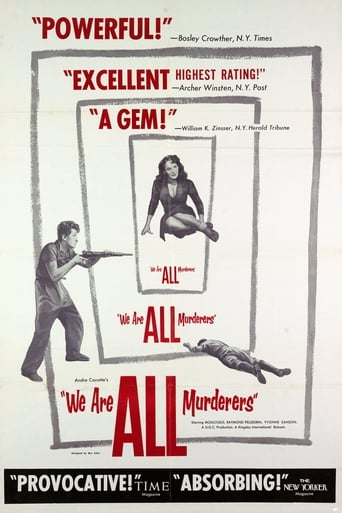 We Are All Murderers · 1952
We Are All Murderers
★ 6.71952
MovieCrimeDrama
Originally titled Nous Sommes Tout des Assassins, We Are All Murderers was directed by Andre Cayette, a former lawyer who detested France's execution system. Charles Spaak's screenplay makes no attempt to launder the four principal characters (Marcel Mouloudji, Raymond Pellegrin, Antoinine Balpetre, Julien Verdeir): never mind the motivations, these are all hardened murderers. Still, the film condemns the sadistic ritual through which these four men are brought to the guillotine. In France, the policy is to never tell the condemned man when the execution will occur--and then to show up without warning and drag the victim kicking and screaming to his doom, without any opportunity to make peace with himself or his Maker. By the end of this harrowing film, the audience feels as dehumanized as the four "protagonists." We Are All Murderers was roundly roasted by the French law enforcement establishment, but it won a special jury prize at the 1952 Cannes Film Festival.
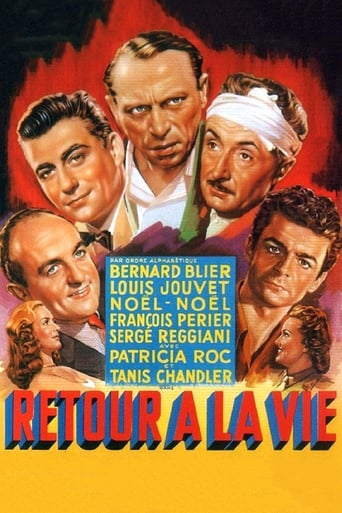 Return to Life · 1949
Return to Life
★ 6.41949
MovieDramaComedy
In France in 1946, the difficult return to civilian life of five deportees and prisoners of war after having lived through the hell of the Second World War.
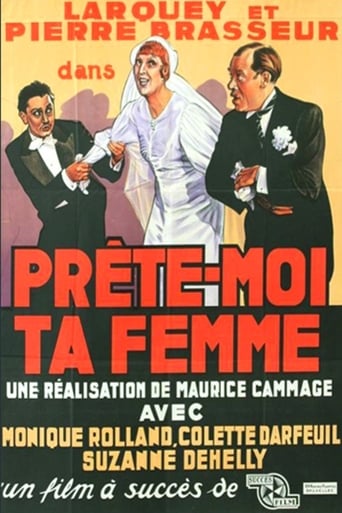 Prête-moi ta femme · 1936
Prête-moi ta femme
★ 9.01936
Movie
Gontran is required to marry if he wants to benefit from his aunt's inheritance. To convince the latter in favor of a visit, he calls on the wife of a friend who will play the role of the future wife. This maneuver will cause many misunderstandings.
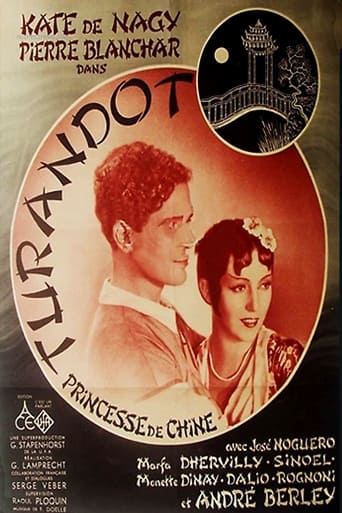 Turandot, princesse de Chine · 1935
Turandot, princesse de Chine
★ 10.01935
Movie
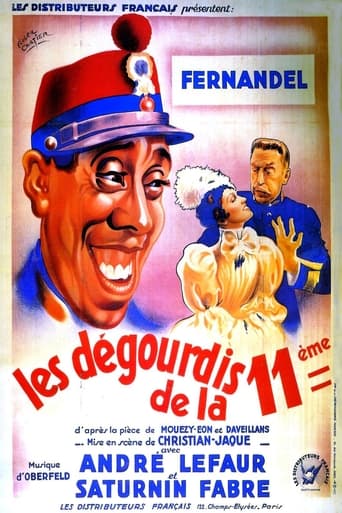 The Smart People of the 11th · 1937
The Smart People of the 11th
★ 5.01937
MovieComedy
A colonel decided to be represented at the regiment festival of a tragedy in verse by the poem written by his sister.
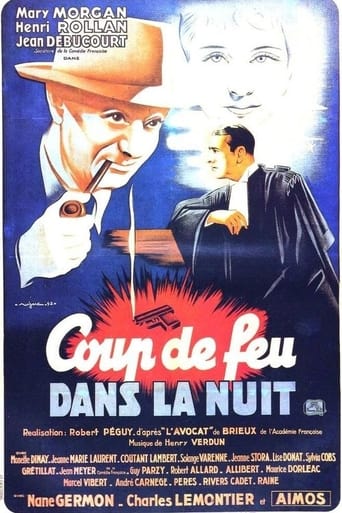 Coup de feu dans la nuit · 1943
Coup de feu dans la nuit
★ 7.01943
MovieCrime
A woman is accused of the murder of her husband, who was jealous and brutal. Her lawyer manages to get her acquitted and they get married in the end.
Filmography
Sort
Neither Seen Nor Recognized · 1958Neither Seen Nor Recognized
★ 6.81958
MovieComedyFamily
In a small French village, everything would be quiet if the local wildlife cop was not being ridiculed by a smart poacher.
Léontine, la domestique de Dubenoit
Return to Life · 1949Return to Life
★ 6.41949
MovieDramaComedy
In France in 1946, the difficult return to civilian life of five deportees and prisoners of war after having lived through the hell of the Second World War.
Juliette (segment "Le retour de Jean")