A
Editing
Andrew Killoy
No biography available.
Known For
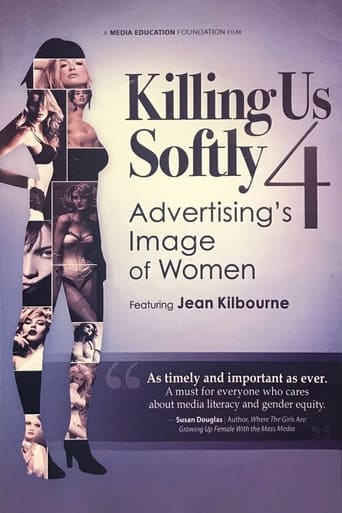 Killing Us Softly 4: Advertising's Image Of Women · 2010
Killing Us Softly 4: Advertising's Image Of Women
★ 6.72010
MovieDocumentary
The documentary focuses on images of women in advertising, in particular on gender stereotypes, the effects of advertising on women's self-image and the objectification of women's bodies.
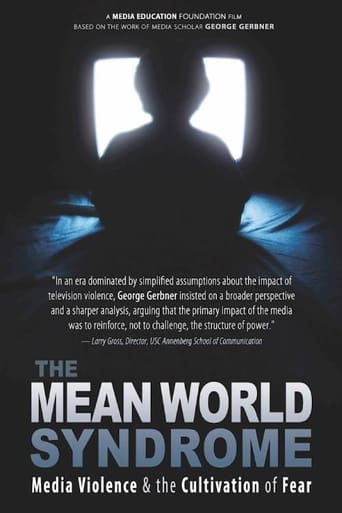 The Mean World Syndrome · 2010
The Mean World Syndrome
2010
MovieDocumentary
For years, debates have raged among scholars, politicians, and concerned parents about the effects of media violence on viewers. Too often these debates have fallen into simplistic battles between those who claim that media images directly cause violence and those who argue that activists exaggerate the impact of media exposure. Based on interviews conducted with George Gerbner before his death in 2005, the film urges us to think about media effects in more nuanced ways. In contrast to behaviorist models that see media violence as causing real-world violence, and limited effects models that question the impact of media altogether, Gerbner encourages us to move outside the frame of this debate to consider how the repetitive stories media tell constitute a pervasive cultural environment - a landscape of ritualized, often violent images that have the power to cultivate how we see and understand the world.
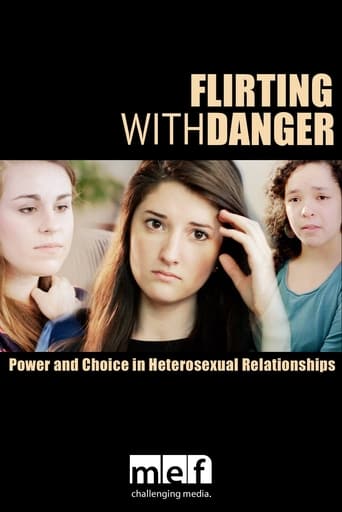 Flirting with Danger: Power & Choice in Heterosexual Relationships · 2012
Flirting with Danger: Power & Choice in Heterosexual Relationships
2012
Movie
Social and developmental psychologist and author Lynn Phillips explores the line between consent and coercion in this thought-provoking look at popular culture and the ways real girls and women navigate their heterosexual relationships and hookups.
Filmography
Sort