Directing
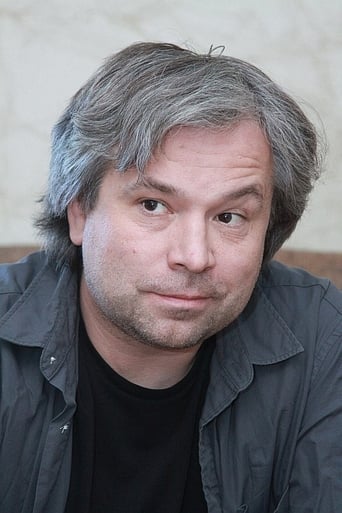
Olafs Okonovs
Born April 13, 1973
Died December 7, 2020 · aged 47
Olafs Okonovs was a Latvian film director.
Known For
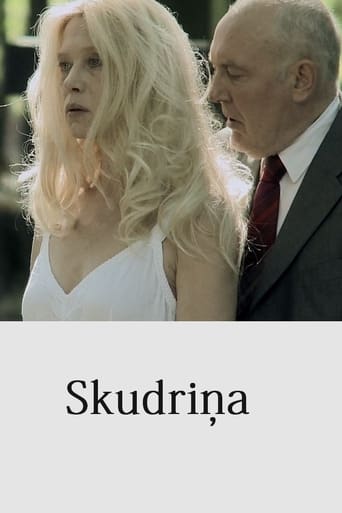 The Little Ant · 2009
The Little Ant
2009
Movie
In the cemetery of small town, a Man and a Woman, both middle-aged, meet at sunset. He has a terrible plan of how to battle with cemetery vandals, but she is suspicious of his real purpose.
 Workshop in the Countryside · 2002
Workshop in the Countryside
2002
MovieDocumentary
At the end of 70ies, when individual houses were getting destroyed in the Latvian countryside to put everyone in Soviet kolkhozs, painters Inta Celmiņa and Edvards Grūbe bought a house in Vidzeme, far away from everybody. It was a new beginning for the house, and for the artists as well, who now lead a double life, spending winters in Riga, and summers - in their workshop in the countryside. It's a story about the classic values of Latvian painting and the environment that breeds it.
 Boris Says · 2000
Boris Says
2000
MovieDocumentary
Latvian painter Boriss Bērziņš talks about life and art in his workshop. A documentary that was awarded "Lielais Kristaps" for best debut.
 Valka 1917 · 2017
Valka 1917
2017
MovieDocumentaryHistory
The film tells the story of a series of events, coincidences and accidents caused by World War I, which allowed Latvians, like many other nations, to fulfill their dream of having their own country in 1918. However, the foundations of the Latvian state were laid in November 1917 in Valka, when the largest Latvian parties and social movements established the Latvian Provisional National Council. Why did Valka become the epicenter of events? What gave strength and inspiration to the men who began to build a free and united Latvia? And how heavy is the clay from which a country is made? The answers to these questions will be sought by storyteller and actor Gundars Āboliņš, together with historians and lawyers Jānis Plepu, Ēriks Jēkabsons, Ineta Lipša, and Jānis Tomaševskis.
 Latvian Gold · 2004
Latvian Gold
2004
MovieDocumentary
A documentary about the almost mythical "Latvian gold" - where it comes from and what's being done with it.
 Mystery of the Old Garden · 2019
Mystery of the Old Garden
2019
MovieFamilyAdventure
A family film about an adventure of kids discovering and safeguarding the mystery of an old garden.
 Sapnis par pili. Hercogs Imants · 2014
Sapnis par pili. Hercogs Imants
2014
MovieDocumentaryTV Movie
"I have allowed myself to be selfish and do only what I like," said Imants Lancmanis. As a child, when he saw a picture of Rundāle Palace, the boy was disappointed: what kind of palace is that without a tower?! But it was in Rundāle that he was destined to build his dream palace 50 years ago. To experience victories and losses, joys and sorrows, happiness and misfortune. To measure the social hierarchy and turn down tempting job offers.
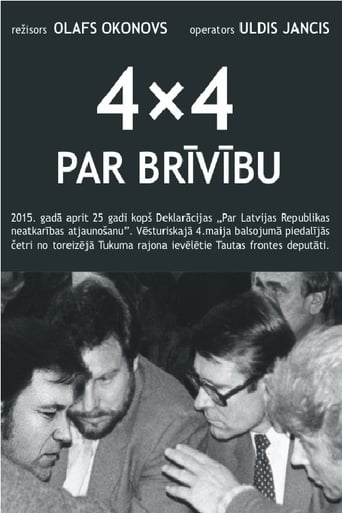 4x4 For Freedom · 2015
4x4 For Freedom
2015
MovieDocumentary
What kind of masters have we been in our independent country? A quarter of a century ago these four men were among those who voted for a free Latvia. 2015 was the 25th anniversary of the independence declaration. Deputies from the then Tukums district were among of the voters on that day, the 4th of May. A look from outside of Riga.
Filmography
Sort