P
Acting
Petar Prličko
Born March 13, 1907 · Veles, Macedonia
Died November 16, 1995 · aged 88
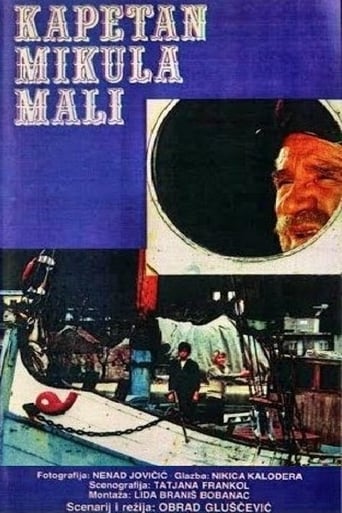
Petar Prlicko was born on March 13, 1907 in Veles, Ottoman Empire as Perica Aleksic. He was an actor and writer, known for Captain Mikula, the Kid (1974), Narodni poslanik (1964) and Captain Lechi (1960). He died on November 16, 1995 in Skopje, Macedonia. On August 1991, he received Life Achievement Award "Slavica" for his roles in Yugoslav cinematography.
Known For
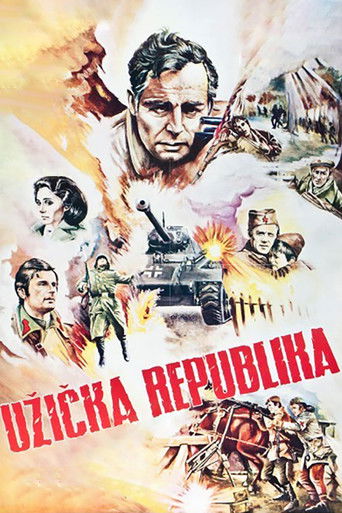 The Republic of Užice · 1974
The Republic of Užice
★ 5.71974
MovieWar
In 1941, a few months after German tanks forced Yugoslav Royal Army to capitulate, organized resistance is turning into massive uprising against occupying forces. Partisans, led by the Communist party, manage to chase Germans from huge territory later known as the Uzice Republic. However, forces loyal to King have some other ideas.
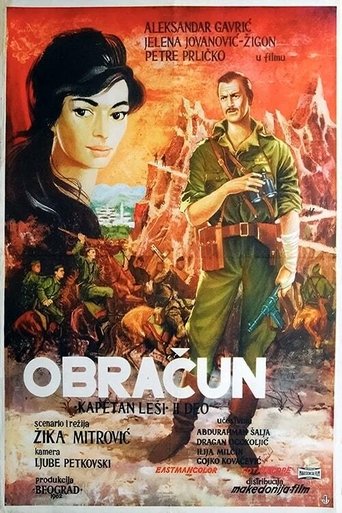 Gunfight · 1962
Gunfight
★ 5.81962
MovieActionWar
In this sequel to "Captain Leshi", a group of Albanian nationalist movement (ballists) continues obstruction of the new Yugoslavian authorities even after the war. Captain Leshi manages to fight them successfully, as well as to fulfill his romance with beautiful Azira.
 On the Run · 1967
On the Run
★ 6.81967
MovieDrama
The feeling of being incapable of controlling your own life and general uselessness make people want to escape the world around them. In spite of the feeling that they possess some creative force, they still feel they waste their time and lives.
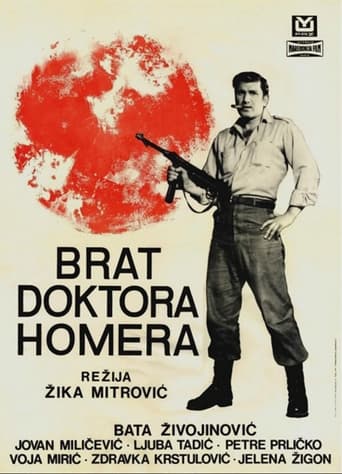 Doctor Homer's Brother · 1968
Doctor Homer's Brother
★ 7.41968
MovieDramaWar
This film predominantly deals with the problems of a young man whom his delusions led into conflict with society. These issues will throw him into an adventure that would be tragic for him, but still helpful for him to see the truth. The story takes place in Kosovo in 1945, in an atmosphere of uncured wounds, wandering, betrayal, burned homes, typhoid and other postwar misery. An authentic story from those days was taken as the film's basis.
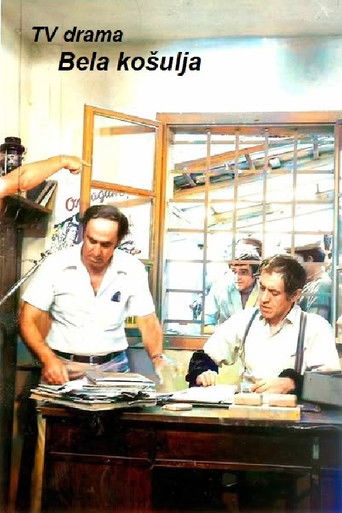 White Shirt · 1973
White Shirt
★ 8.01973
MovieTV MovieDrama
A TV drama set in a brick factory.
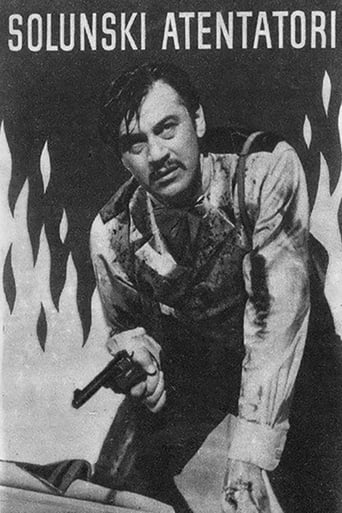 The Salonika Assassins · 1961
The Salonika Assassins
★ 6.81961
MovieHistoryDrama
The story of a famous group of Macedonian freedom fighters that opposed Ottoman repression at the beginning of 20th century.
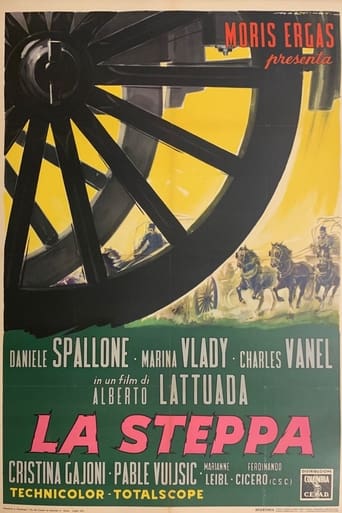 The Steppe · 1962
The Steppe
★ 6.21962
MovieFamilyAdventure
Based on a Anton Chekhov short story, this slight tale has some good moments as the drama of a young boy's journey unfolds. The lad comes from peasant stock, and one day his family decides it would be best for him to go live with his uncle in the city. The only problem is that the city is all the way across the Russian steppes, and at this time in history, that arduous journey could only be undertaken by horse and carriage. Reminiscent of the American pioneer wagon trains heading West, the tale lacks any attacks from hostile forces but is filled with charming vignettes. In one part of the journey, the boy comes across some fishermen along a river, harpooning their catch for the day. In another segment, he is entertained when some folk dancers do a lively show. But in general, it is too long and unmomentous a journey to hold attention well for nearly two hours.
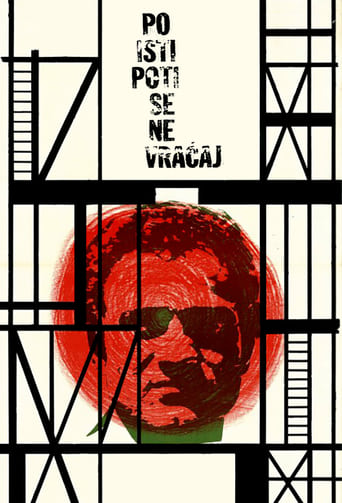 Don't Come Back by the Same Way · 1965
Don't Come Back by the Same Way
★ 7.71965
MovieDrama
The story of a few untrained construction workers from poor underdeveloped parts of the country, such as Bosnia and Herzegovina or Macedonia, who carry out seasonal work in the highly-developed republic of Slovenia. Far from home, problems arise for the men - with their families, alcohol, the local population's derision and the "real Slovenian workers".
Filmography
Sort