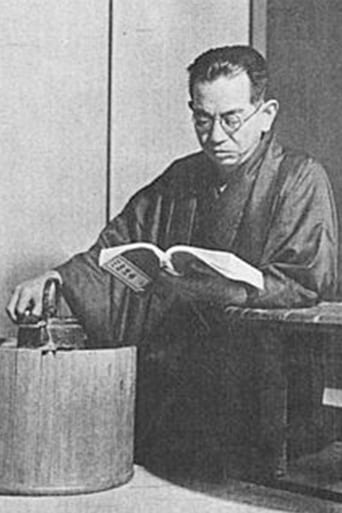
Writing
Kōgo Noda
Born November 19, 1893 · Hakodate, Japon
Died September 23, 1968 · aged 74
Kōgo Noda (野田高梧, November 19, 1893 – September 23, 1968) was a legendary Japanese screenwriter best known for his long-standing collaboration with director Yasujirō Ozu. Together, they co-wrote some of the most critically acclaimed masterpieces in world cinema history, including "Tokyo Story" (1953), "Late Spring" (1949), "Early Summer" (1951), and "An Autumn Afternoon" (1962). Noda also served as…
Known For
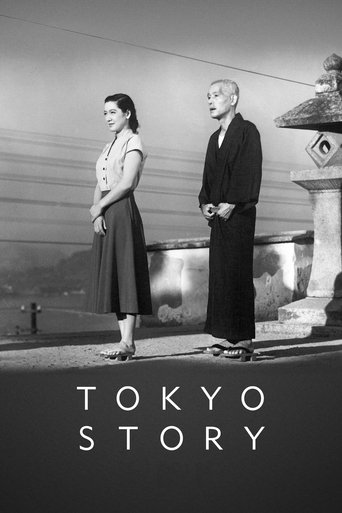 Tokyo Story · 1953
Tokyo Story
★ 8.11953
MovieDrama
The elderly Shukishi and his wife, Tomi, take the long journey from their small seaside village to visit their adult children in Tokyo. Their elder son, Koichi, a doctor, and their daughter, Shige, a hairdresser, don't have much time to spend with their aged parents, and so it falls to Noriko, the widow of their younger son who was killed in the war, to keep her in-laws company.
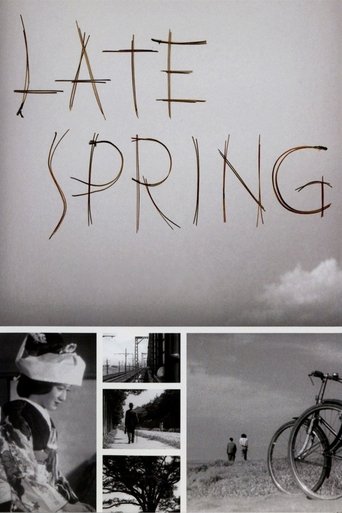 Late Spring · 1949
Late Spring
★ 8.01949
MovieDrama
Noriko is perfectly happy living at home with her widowed father, Shukichi, and has no plans to marry -- that is, until her aunt Masa convinces Shukichi that unless he marries off his 27-year-old daughter soon, she will likely remain alone for the rest of her life. When Noriko resists Masa's matchmaking, Shukichi is forced to deceive his daughter and sacrifice his own happiness to do what he believes is right.
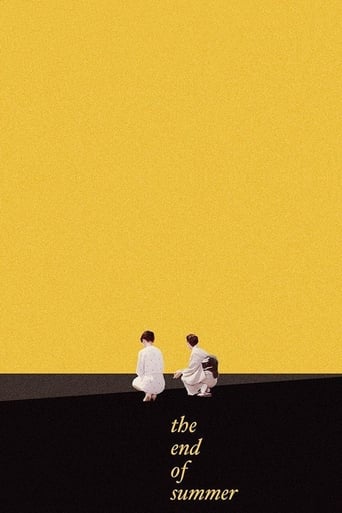 The End of Summer · 1961
The End of Summer
★ 7.51961
MovieDrama
The family of an older man who runs a small sake brewery become concerned with his finances and his health after they discover him visiting an old mistress from his youth.
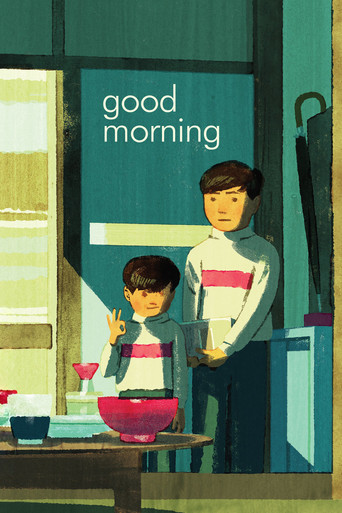 Good Morning · 1959
Good Morning
★ 7.71959
MovieComedyFamily
Two boys beg their parents for a television set, nagging them until all patience is lost. The parents order the boys to be quiet and the boys do exactly that--refusing to utter a word. The boys' silence ultimately puts the whole neighborhood into turmoil.
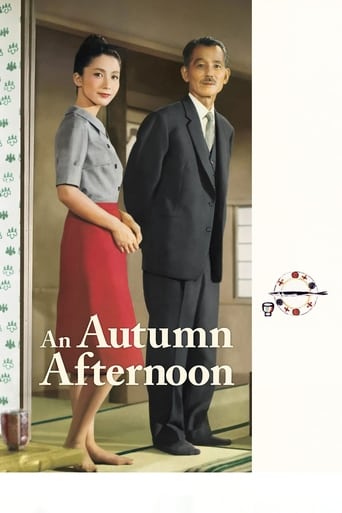 An Autumn Afternoon · 1962
An Autumn Afternoon
★ 7.91962
MovieDrama
Widower Shuhei Hirayama's caretaker is his 24-year-old daughter, Michiko. Gradually, he comes to realize that Michiko should not be obliged to look after him for the rest of his life, so he arranges a marriage for her.
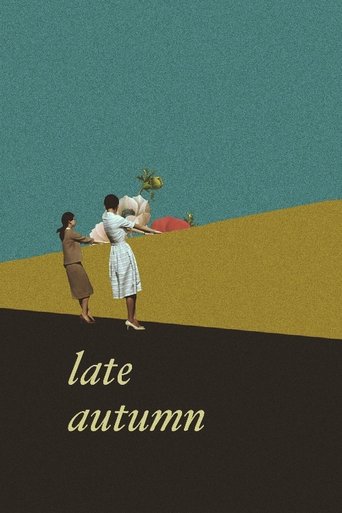 Late Autumn · 1960
Late Autumn
★ 7.71960
MovieDramaComedy
A woman and her daughter are each forced to contend with an increasing pressure to marry, particularly from three men who knew her late husband.
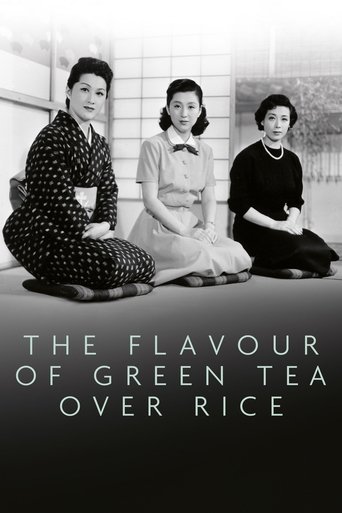 The Flavor of Green Tea Over Rice · 1952
The Flavor of Green Tea Over Rice
★ 7.51952
MovieDrama
The arranged marriage between a capricious woman from Tokyo high society and a quiet rustic man is tested by a marital crisis.
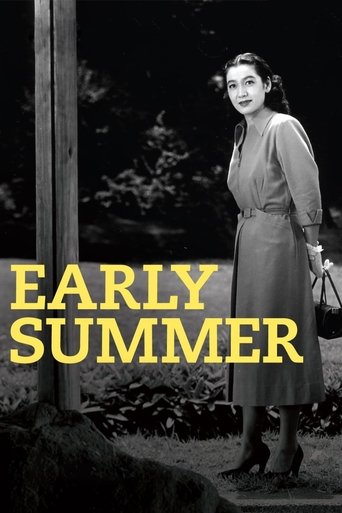 Early Summer · 1951
Early Summer
★ 7.91951
MovieDrama
In postwar Tokyo, Noriko lives with her extended family. Although she enjoys her career and her social life, her more traditional family worries about her single marital status at the advanced age of 28. 40-year-old business associate Takako proposes, Noriko's family press her into accepting, but when her widowed childhood friend Kenkichi returns to the neighborhood, she finds her heart leading in another direction.
Filmography
Sort