Art
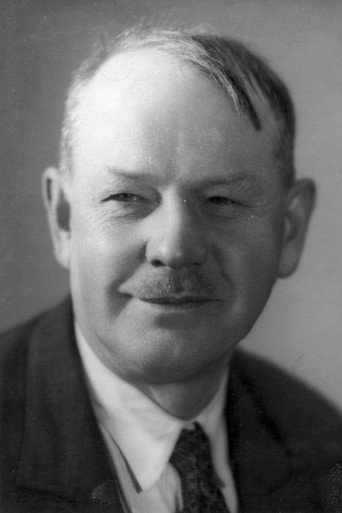
Vladimir Egorov
Born March 19, 1878 · village Pokrovskoe, Mtsensk uyezd, Oryol Governorate, Russian Empire [now Mtsensky District, Oryol Oblast, Russia]
Died October 8, 1960 · aged 82
No biography available.
Known For
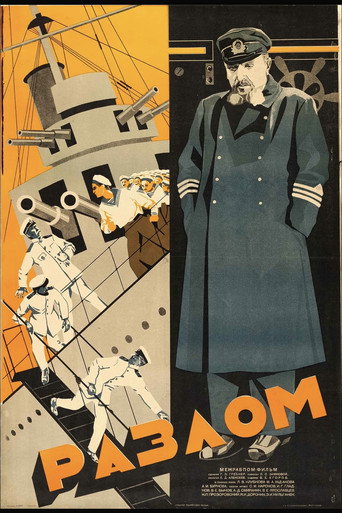 The Break-Up · 1929
The Break-Up
1929
MovieDrama
The commander of the cruiser Zarya, nobleman Bersenev, sympathizes with the Bolsheviks, encouraged in part by Artem Godun, chairman of the ship’s committee. His eldest daughter, Tatyana, follows in her father’s footsteps. Her husband, von Staube, is involved in a counter-revolutionary conspiracy.
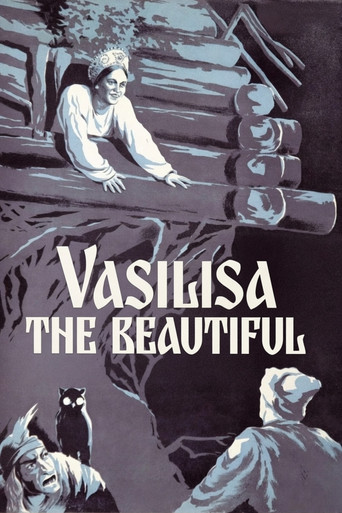 Vasilisa the Beautiful · 1940
Vasilisa the Beautiful
★ 6.61940
MovieFamilyFantasy
Russian folk tale about a father whose three sons go out to finds themselves brides. Two of the boys come home with perfectly normal girls, but the youngest brother, Ivanushka, brings home a frog from the marshes. His father finds this most curious, but what he does not know was that the frog was actually a beautiful girl named Vasilisa who was cursed by a magical serpent whom she refused to marry. Now Ivanushka must overcome tremendous obstacles to restore Vasilisa to her true form and free her from the serpent's spell.
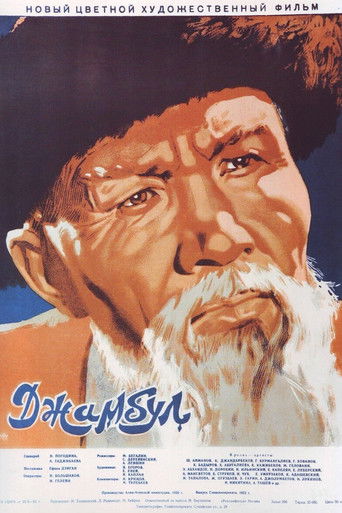 Zhambyl · 1953
Zhambyl
★ 8.01953
MovieDrama
The film tells about the life and work of the famous singer of the Kazakh people akyn Dzhambul Dzhabayev.
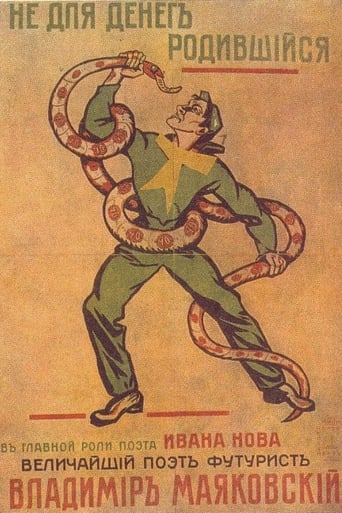 Born Not For Money · 1919
Born Not For Money
1919
MovieDrama
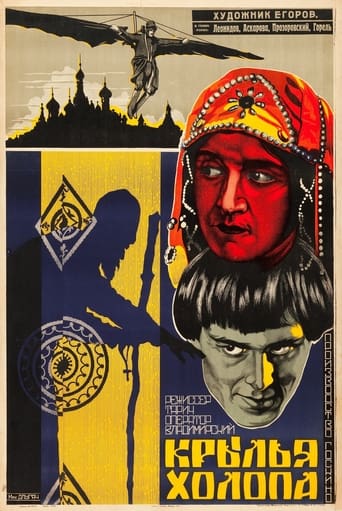 Wings of a Serf · 1926
Wings of a Serf
★ 5.01926
MovieDramaHistory
This SovKino production was a major early experiment in Soviet historical film about the oprichnina period of Muscovite history, combining the costumed drama and Gothic thrills of the genre with historical materialist commentary on the dialectical collision of scientific progress and patriarchal religious tyranny under Tsar Ivan the Terrible. It follows a self-taught inventor from the serf class Nikishka, whose efforts to build a flying machine incite accusations of witchcraft. Nikishka and his beloved Fima are persecuted by the feudal lord Kurlyatev, who took their village in a petty land squabble. They’re rescued when Kurlyatev’s lands are taken by the Tsar in his autocratic campaign against the feudal system. Ivan puts Nikishka to work in his linen mill, where the young serf is coveted by Tsarina Maria Temryukovna, who the Tsar’s been ignoring in favor of his cupbearer Feodor. A series of harrowing intrigues wind a bloody dance through bedchamber, feast hall, cathedral and dungeon.
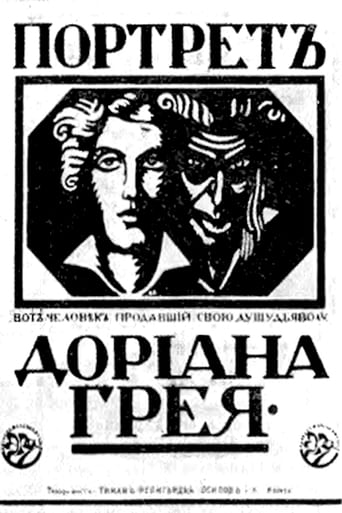 The Picture of Dorian Grey · 1915
The Picture of Dorian Grey
★ 6.21915
MovieDramaFantasy
A corrupt young man somehow keeps his youthful beauty, but a special painting gradually reveals his inner ugliness to all.
 The Strong Man · 1917
The Strong Man
1917
MovieDrama
An early film by Vsevolod Meyerhold.
 His Eyes · 1916
His Eyes
★ 7.01916
MovieDrama
Filmography
Sort
Zhambyl · 1953Zhambyl
★ 8.01953
MovieDrama
The film tells about the life and work of the famous singer of the Kazakh people akyn Dzhambul Dzhabayev.
Production Design
Born Not For Money · 1919Born Not For Money
1919
MovieDrama
Production Design
The Strong Man · 1917The Strong Man
1917
MovieDrama
An early film by Vsevolod Meyerhold.
Production Design
His Eyes · 1916His Eyes
★ 7.01916
MovieDrama
Production Design
 Thais · 1918
Thais
1918
MovieHistoryDrama
Production Design
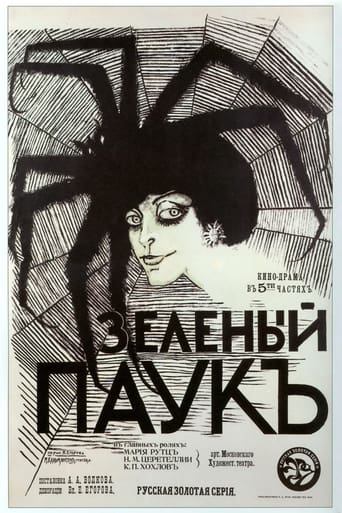 The Green Spider · 1916
The Green Spider
★ 8.01916
MovieDrama
Production Design
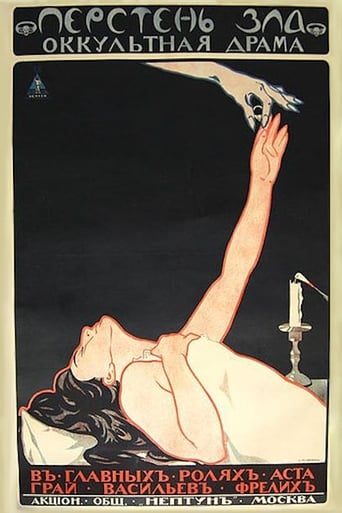 Ring of Evil · 1919
Ring of Evil
1919
MovieDramaMystery
Production Design

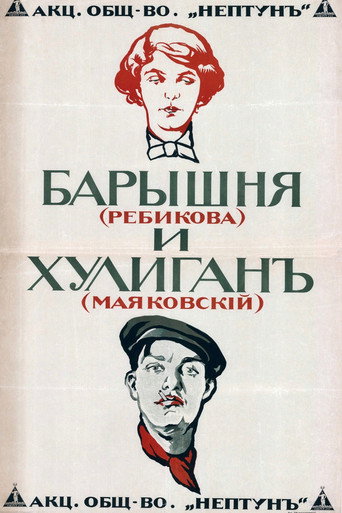
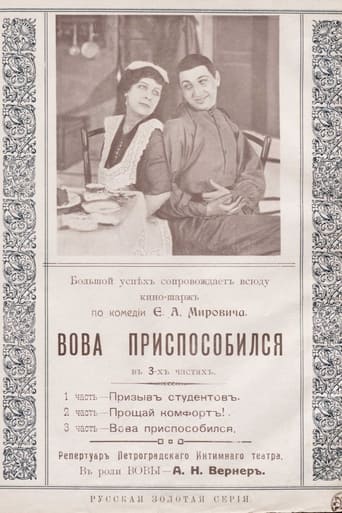 Vova Has Adapted · 1916
Vova Has Adapted
1916
MovieComedy
Production Design
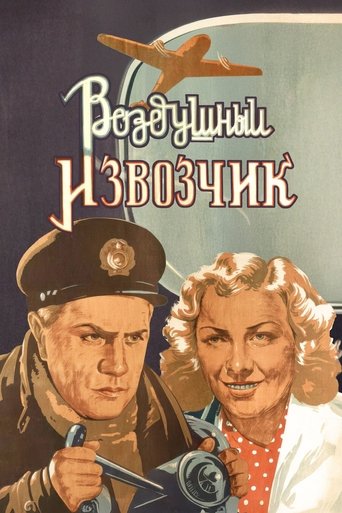 Air Taxi · 1943
Air Taxi
★ 5.71943
MovieComedyRomance
A musical romantic comedy set in Soviet Union during the first years of WWII.
Production Design
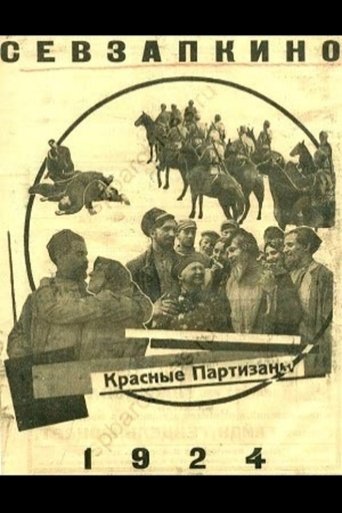 Red Partisans · 1924
Red Partisans
★ 9.01924
MovieDramaWar
Production Design