P
Acting
Parvaneh Navaï
No biography available.
Known For
 Maya · 1979
Maya
1979
MovieDocumentary
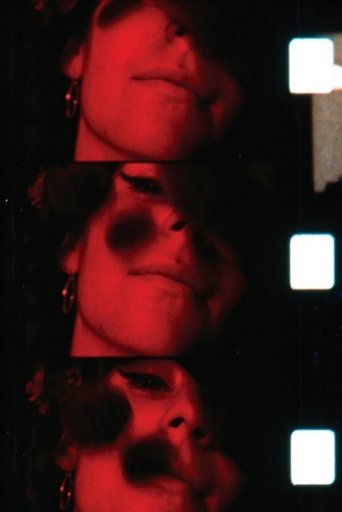
Hymn to nature, song to the cosmos, Mâyâ builds a world where the camera generates a new type of representation in which the depth of field is reduced to the essential. Everything happens, in a way, on the same surface.
 Selva. A Portrait of Parvaneh Navaï · 1982
Selva. A Portrait of Parvaneh Navaï
★ 10.01982
MovieDocumentary
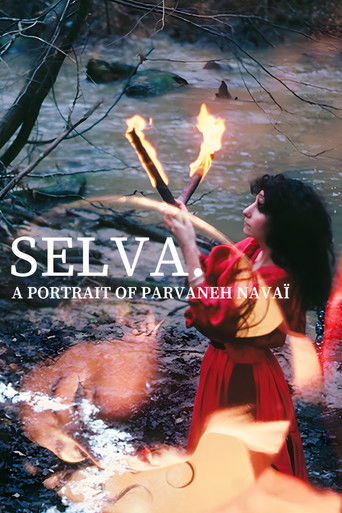
Trance dances and out of body projection. In front of the camera, Parvaneh Navaï becomes a mediator who enters in contact with and immerses into the energies of Nature, while her own energy radiates and echos in the forest ("selva"). The camera amplifies and expands her presence, transforming the forest into an imaginary space. The camera becomes a painter's brush.
 Chutes de Maya · 1984
Chutes de Maya
1984
Movie
Outtakes from Maya (1979).
 Le Cycle de l’Unheimlich · 1981
Le Cycle de l’Unheimlich
1981
Movie
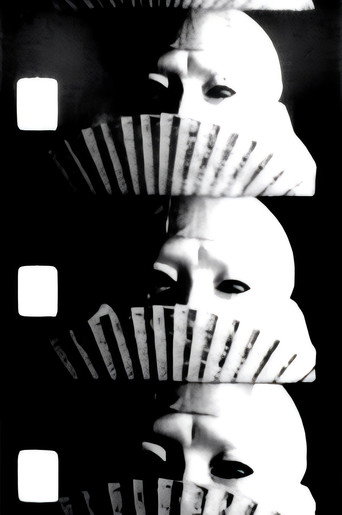
Primarily a trilogy and a complementary work, or an experimental tetralogical cycle by Maria Klonaris and Katerina Thomadaki, consisting of 4 films: Unheimlich I: Secret Dialogue, Unheimlich II: Astarti, Kha Uebertragung - Les embaumées, and Unheimlich III: Les Mères.
 Unheimlich II: Astarti · 1980
Unheimlich II: Astarti
1980
Movie
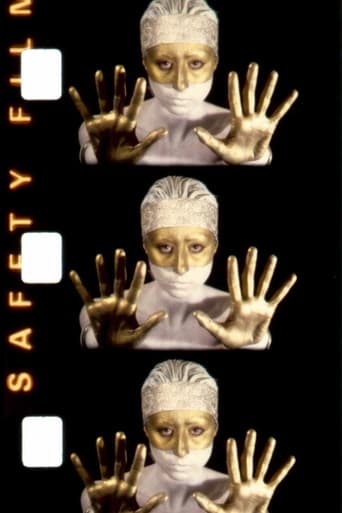
Astarti, the Greek name for Ishtar, is an archetype of a deep, nocturnal feminine that emerges from subterranean darkness. We experience an embodied cinematic experience realised through a sensuous aesthetic as we are invited to enter a strange and uncertain world of inner depths and hypnotising effects. There, we encounter three women actantes, embodied by the artists, who play mythic and magical female figures such as Medusa and Salome. They metamorphose, dance and enter trances where the body vibrates into transformation. Figures reveal themselves out of silence which is both the moment of creation and an eternal reality. The film itself actualises that which is inactual and gives form to blackness through a poetics of intimacy and an ethics of interpersonal relationships, which is founded in the artists’ own double authorship.
Filmography
Sort