Directing
Maria Klonaris
Born July 23, 1950 · Cairo, Egypt
Died January 13, 2014 · aged 63
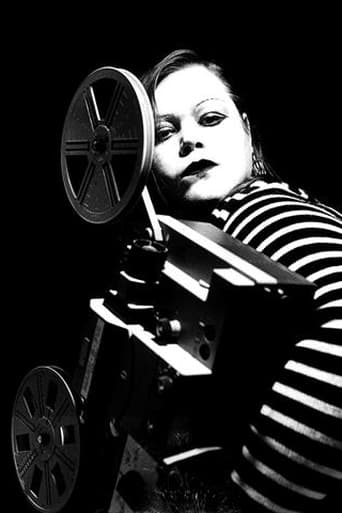
Maria Klonaris, born in Cairo, Egypt, has studied fine arts at the National School of Fine Arts Athens, English literature at the University of Athens, egyptology at the Ecole Pratique des Hautes Etudes, Paris, experimental film, art history and philosophy of art at the University Paris I, Sorbonne, computer graphics at the National School of Decorative Arts, Paris.
Known For
 Hôtel Artemis · 2000
Hôtel Artemis
2000
Movie
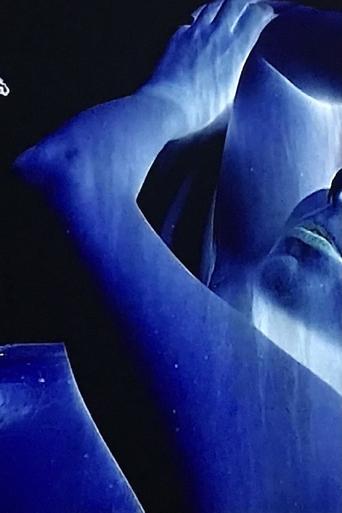
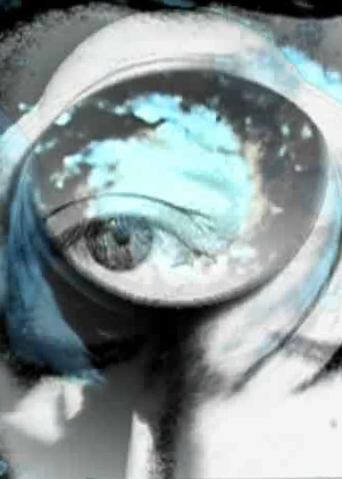
Portrait of Katerina in a hotel room by the sea. Her sunglasses reflect her body and Maria’ s camera in the mirror, thus revealing, albeit in a fragment, the relational principle of their cinema and of their double self-portraits. A constellation of stars crosses her skin. Everything is as blue as the sea and the universe. In this metamorphic alchemy, microcosm and macrocosm intertwine.
 La Torture · 2012
La Torture
2012
Movie
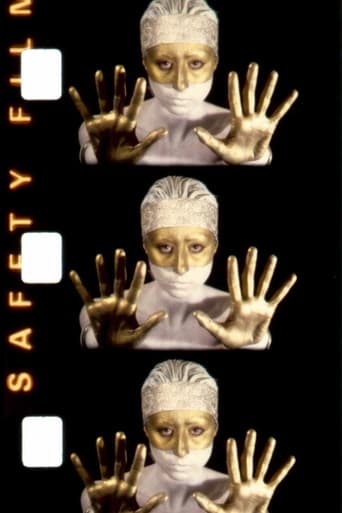
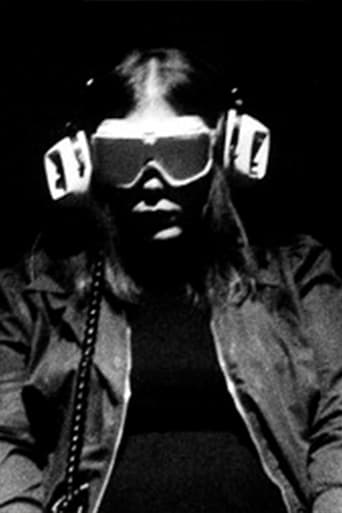
In 1976, Maria Klonaris and Katerina Thomadaki direct with the Collectif 010 in La Cartoucherie in Vincennes a 48-hour action, Torture, which is recorded on tape by Jean Roualdès. In 2012, after the digitization of the original video tapes by the Bibliothèque Nationale of France for the Klonaris/Thomadaki Archive, the two artists proceed to a reinterpretation of this document, highlighting the characteristics of the 1/2-inch video format. This video is a trace of a public performance, where bodies, even under constraint, blinded and gagged, manifest their protest power against coercion. This performance against torture is one of the first examples of the art of the body theorized by the two artists.
 Angel Scan · 2007
Angel Scan
2007
Movie
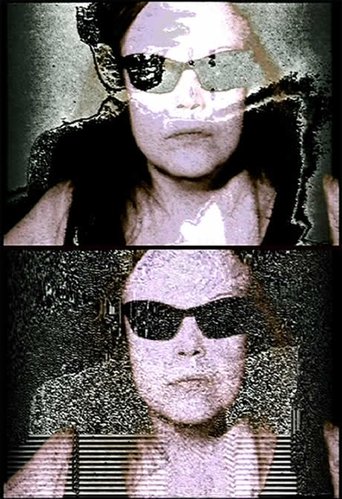
Angel Scan. "Trip" – but without substances – except the substances created by the brain when energy awakes as a creative conscience, accompanied by an intense experience of "light" and "darkness". Hustle and bustle, bombing of atoms, dance of electric particles animated of an ultra fast movement.Invisible units of infra-atomic energy, forms/colours which are characterized by their irradiating heat and by their attraction strength as well as their potential of sound/ vibratory energy.
 Double Labyrinthe · 1976
Double Labyrinthe
★ 6.51976
MovieDocumentary
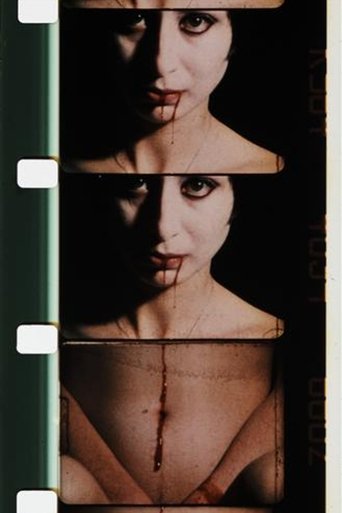
With this film-manifesto, the two artists invent what they called the Cinéma corporel (Cinema of the Body), they present themselves as a "double auteur femme" and they lay the foundations of the radical critical and esthetical positions of their work to come. Double Labyrinthe has a mirror structure based on their "mutual gaze": in the first part Katerina performs while filmed by Maria and in the second part Maria performs filmed by Katerina.
 Smoking · 2016
Smoking
2016
Movie
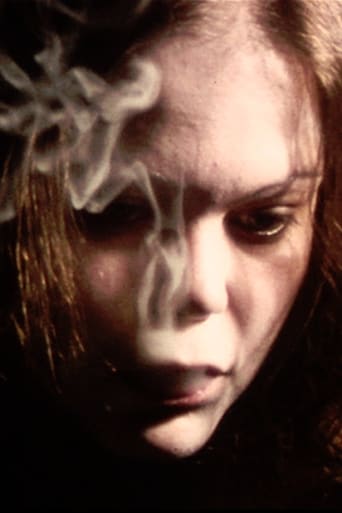
SMOKING is a brief portrait of Maria Klonaris composed of seven shots. Katerina Thomadaki completed it in 2016, two years after Maria Klonaris' passing, from rushes shot in 1975 at the time of the filming of DOUBLE LABYRINTHE. The Greek word that appears at the beginning of the film, μετείκασμα, signifies "meta-image" and refers to retinal persistence.
 Pulsar · 2001
Pulsar
★ 8.02001
Movie
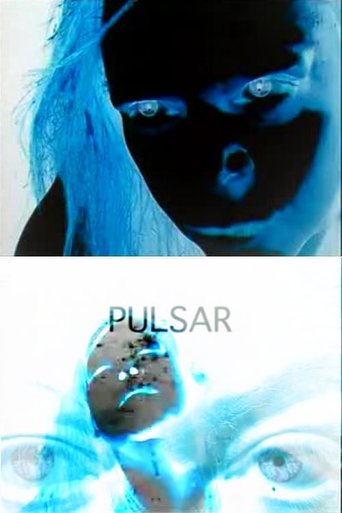
"Pulsar" belongs to "The Angel Cycle" ("Le Cycle de l´Ange"). In this cycle of works we create bonds between the human body and astronomical bodies. Maria Klonaris´ improvised performance is a negative dance which lies between pleasure and catastrophe, a black and blue body language which grapples with the white of the screen and the luminous suddenness of a firework display.
 Selva. A Portrait of Parvaneh Navaï · 1982
Selva. A Portrait of Parvaneh Navaï
★ 10.01982
MovieDocumentary
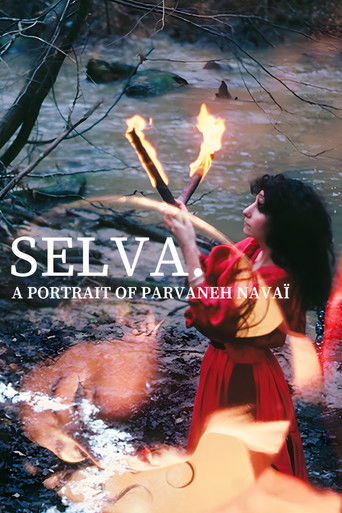
Trance dances and out of body projection. In front of the camera, Parvaneh Navaï becomes a mediator who enters in contact with and immerses into the energies of Nature, while her own energy radiates and echos in the forest ("selva"). The camera amplifies and expands her presence, transforming the forest into an imaginary space. The camera becomes a painter's brush.
 Myth-Historima · 1982
Myth-Historima
1982
Movie
Filmography
Sort

 Myrto · 1980
Myrto
1980
Movie
Director