Acting
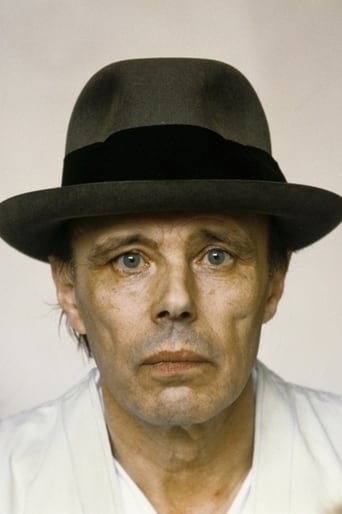
Joseph Beuys
Born May 12, 1921 · Krefeld, Germany
Died January 23, 1986 · aged 64
Joseph Beuys was a German artist, theorist and teacher who was highly influential in international contemporary art in the latter half of the 20th century. He is a founder of the art movement known as Fluxus, and a practitioner and exemplar of happenings, and performance art.
Known For
 Ludwig van · 1970
Ludwig van
★ 5.71970
MovieDocumentary
An odyssey through Beethoven’s lasting presence and influence in our modern world – viewed through the eyes of the composer himself.
 Laboratorium Anthology · 1999
Laboratorium Anthology
1999
MovieDocumentary
Scenes from the life and work at Anthology Film Archives. Much of the footage in this video was shot by Auguste Varkalis.
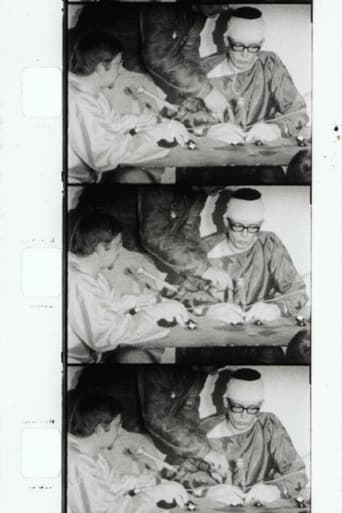 The Table · 1971
The Table
1971
Movie
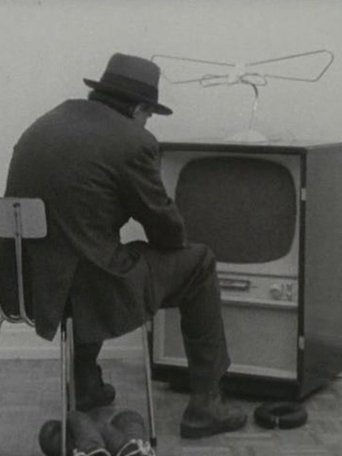 Felt TV · 1970
Felt TV
★ 1.01970
Movie
"As a contribution to Gerry Schum's 'Identifications', Beuys adapted for television the 'Felt TV' action previously staged for a live audience at a Happening festival in Copenhagen in 1966. It was the only Beuys action executed specifically for the camera. It opens with Beuys seated in front of a TV set showing a programme which is invisible because the screen is covered by felt. The boxing-gloves used later in the action lie at the ready beneath his chair."
 Transsibirische Bahn · 1970
Transsibirische Bahn
1970
Movie
A short film about an installation of the same name created by Joseph Beuys between 1961 and 1969, as well as an action of the same name that Beuys performed in February 1970 on the occasion of his exhibition "Tabernacle" at the Louisiana Museum of Modern Art in Humlebæk.
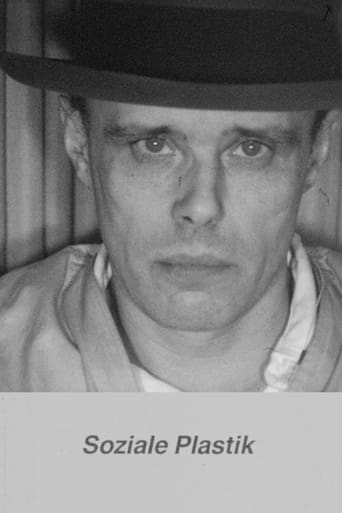 Social Sculpture · 1969
Social Sculpture
★ 7.01969
Movie
"Social Sculpture" was filmed in 1969 subsequently after the filming of "400 m IFF". IFF is the name of the available film material, that was already expired, from which approximately 400 m were used for "400 m IFF" and the rest for "Social Sculpture". In "400 m IFF" three men appear in front of the filming camera in the apartment of the author. With Joseph Beuys this situation had been appointed, the other two visitors came by chance before him and played instinctively. "They all noticed the exceptional situation, but could not count on the sovereignty to carry out their point. And even during the operations on the screen, the viewer becomes a participant who cannot avoid the question of how he would have behaved in the same situation."
 I like America and America likes Me · 1974
I like America and America likes Me
1974
Movie
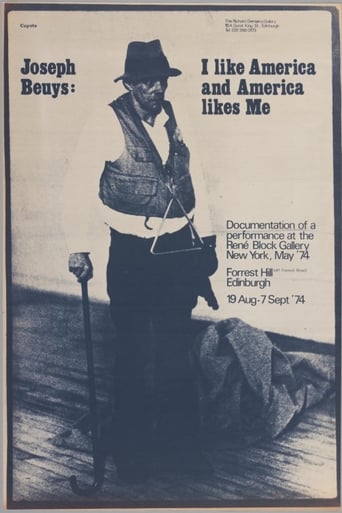
In May 1974 Joseph Beuys flew to New York and was taken by ambulance to the site of the performance, a room in the René Block Gallery at 409 West Broadway. Beuys lay on the ambulance stretcher swathed in felt. He shared this room with a coyote, for eight hours over three days.
 Re: Maciunas and Fluxus · 2011
Re: Maciunas and Fluxus
2011
MovieDocumentary
“Drawing on his personal archives, Mekas has assembled a Fluxus vaudeville starring Yoko Ono, Joseph Beuys, and the late Nam June Paik. Most of the material is relatively recent although Ben Vautieur shows some early 1960s work to hilarious effect and Mekas channels Fluxus founder George Maciunas throughout.” – J. Hoberman, VILLAGE VOICE
Filmography
Sort