N
Directing
Nobuhiro Kawanaka
Born in Tokyo in 1941. Began making 8mm films in the early 1960s, and in 1968 took part in the formation of Japan’s first filmmaking association based on individuals. Oversaw the foundation of the organization that would later become Image Forum in 1970. Began to hold regular screenings of experimental films. Has produced a total of 100 short and feature-length works to date, throughout which he h…
Known For
 Switch Back · 1976
Switch Back
1976
Movie
A nostalgic work, which attempts to reconstruct the materials of postwar 35 mm newsreel footage given by the filmmakers’ friend and old tinted picture postcards. He frankly describes in his own coherent style of filmmaking how he was moved when he saw these films and photographs for the first time. An attempt to rediscover fresh and new images in the past products.
 Discovery of Image – The Era of Toshio Matsumoto · 2017
Discovery of Image – The Era of Toshio Matsumoto
2017
MovieDocumentary
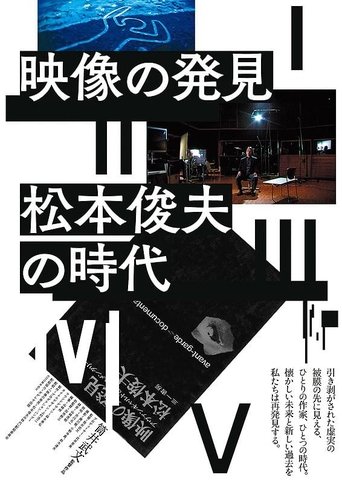
A five-part documentary chronicling Toshio Matsumoto, the legendary filmmaker known as a pioneer of experimental cinema in Japan and also active as a film theorist, who exerted a profound influence on innovative film expression from the 1950s onward. Directed by filmmaker and critic Takefumi Tsutsui—himself both a filmmaker and critic like Matsumoto—the project was filmed over the course of ten years. Interweaving excerpts from Matsumoto’s works with an extensive series of interviews with collaborators and critics, the documentary retraces, through the figure of Matsumoto, the tumultuous decades from the 1950s to the 2000s across five parts, totaling 700 minutes.
 Feedback · 1973
Feedback
1973
Movie
Photographs of a nude, arranged into stop-motion sequences on the left half of the screen, are juxtaposed with a close-up of the film itself passing in front of a viewer, gradually revealed on the right half of the screen.
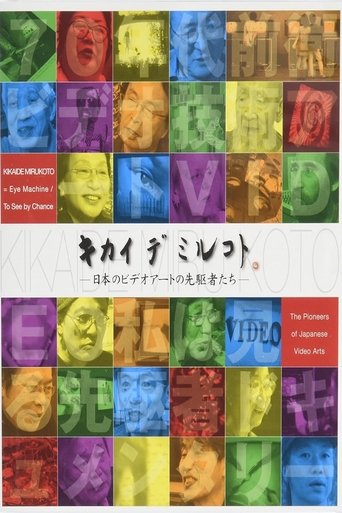 KIKAIDE MIRUKOTO = Eye Machine / To See by Chance –The Pioneers of Japanese Video Arts– · 2013
KIKAIDE MIRUKOTO = Eye Machine / To See by Chance –The Pioneers of Japanese Video Arts–
2013
MovieDocumentary
Video began as a medium that inspired discovery. This art documentary traces the expressive roots of “media art” in Japan — works of video, performances, and installations created using video technology that allowed for free and creative visual expression.
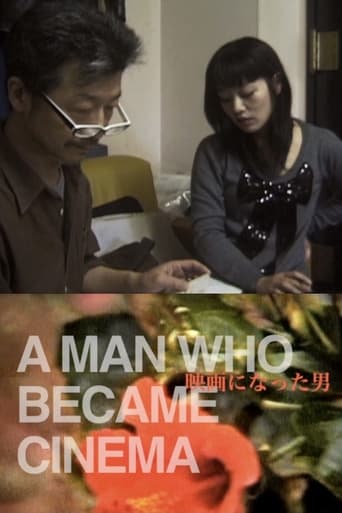 A Man Who Became Cinema · 2018
A Man Who Became Cinema
2018
MovieDocumentary
Masato Hara made his directorial debut in high school in 1968 and achieved a reputation as a young prodigy. Many years later, he continues to make films and show his old experimental 'live-screening' films, but is saddled with massive debts. This film follows eight years in his life.
 Crossroads Crisis · 2012
Crossroads Crisis
2012
Movie
Video short by Japanese filmmaker Nobuhiro Kawanaka, premiered at the Image Forum Festival in 2012.
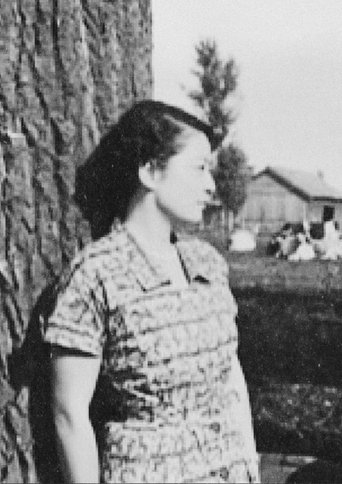 Eizō Shokan 10 · 2005
Eizō Shokan 10
2005
Movie
Lately, I cannot help thinking; “What if the gods created life and death by mistake?” I find it odd that as I age, my body withers. If, as I slip into old age, my heart becomes young, then it would be appropriate if my body could follow suit. Wouldn’t it be nice if humans were born elderly, and in reverse, died of old age in an infant’s body?. (Hagiwara Sakumi)
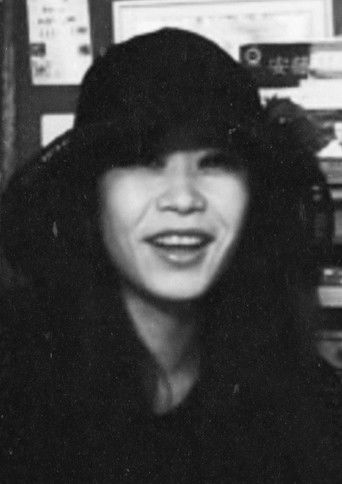 Shinjuku Legend: Nagisa Yoko Shinjuku Koma Gewa-gewa Recital · 2009
Shinjuku Legend: Nagisa Yoko Shinjuku Koma Gewa-gewa Recital
2009
Movie
Since she was a little girl, Nagisa Yoko had two dreams: one was to have a song written for her by Aku Yu; the other was to sing at the Shinjuku Koma Theater. Aku Yu had already had written an original song for her. When Nagisa heard that the Shinjuku Koma Theater was to close down, she decided that she would have to rent the hall herself, in order to realize her dream. The concert was a great success, aided by many of her friends, including Wakamatsu Koji, Yamaya Hatsuo, Naito Chin, and Mikami Kan, who grew up in Shinjuku. Director Kawanaka Nobuhiro has fond memories from decades ago, when he was delivering milk and had a chance to talk with the Shinkokugeki actor Ogata Ken in the Shinjuku Koma Theater dressing room. He returns to that room in this film.
Filmography
Sort
 Playback · 1973
Playback
1973
Movie
Director