P
Directing
Peter Sykes
Born June 17, 1939 · Melbourne, Victoria, Australia
Died March 1, 2006 · aged 66
From Wikipedia, the free encyclopedia. Peter Sykes was an Australian television and film director who worked primarily in the United Kingdom. Sykes was born in Melbourne and worked as a dancer, then as an assistant director on documentaries and children's shows on Australian television. He moved to London in 1963. Description above from the Wikipedia article Peter Sykes (director), licensed un…
Known For
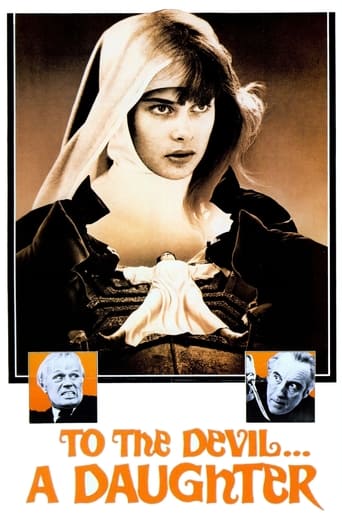 To the Devil a Daughter · 1976
To the Devil a Daughter
★ 5.51976
MovieHorror
An American occult novelist battles to save the soul of a young girl from a group of Satanists, led by an excommunicated priest, who plan on using her as the representative of the Devil on Earth.
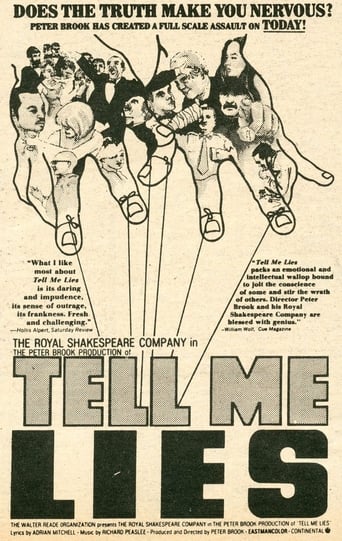 Tell Me Lies · 1968
Tell Me Lies
★ 6.41968
MovieDramaDocumentary
Adapted and directed by Peter Brook from the Royal Shakespeare Company’s ‘production-in-progress US’, this long-unseen agitprop drama-doc – shot in London in 1967 and released only briefly in the UK and New York at the height of the Vietnam War – remains both thought-provoking and disturbing. A theatrical and cinematic social comment on US intervention in Vietnam, Brook’s film also reveals a 1960s London where art, theatre and political protest actively collude and where a young Glenda Jackson and RSC icons such as Peggy Ashcroft and Paul Scofield feature prominently on the front line. Multi-layered scenarios staged by Brook combine with newsreel footage, demonstrations, satirical songs and skits to illustrate the intensity of anti-war opinion within London’s artistic and intellectual community.
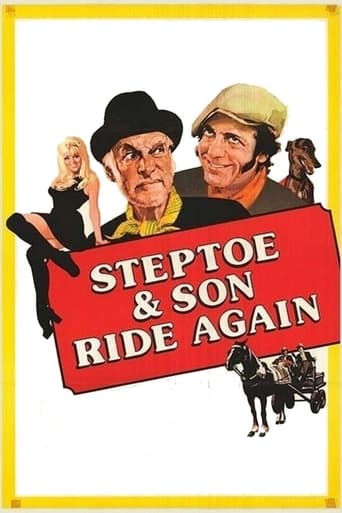 Steptoe & Son Ride Again · 1973
Steptoe & Son Ride Again
★ 6.71973
MovieDramaComedy
Albert Steptoe and his son Harold are rag-and-bone men, complete with horse and cart to tour the neighbourhood. They also live amicably together at the junk yard. Always on the lookout for ways to improve his lot, Harold invests his father's life savings in a greyhound who is almost blind and can't see the hare. When the dog loses a race and Harold has to pay off the debt, he comes up with another bright idea. Collect his father's life insurance. To do this his father must pretend to be dead.
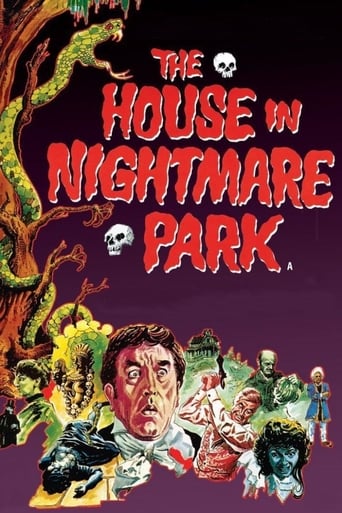 The House in Nightmare Park · 1973
The House in Nightmare Park
★ 6.81973
MovieComedyHorror
Comedy legend Frankie Howerd stars as the victim of sinister shenanigans in this hilarious spoof of British horror films of the early ‘70s. Starring Hugh Burden and Oscar winner Ray Milland, and written by Terry Nation. Foster Twelvetrees, a struggling tragedian who scrapes a living by giving hammy performances from the classics, can hardly believe his luck when he’s invited to give a dramatic reading at the country home of a well-off family. Joy soon turns to outraged horror when he discovers dead bodies, foul intentions, lots of snakes and a madwoman in the attic. Can he uncover the hidden family secret before he comes to a sticky end..?
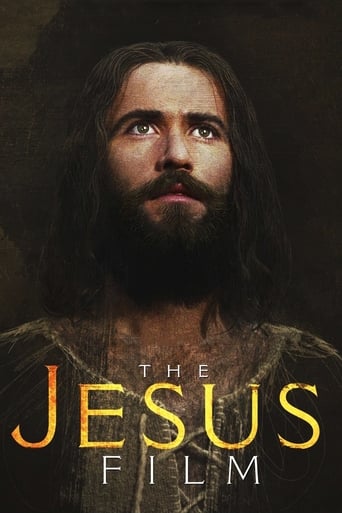 Jesus · 1979
Jesus
★ 8.31979
MovieDrama
Three and a half years of Jesus' ministry, as told in the Gospel of Luke.
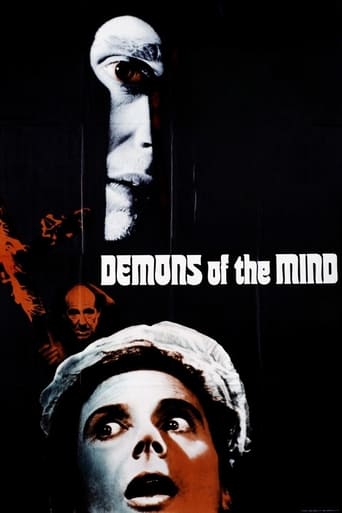 Demons of the Mind · 1972
Demons of the Mind
★ 5.31972
MovieHorrorThriller
A physician discovers that two children are being kept virtually imprisoned in their house by their father. He investigates, and discovers a web of sex, incest and satanic possession.
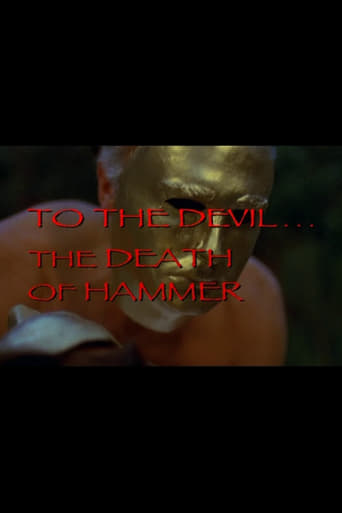 To the Devil... The Death of Hammer · 2002
To the Devil... The Death of Hammer
★ 9.02002
MovieDocumentary
A short retrospective documentary looking at the making of the final Hammer Films production of the 1970s, "To the Devil a Daughter."
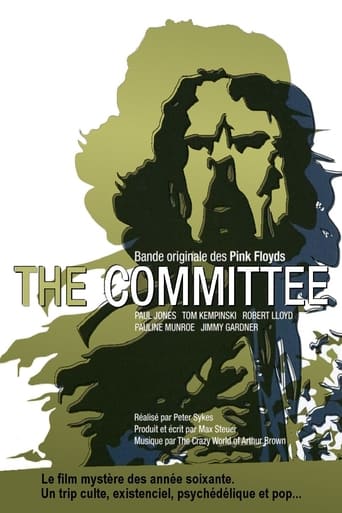 The Committee · 1968
The Committee
★ 5.41968
MovieDramaFantasy
The Committee, starring Paul Jones of Manfred Mann fame, is a unique document of Britain in the 1960s. After a very successful run in London’s West End in 1968, viewings of this controversial movie have been few and far between. Stunning black and white camera work by Ian Wilson brings to life this “chilling fable” by Max Steuer, a lecturer (now Reader Emeritus) at the London School of Economics. Avoiding easy answers, The Committee uses a surreal murder to explore the tension and conflict between bureaucracy on one side, and individual freedom on the other. Many films, such as Total Recall, Fahrenheit 451 and Camus’ The Stranger, see the state as ignorant and repressive, and pass over the inevitable weaknesses lying deep in individuals. Drawing on the ideas of R.D. Laing, a psychologically hip state faces an all too human protagonist.