Directing
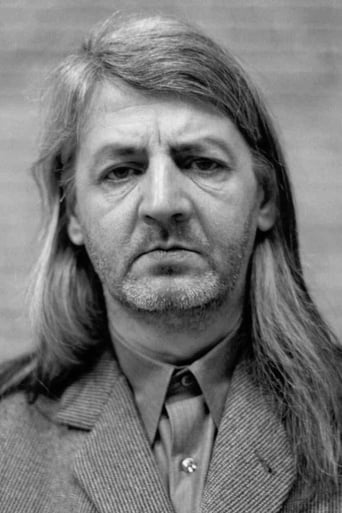
Jan Decorte
Born May 9, 1950 · Wilrijk, Belgium (age 76)
No biography available.
Known For
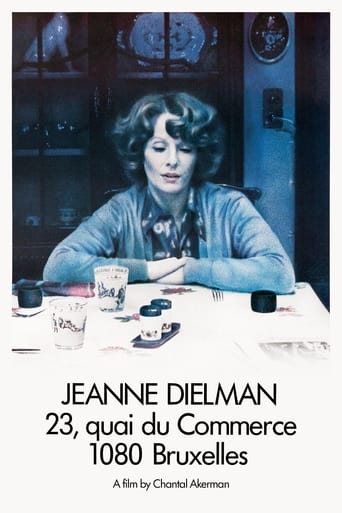 Jeanne Dielman, 23, quai du Commerce, 1080 Bruxelles · 1976
Jeanne Dielman, 23, quai du Commerce, 1080 Bruxelles
★ 7.41976
MovieDrama
A lonely young widow lives with her son following an immutable order: while the boy is in school, she cares for their apartment, does chores, and receives clients in the afternoon.
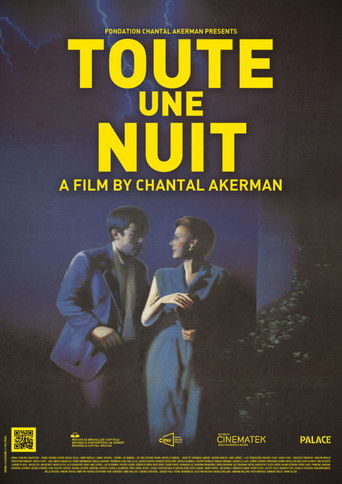 Toute une nuit · 1982
Toute une nuit
★ 6.61982
MovieDramaRomance
Following over two dozen different individuals in the almost wordless atmosphere of a dark night in a Brussels town, acceptance and rejection in the realm of romance is examined.
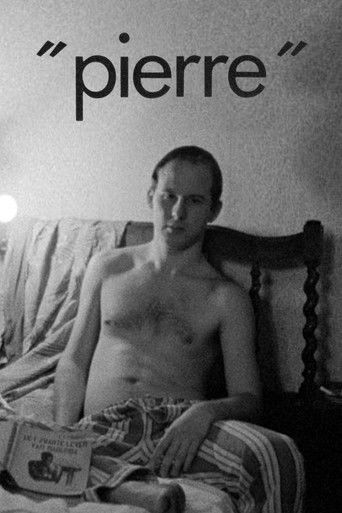 Pierre · 1977
Pierre
★ 7.01977
MovieDrama
Pierre lives with his mother in an antiquated house in a run-down working-class area. Every morning, Pierre takes the tram to his job at the town hall, where he listens to his colleagues' jokes over the lunch break. His only hope of banishing his boredom and frustration is a girl from the gymnastics club. One evening, when his mother is out of the house, he decides to invite her into his home [Avila].
 Les variations Dielman · 2010
Les variations Dielman
2010
MovieDocumentary
Found footage using Chantal Akerman's Jeanne Dielman.
 Energy of Delusion · 2015
Energy of Delusion
2015
Movie
My aim is to create a highly compressed museum of cinema, consisting of some of the most notoriously engaging, difficult, and lengthy works of film history—those nearly invisible works that explore the limit conditions of film. Works that have become invisible precisely because of their status as “classics.” The experiment is to see just what comes to light when these works are compressed into a familiar yet brief span of time, where one might hold the whole film in memory at once, or refresh one’s memory in a Proustian rush of images, or simply experience that energy of delusion.
 Hedda Gabler · 1978
Hedda Gabler
★ 8.01978
MovieDrama
Jan Decorte's second feature film is an adaptation of the play Hedda Gabler by Norwegian playwright Henrik Ibsen. Decorte moved the locus of action of Ibsen's realistic play from 1890 to 1950, twenty-eight years earlier than when the film was shot. The story begins when Hedda returns home from an overly long honeymoon with her newly wed but colourless husband Tesman. She is pregnant and will be courted by the writer Eljert Lövbor, an old lover who is about to break through with an exceptional novel of autobiographical quality [Avila].
Filmography
Sort
Les variations Dielman · 2010Les variations Dielman
2010
MovieDocumentary
Found footage using Chantal Akerman's Jeanne Dielman.
Sylvain Dielman (archive footage)