Directing
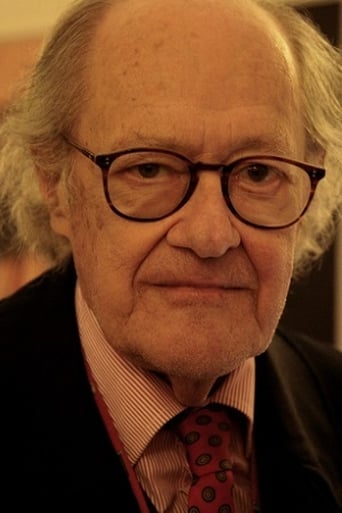
Ugo Gregoretti
Born September 28, 1930 · Rome, Italy
Died July 5, 2019 · aged 88
Ugo Gregoretti (born 28 September 1930) is an Italian film, television and stage director, actor, screenwriter, author and television host. Born in Rome, Gregoretti entered RAI in 1953, working as a documentarist and a director. In 1960 he won the Premio Italia Award for the television documentary La Sicilia del Gattopardo. In 1962 he made his film debut with the comedy-drama I nuovi angeli. Sinc…
Known For
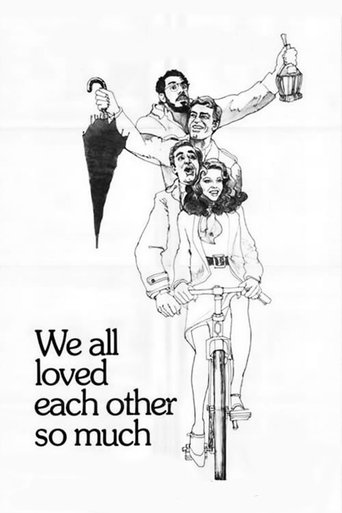 We All Loved Each Other So Much · 1974
We All Loved Each Other So Much
★ 8.31974
MovieDramaComedy
Three partisans bound by a strong friendship return home after the war, but the clash with everyday reality puts a strain on their bond.
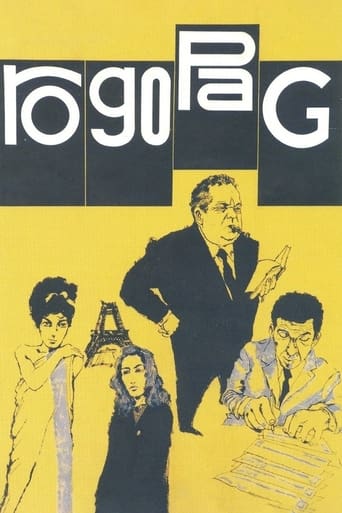 Ro.Go.Pa.G. · 1963
Ro.Go.Pa.G.
★ 7.21963
MovieComedyDrama
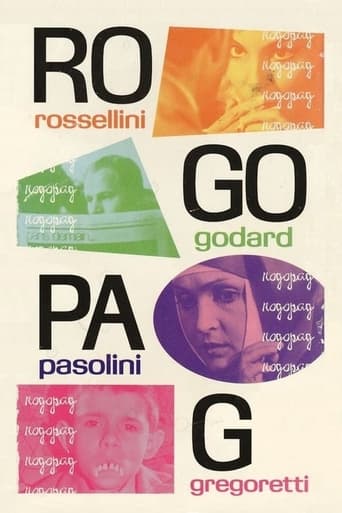
Four short films by four different directors dealing with the principles of modern life. "Illibatezza" (Rossellini): The hostess Anna Maria, to dissuade an aggressive suitor who prefers maternal tendencies, assumes an unscrupulous attitude, obeying the suggestions of her distant boyfriend. "The New World" (Godard): The deflagration of an atomic bomb causes strange effects on the inhabitants of a city. "La ricotta" (Pasolini): During the filming of a film about a religious subject, the extra Stracci dies hanging on the cross due to an indigestion of ricotta. "Il pollo spante" (Gregoretti): While an expert illustrates to a board of merchants the most modern techniques to increase sales through the discovery of the secret self of the average consumer, the human story of a bourgeois who, following these suggestions, focuses on the purchase of a plot of land in the countryside.
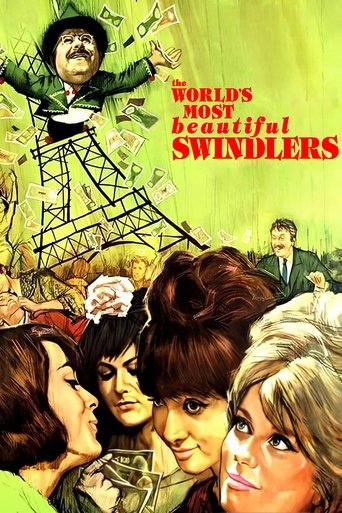 The World's Most Beautiful Swindlers · 1964
The World's Most Beautiful Swindlers
★ 5.41964
MovieCrimeComedy
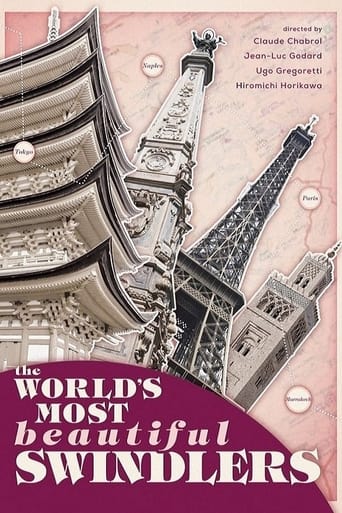
Five swindle stories, taking place in five international cities: Tokyo, Japan ("Fumiko's Five Benefactors" by Hiromichi Horikawa); Amsterdam, The Netherlands ("A River of Diamonds" by Roman Polanski); Naples, Italy ("The Road Map" by Ugo Gregoretti); Paris, France ("The Man Who Sold the Eiffel Tower" by Claude Chabrol); and Marrakesh, Morocco ("The Confidence Man" by Jean-Luc Godard). Godard's segment was not included in the original French cinema release, and Polanski's segment was not included on the 2016 home disc release.
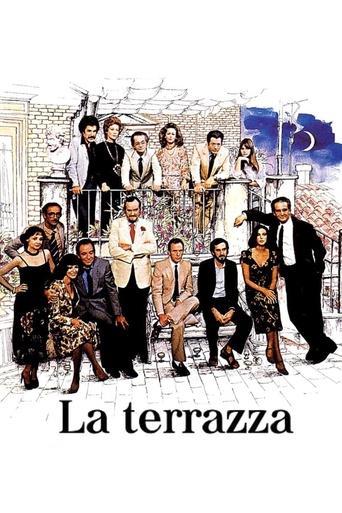 The Terrace · 1980
The Terrace
★ 7.21980
MovieDrama
Eight Italian politicians from the communist party gather on a terrace in Rome for a get-together. They discuss about their past, present and future.
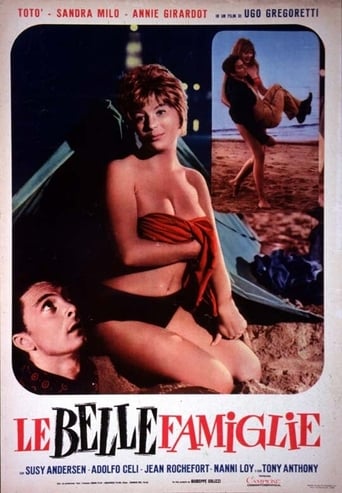 Beautiful Families · 1964
Beautiful Families
★ 6.71964
MovieComedy
The film's theme is four episodes that offer the public a glimpse into the lives of rich and poor families in Italy in the 1960s.
 Rita the American Girl · 1965
Rita the American Girl
★ 5.61965
MovieComedy
Professor Serafino Benvenuti is a master of classical music who has the passion of the orchestra director. However, the young audience of the 60 does not appreciate classical composers like Mozart or Beethoven, and so Serafino is likely to have compromised his image as a director. One day Serafino receives the news that his adopted daughter Rita is about to return to Italy from America, where she is studying. Serafino is very happy, because at least he can teach her the real music. However, Rita is deeply grown and changed: she follows the musical patterns of her time: the rock music and blues. Serafino gets very angry, especially when he discovers that his daughter falls in love with a young man, a member of a band called "The Rockets.
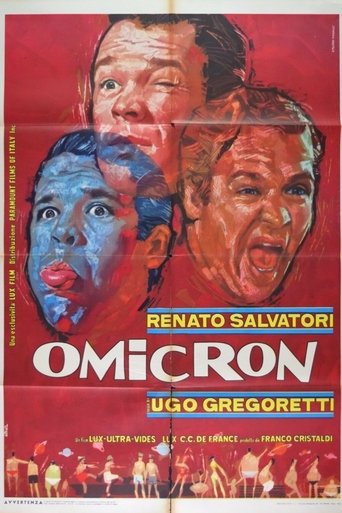 Omicron · 1963
Omicron
★ 6.61963
MovieScience FictionComedy
An alien takes over the body of a factory worker in order to learn about Earth so his race can take it over.
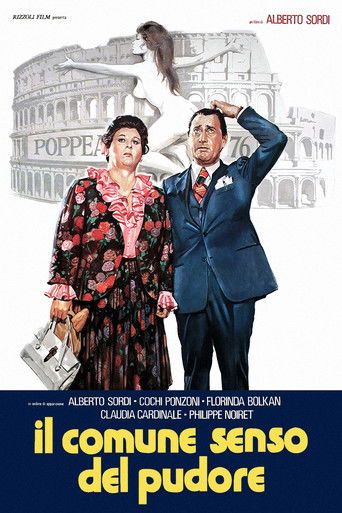 A Common Sense of Modesty · 1976
A Common Sense of Modesty
★ 5.81976
MovieComedy
The film is divided into four episodes that blends sex and comedy.