Directing
Vivienne Dick
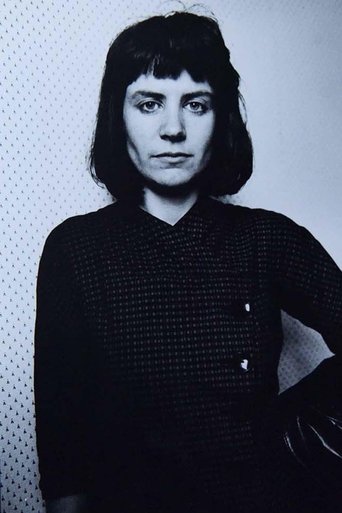
Vivienne Dick is an Irish feminist experimental and documentary filmmaker. Her 2014 fllm, The Irreducible Difference of the Other, acknowledges her longstanding interest in Luce Irigaray. Her early films helped define the No Wave scene.
Known For
 Augenblick · 2017
Augenblick
★ 7.02017
Movie
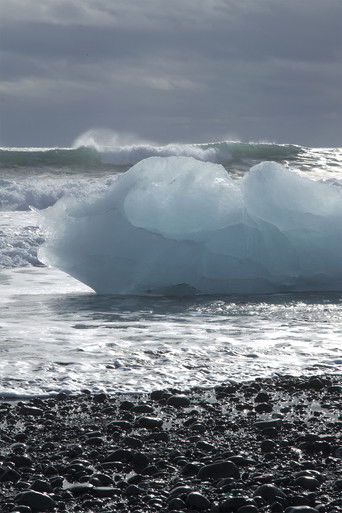
Augenblick reflects on what it means to be human in a post-human world. Moving from The Age of Enlightenment into a digital world, what becomes of out relationship to each other and to the earth?
 Confessions to the Mirror · 2016
Confessions to the Mirror
2016
Movie
A sumptuous and passionate reimagining of Claude Cahun's life.
 Guerillère Talks · 1978
Guerillère Talks
★ 7.11978
MovieDocumentary
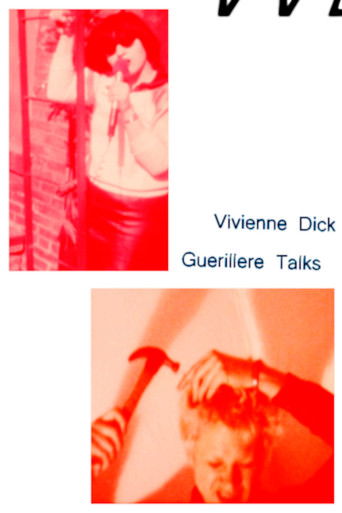
This experimental short consists of eight unedited rolls of super-8 film, each of which profiles an individual woman in real time. The women engage in everyday behaviour, such as playing pinball or reading a letter aloud.
 The Ballad of Sexual Dependency · 1985
The Ballad of Sexual Dependency
1985
MovieDocumentary
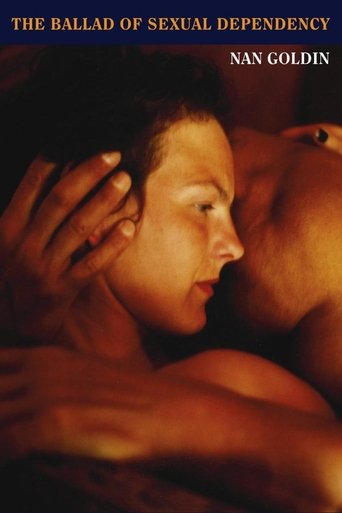
Nan Goldin's slide show “The Ballad of Sexual Dependency” converted, mixed and screened as a film by the artist, portraying the American underground culture, the no wave scene, post-Stonewall gay subculture, among others.
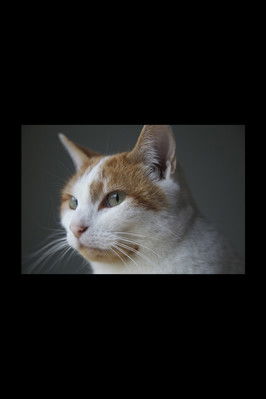 Felis Catus · 2016
Felis Catus
2016
Movie
A short film about a domestic cat which also comments on homo sapiens, the most predatory and destructive animal on earth.
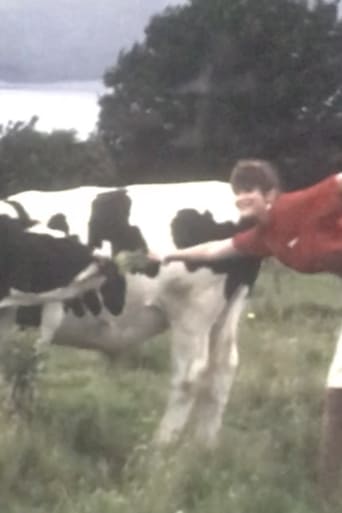 Visibility: Moderate · 1981
Visibility: Moderate
1981
Movie
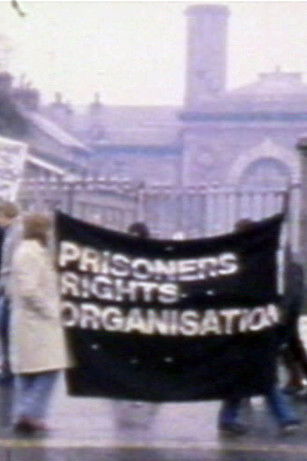
Vivienne Dick's first film after the New York series takes her back to her native Ireland. Using Super-8 film as a parody of the 'travelogue' or home-movie style film, Dick takes a expatriate, tourist look at her homeland. The narrative follows Margaret Ann Irinsky as the American tourist trekking from a Dublin populated by Hare Krishnas and rock music, to the horse-drawn carriages in the west of Ireland and the kissing of the Blarney stone. The quaint perception of Ireland and the Americanization of the native culture are contrasted with interviews from sectarian prisoners and footage of political marches. As in all her work, Dick uses a mixture of verité shots which capture the essence of the locality and intersperses them with images which have a totally different feel. This method is used to highlight issues in a subtle way wherein the camera takes an active rather than a voyeuristic role.
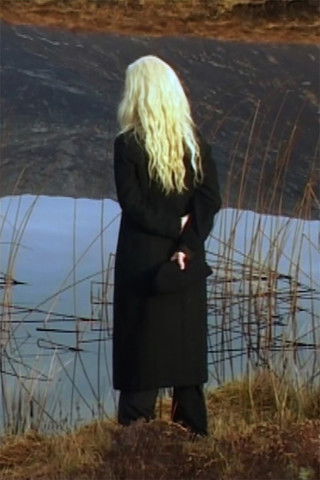 The Irreducible Difference of the Other · 2013
The Irreducible Difference of the Other
2013
Movie
"This experimental film embodies an implicit critique of the male paradigm where the fetishisation of property and privilege has resulted in a global ethical deficit."
 Empty Suitcases · 1980
Empty Suitcases
★ 5.11980
MovieDrama
Bette Gordon describes her first feature film as “a narrative derived from film’s own material and my concern for exploring issues of representation and identification in cinema."
Filmography
Sort