
Writing
Louis Paul Boon
Born March 15, 1912 · Aalst, Belgium
Died May 10, 1979 · aged 67
Louis Paul Boon (1912–1979) was a Belgian writer, poet, painter and art critic. He is best known for the novels My Little War (1947), the diptych Chapel Road (1953) / Summer in Termuren (1956), Menuet (1955) and Pieter Daens (1971). At the outbreak of World War II in May 1940, Boon was sent to Veldwezelt in order to defend the Albert Canal. He was, however, captured on the first day and spent a f…
Known For
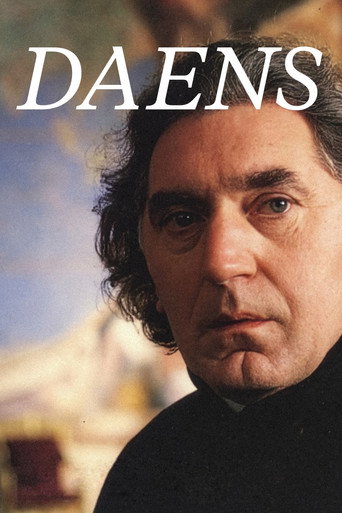 Daens · 1992
Daens
★ 7.11992
MovieDramaHistory
Father Daens returns to Aalst, where workers suffer from poverty, child labor, and exploitation in the textile industry. Driven by his sense of justice, he takes their side, even if it means confronting the church and the upper class. A detailed historical drama about the fight for justice.
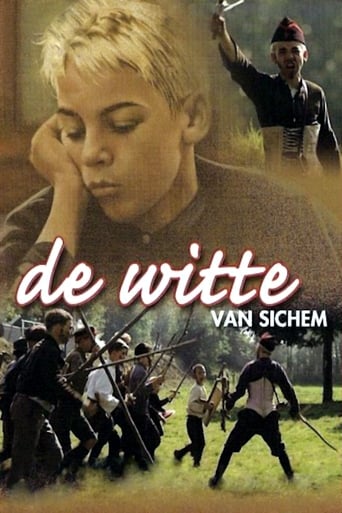 Whitey · 1980
Whitey
★ 5.11980
MovieDrama
The second movie version, now in color, of Flemish (heimat-)author Ernest Claes' classical novel, titled after the nickname (Dutch 'the White', referring to a blond male) of the main character. The smart but naughty farmhands son's eternal mischief, pranks and disobedience drive his elders (especially teachers, family and father's grumpy employer, a rich farmer, but also neighbors and even the kind curate whose liturgical server he is) and classmates to despair in a time when a boy's punishment was still inevitable, swift and often severe; thus when his mother catches him skinny dipping she takes all his clothes home, forcing him to a long walk of shame, dreading dad's wrath all the way. This version also stresses the story's social and Flamingant aspects.
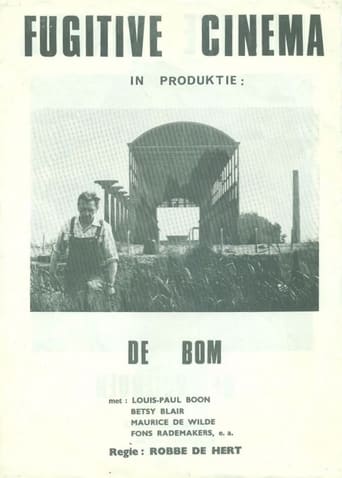 De Bom (of het wanhoopskomitee) · 1969
De Bom (of het wanhoopskomitee)
1969
MovieDrama
One day a garage owner finds an atomic bomb that has been lost by an airplane. He hides the bomb and shakes the country when he announces that he will not return the bomb until the production of such weapons of destruction is stopped.
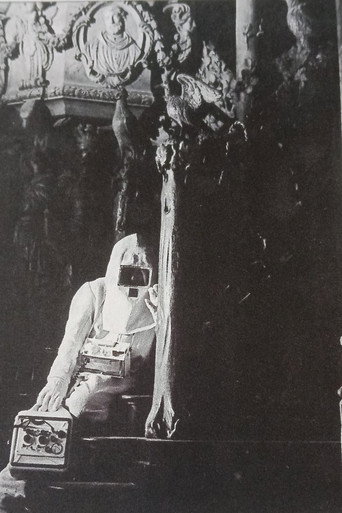 Gejaagd door de winst (of het A.B.C. van de moderne samenleving) · 1977
Gejaagd door de winst (of het A.B.C. van de moderne samenleving)
★ 10.01977
MovieDrama
A three independent parts sci-fi drama. In the first, entitled The Bomb, a story of a garage mechanic is told who finds an atomic bomb by accident. The second part, entitled The Last Judgment, deals with the consequences of a military convoy carrying biological weapons going mad. In the third part, entitled Experts Of Evil, there is an accident at a chemical plant when a,pressurized container with dioxin explodes resulting in leakage.
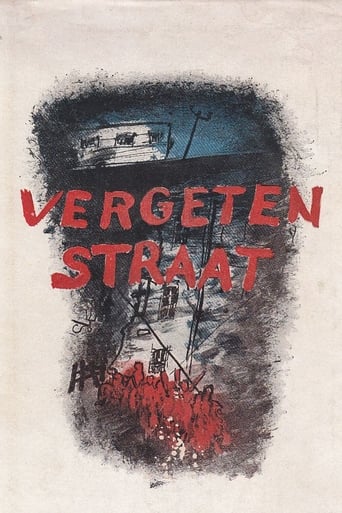 Forgotten Street · 1999
Forgotten Street
★ 4.71999
MovieDramaRomance
Feature based on the novel with the same name by the Flemish writer Louis Paul Boon. The celebrated author lives in a cul de sac threatened with demolition. He observes his neighbors in their struggle against the threat that leads to selfishness, individualism and resignation. The writer invents a new street that is outside the new world.
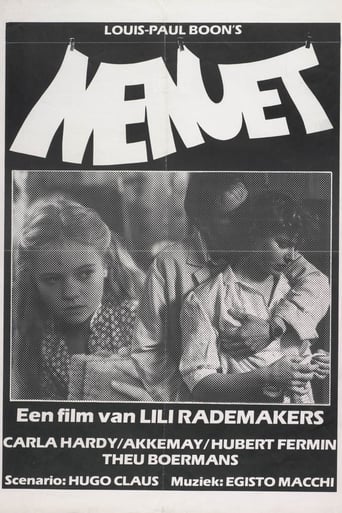 Minuet · 1982
Minuet
★ 7.01982
MovieDrama
A factory worker is employed in the desolate, cold-storage cellars of a brewery. His spare time he devotes to collecting romantic images of wild flowers and sticking newspaper cuttings in an album, demonstrating a preference for more gruesome stories. Murders, rapes and acts of violence are the events which accompany his everyday existence and invest it with a tinge of color.
Filmography
Sort