S
Acting
Saburō Sawai
No biography available.
Known For
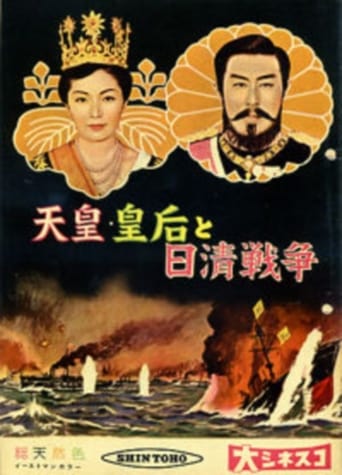
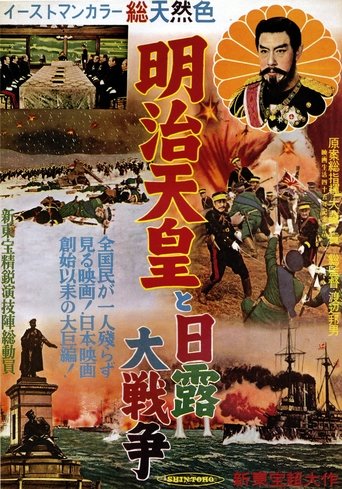 Emperor Meiji and the Great Russo-Japanese War · 1957
Emperor Meiji and the Great Russo-Japanese War
★ 8.01957
MovieHistoryWar
Meiji Tenno portrays the buildup to the Russo-Japan War. In addition to showing the political events that led to war, it also shows the era from the story of a farm family in rural Japan that sends their son off to war. As such, it could be considered an anti-war movie, showing how, while war is devised by governments, the people do not really understand what war is, and its combatants often do not know what they are fighting for.
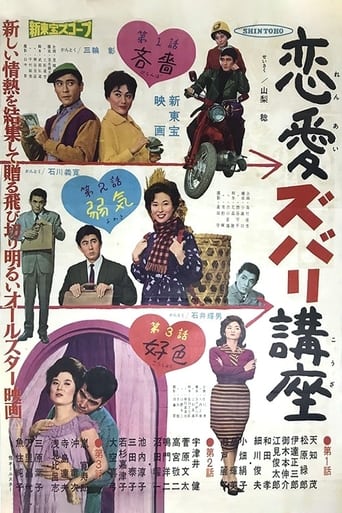 Straight Talk on Romance: The Definitive Guide · 1961
Straight Talk on Romance: The Definitive Guide
1961
MovieDramaRomance
A omnibus movie consisting of the three parts: "Kechinbo", "Yowak" and "Kōshoku".
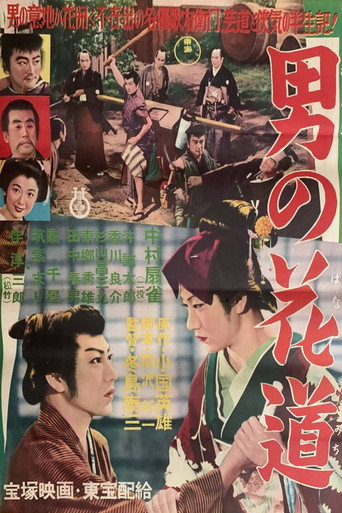 A Man's Flower Path · 1956
A Man's Flower Path
1956
MovieDrama
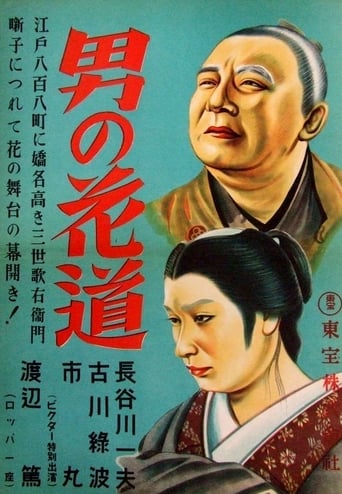 A Man's Flower Road of Triumph · 1941
A Man's Flower Road of Triumph
★ 7.01941
MovieDrama
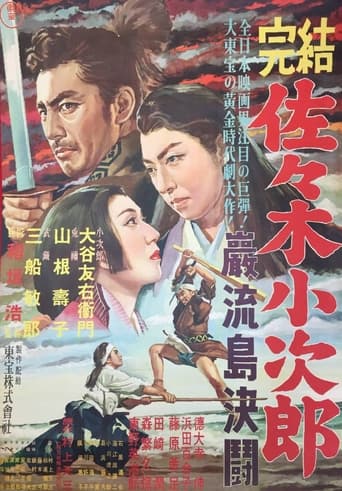 Sasaki Kojiro · 1951
Sasaki Kojiro
★ 6.01951
MovieActionHistory
Director Hiroshi Inagaki's early version of the life and death of famed swordsman Sasaki Kojiro. Otani Tomoemon gives a brilliant performance as Sasaki Kojiro, who rises from humble beginnings to national fame, and a young Toshiro Mifune appears as the legendary master swordsman Miyamoto Musashi for the first time and essentially sets the standard for future portrayals.This masterpiece is based on the original story as written by noted author Murakami Genzo and is far superior to any other versions. Following Kojiro from his earliest days through his fateful meeting with Musashi, this movie is filled with exciting and dramatic moments culminating in the best version of the final duel ever seen on film.
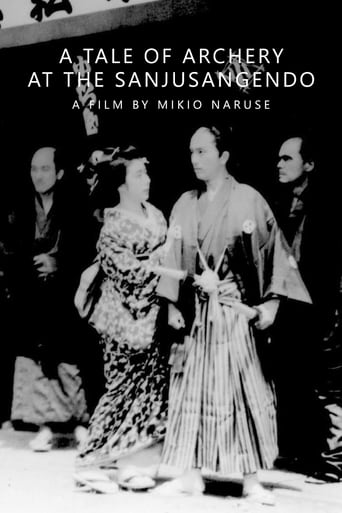 A Tale of Archery at the Sanjusangendo · 1945
A Tale of Archery at the Sanjusangendo
★ 5.91945
MovieWarDrama
Young, timid bowmaster Kazuma seeks to beat the archery record set by Hoshino Kanzaemon, a mysterious figure who, it is rumoured, drove the previous champion—Kazuma’s father—to suicide. Possessed of much raw talent, Kazuma is very much a coward, holing up in an inn and generally avoiding confrontation. Despite his best attempts to remain clandestine, the locals know of Kazuma’s purpose and an attempt is made on his life. He's saved by Karatsu Kanbei, a samurai who offers to help Kazuma hone his archery skills, though it becomes clear that this apparently selfless stranger has potentially shady ulterior motives.
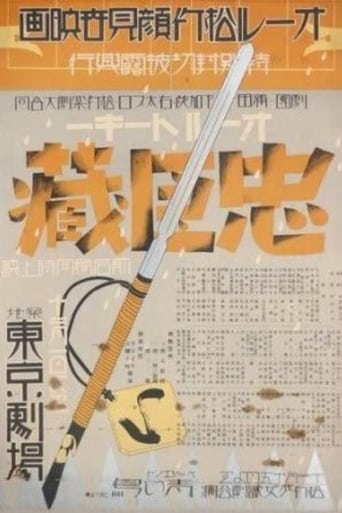 The Loyal 47 Ronin · 1932
The Loyal 47 Ronin
1932
MovieDrama
This 1932 adaptation is the earliest sound version of the ever-popular and much-filmed Chushingura story of the loyal 47 retainers who avenged their feudal lord after he was obliged to commit hara-kiri due to the machinations of a villainous courtier. As the first sound version of the classic narrative, the film was something of an event, and employed a stellar cast, who give a roster of memorable performances. Director Teinosuke Kinugasa was primarily a specialist in jidai-geki (period films), such as the internationally celebrated Gate of Hell (Jigokumon, 1953), and although he is now most famous as the maker of the avant-garde silent films A Page of Madness (Kurutta ichipeji, 1926) and Crossroads (Jujiro, 1928), Chushingura is in fact more typical of his output than those experimental works. The film ranked third in that year’s Kinema Junpo critics’ poll, and Joseph Anderson and Donald Richie noted that 'not only the sound but the quick cutting was admired by many critics.
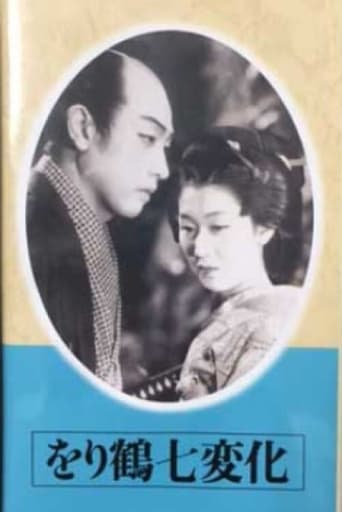 The Seven Changes of a Paper Crane (Part 1) · 1941
The Seven Changes of a Paper Crane (Part 1)
★ 5.01941
MovieDramaHistory
The story is based on the serial novel by Tsunoda Kikuo.
Filmography
Sort