Acting
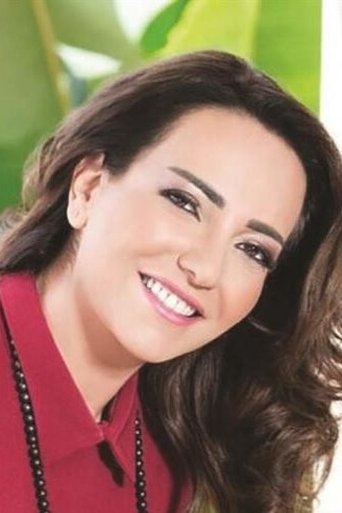
Amal Arafa
Born March 18, 1970 · Damascus, Syria (age 56)
A Syrian actress and singer, she's the daughter of composer Suhail Arafa. She was born in Damascus, and graduated from the Higher Institute of Dramatic Arts. She started as a singer, then moved to acting in the early 90s when director Haitham Haqqi gave her the opportunity to work in the series The Morning Star and The Spider's Web. However, her actual beginning was in the series The End of a Brav…
Known For
 Seven Floors · 1994
Seven Floors
1994
Movie
Screenwriter Goes to the hospital for medical examinations, but he heard strange news. This hospital has seven floors, whenever it is moved to the bottom floor, becomes close to death
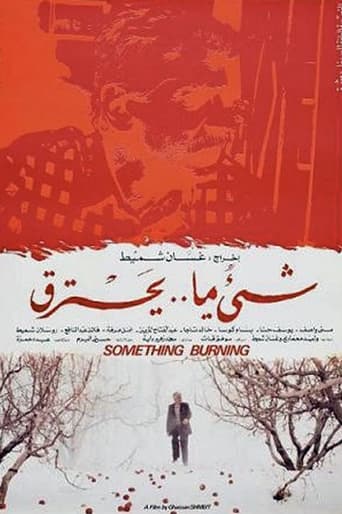 Something Is Burning · 1993
Something Is Burning
1993
MovieDrama
After the 1967 setback, Abu Ramzi is displaced from the Golan with his family, and he is tired in order to secure a livelihood and his wife who works in sewing helps him. As for the son Ramzi, he dreams of riches quickly and in the easiest way, which drives him to collide with his father, who dreams of a roof that shelter him through halal earnings.
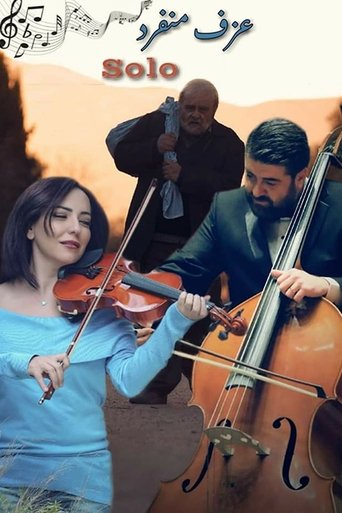 Solo Performance · 2018
Solo Performance
2018
MovieDrama
In the film, a family of moral, noble, musician, and singer friends save lives, trying to save them in the literal and metaphorical sense.
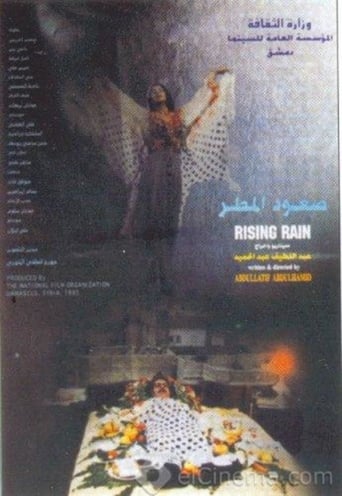 Rising Rain · 1995
Rising Rain
1995
MovieDrama
Sabah is a creative writer who goes through the complexities of life in a city that pushes its children from its center to its outskirts where expatriates reside. He suffers from financial hardships, while a love story grows between a boy and a girl who meet at night in the rain.
 The Long Night · 2009
The Long Night
2009
MovieMysteryDrama
Four political activists friends are arrested by the repressive regime in Syria in the 1970s and spend twenty years in detention, three of them are released, and the fourth remains. The three friends are shocked by the huge changes they found in society, while showing the hardships their fourth comrade faces in prison.
 Mukhtasar Mufid · 1992
Mukhtasar Mufid
1992
SeriesDramaDocumentary
Mukhtasar Mufid is a 1992 Syrian socio‑political dramedy blending drama, light comedy, and documentary‑style observation. Through episodic stories led by Abbas Al‑Nouri, the series examines everyday Syrian life, civic behavior, and the pressures shaping social and political awareness. With sharp commentary and grounded performances, it explores moral dilemmas, public institutions, and the contradictions of ordinary citizens navigating a changing society.
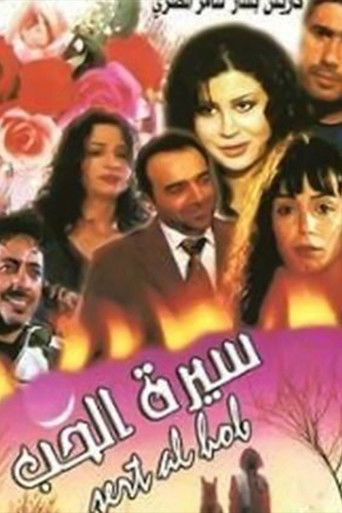 Sert Alhob · 2007
Sert Alhob
2007
SeriesDramaFamily
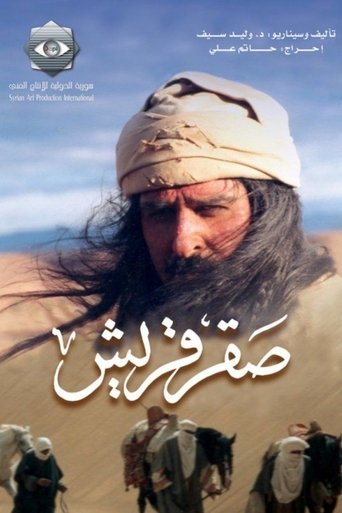 The Falcon of Quraish · 2002
The Falcon of Quraish
★ 9.52002
SeriesWar & PoliticsDrama
When the Abbasids overthrow the Umayyad Caliphate in Damascus, slaughtering nearly the entire dynasty, one young prince escapes — Abd al-Rahman. Hunted across deserts and seas, he eventually reaches the fringes of the Muslim world and, through sheer will and political genius, founds a new Umayyad emirate in Andalusia. Written by Walid Seif and directed by Hatem Ali, this is the first chapter of their celebrated Andalusian trilogy — epic, human and historically meticulous.
Filmography
Sort