Acting
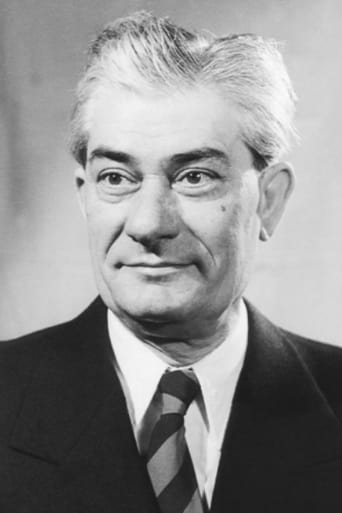
Zoltán Makláry
Born April 15, 1896 · Budapest, Austria-Hungary [now Hungary]
Died July 12, 1978 · aged 82
No biography available.
Known For
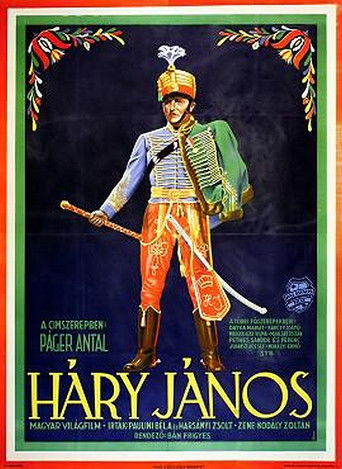 János Háry · 1941
János Háry
★ 6.51941
Movie
János Háry, the old veteran is telling his stories in the pub without end.
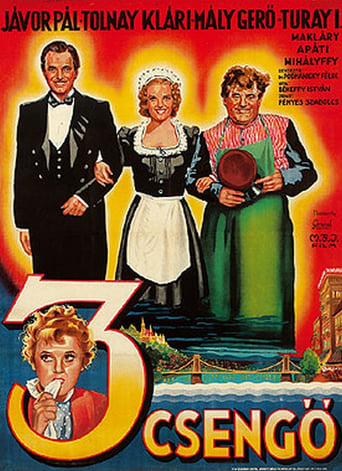 Three Bells · 1941
Three Bells
★ 8.01941
MovieComedy
Kovalszky arrives at the Danube-Bank Hotel as a foreign gentleman. Two members of the staff, Miklós, the waiter and Anna, the house-maid are planning their life together. Kovalszky makes passes at Anna.
 Siamese Cat · 1943
Siamese Cat
1943
MovieComedy
After even his seventh fiancée dismisses him, Pali, longing for marriage and four children, falls in love with a Siamese diseuse and decides to marry her.
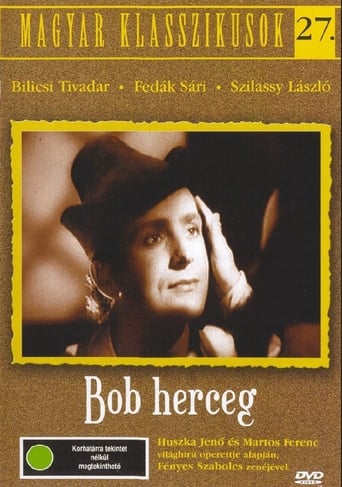 Prince Bob · 1941
Prince Bob
★ 7.01941
MovieMusic
In Luxoria Prince Igor is preparing to accede to the throne and choose his wife on his 24th birthday. The mother Duchess's candidate is Duchess Xenia, but Igor loves Annie, the soap-maker's daughter.
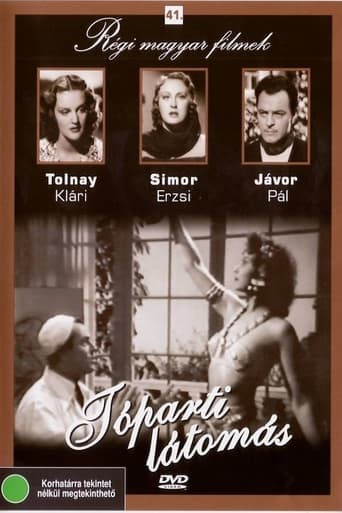 Vision by the Lake · 1940
Vision by the Lake
★ 7.01940
MovieDrama
Nothing new under the sun. The famous 'Love Story' is only a faint reminder of the most successful pre-war Hungarian film. The relationship between the painter and the busy girl, as well as the third one, still holds surprises for us today.
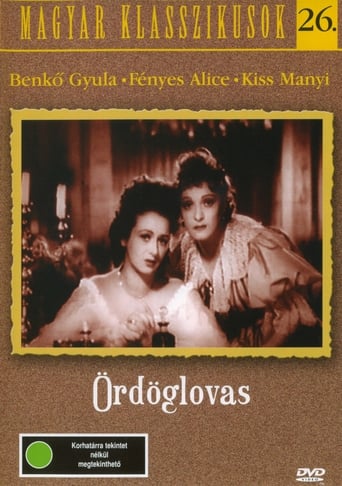 Ördöglovas · 1944
Ördöglovas
★ 10.01944
MovieHistoryAdventure
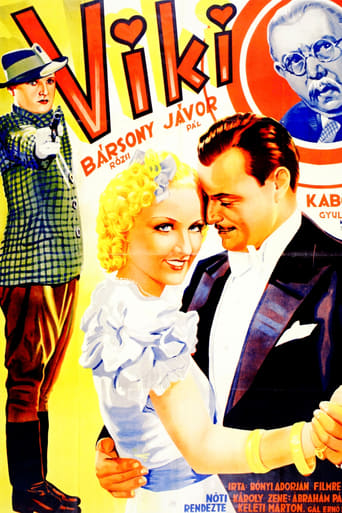 Viki · 1937
Viki
★ 8.01937
MovieComedy
The ancient families of Kont and Hadhazy have long been at war with each other. Lord Cont is a supporter of Vienna's rule, while Hadhazy is a follower of the Hungarian revolutionary Kossuth. Lord plans to fight Hadhazy at an approaching county meeting. Vicky, the beautiful and savvy daughter of Hadhazy's family, just before this, returns home from a Swiss boarding school for young girls, expelled because of her behavior. Vicky, dressed in a man's costume, goes to defend her father and with the honor of a nobleman fights the young scion of a family hostile to her. The young man's name is Feri Kont, and he mistakes the young man's introduction to Vicky for her brother Kalman Hadhazy. The political conflicts between the two families are mitigated by love complications. A misunderstanding at a county ball is brought to light, and the two warring camps are reconciled through the love of Vicky and Feri.
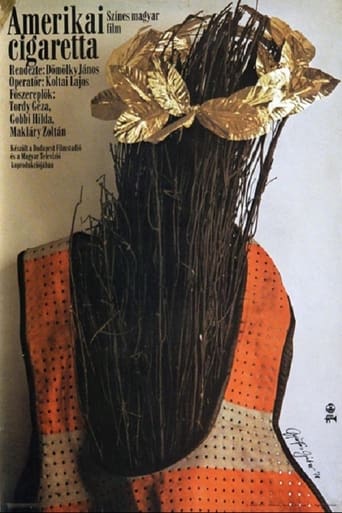 The American Cigarette · 1977
The American Cigarette
★ 7.01977
MovieComedy
The satiric film is a dramatic-ironic picture of the Hungarian intellectuals in the seventies. Ebes, whose art has been awarded for its merits conglomerating folk features with modernity, can hardly believe that from his parents, old friends, and the sons of the people he did not even receive a telegram of congratulation.
Filmography
Sort