Acting
Jonathan Hale
Born March 20, 1891 · Hamilton, Ontario, Canada
Died February 28, 1966 · aged 74
From Wikipedia, the free encyclopedia Jonathan Hale (born Jonathan Hatley, March 21, 1891 – February 28, 1966) was a Canadian-born film and television actor. Hale was born in Hamilton, Ontario, Canada. Before his acting career, Hale worked in the Diplomatic Corps. Hale is most well known as Dagwood Bumstead's boss, Julius Caesar Dithers, in the Blondie film series in the 1940s. He is also notabl…
Known For
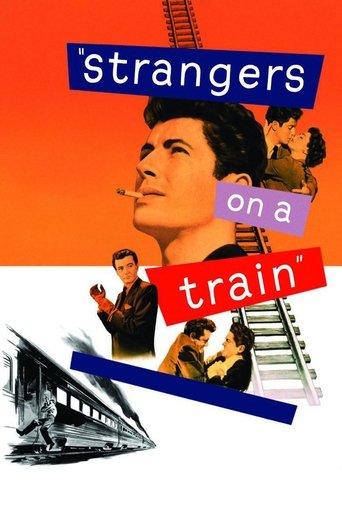 Strangers on a Train · 1951
Strangers on a Train
★ 7.71951
MovieCrimeThriller
A charming psychopath tries to coerce a tennis star into his theory that two strangers can commit the perfect crime by exchanging murders—each killing the other’s most-hated person.
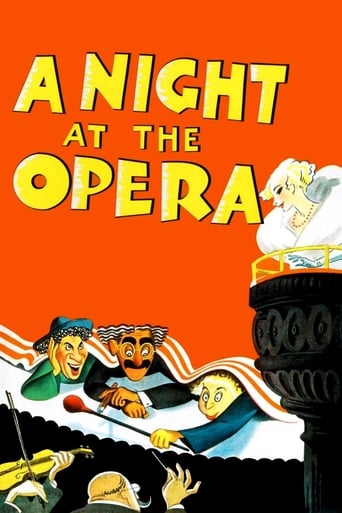 A Night at the Opera · 1935
A Night at the Opera
★ 7.41935
MovieComedyMusic
The Marx Brothers take on high society and the opera world to bring two lovers together. A sly business manager and two wacky friends of two opera singers help them achieve success while humiliating their stuffy and snobbish enemies.
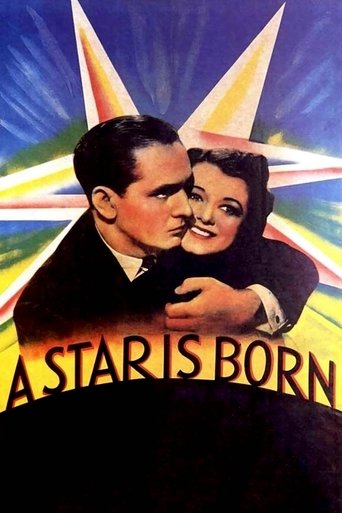 A Star Is Born · 1937
A Star Is Born
★ 7.21937
MovieDramaRomance
Esther Blodgett is just another starry-eyed farm kid trying to break into the movies. Waitressing at a Hollywood party, she catches the eye of her idol Norman Maine, is sent for a screen test, and before long attains stardom as newly minted Vicki Lester. She and Norman marry, though his career soon dwindles to nothing due to his chronic alcoholism.
 Cattle Queen of Montana · 1954
Cattle Queen of Montana
★ 5.71954
MovieWestern
Sierra Nevada Jones must fight a villainous rancher to regain the land that is rightfully hers.
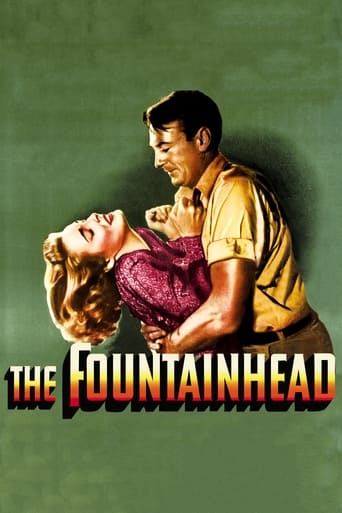 The Fountainhead · 1949
The Fountainhead
★ 6.81949
MovieDramaRomance
An uncompromising, visionary architect struggles to maintain his integrity and individualism despite personal, professional and economic pressures to conform to popular standards.
 Call Northside 777 · 1948
Call Northside 777
★ 6.71948
MovieCrimeDrama
In 1932, a cop is killed and Frank Wiecek sentenced to life. Eleven years later, a newspaper ad by Frank's mother leads Chicago reporter P.J. McNeal to look into the case. For some time, McNeal continues to believe Frank guilty. But when he starts to change his mind, he meets increased resistance from authorities unwilling to be proved wrong.
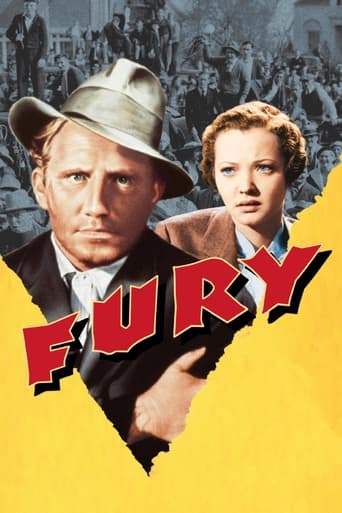 Fury · 1936
Fury
★ 7.51936
MovieCrimeDrama
Joe, who owns a gas station along with his brothers and is about to marry Katherine, travels to the small town where she lives to visit her, but is wrongly mistaken for a wanted kidnapper and arrested.
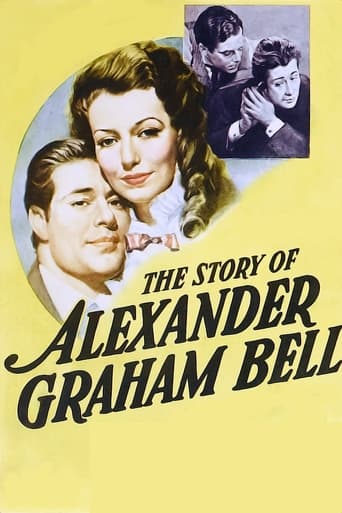 The Story of Alexander Graham Bell · 1939
The Story of Alexander Graham Bell
★ 6.31939
MovieDramaHistory
Alexander Graham Bell falls in love with deaf girl Mabel Hubbard while teaching the deaf and trying to invent means for telegraphing the human voice. She urges him to put off thoughts of marriage until his experiments are complete. He invents the telephone, marries and becomes rich and famous, though his happiness is threatened when a rival company sets out to ruin him.
Filmography
Sort
Cattle Queen of Montana · 1954Cattle Queen of Montana
★ 5.71954
MovieWestern
Sierra Nevada Jones must fight a villainous rancher to regain the land that is rightfully hers.
Politician (uncredited)
 The Tall Target · 1951
The Tall Target
★ 6.91951
MovieThrillerHistory
A detective tries to prevent the assassination of President-elect Abraham Lincoln during a train ride headed for Washington in 1861.
Passenger from Carolina (uncredited)

 Johnny Belinda · 1948
Johnny Belinda
★ 6.91948
MovieDrama
A small-town doctor helps a deaf-mute farm girl learn to communicate.
Dr. Gray (uncredited)
 Son of Paleface · 1952
Son of Paleface
★ 6.41952
MovieComedyWestern
Peter Potter Jr. returns to claim his father's gold, which is nowhere to be found.
Governor Freeman (uncredited)
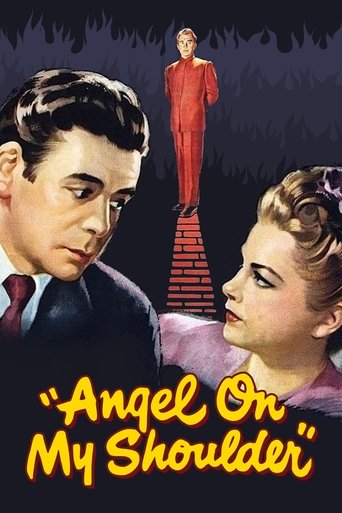 Angel on My Shoulder · 1946
Angel on My Shoulder
★ 6.61946
MovieFantasyComedy
The Devil arranges for a deceased gangster to return to Earth as a well-respected judge to make up for his previous life.
Citizens for Better Government Chairman (uncredited)
 The Raven · 1935
The Raven
★ 6.61935
MovieHorrorCrime
A brilliant but deranged neurosurgeon becomes obsessively fixated on a judge's daughter. With the help of an escaped criminal whose face he has surgically deformed, the mad man lures her, her father, and her fiancé to his isolated, castle-like home.
Bedside Dr. at Jerry's Right (uncredited)