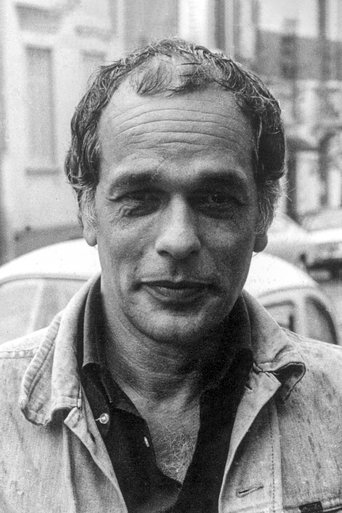
Directing
Nelson Pereira dos Santos
Born October 22, 1928 · São Paulo, Brazil
Died April 12, 2018 · aged 89
Nelson Pereira dos Santos ComRB • OMC (São Paulo, October 22, 1928 — Rio de Janeiro, April 21, 2018) was a Brazilian film director, producer and screenwriter. Having been one of the founders of the Cinema Novo movement, his production spans a period of 60 years in the history of Brazil. Considered one of the most important filmmakers in the country, he was strongly influenced by the works of the …
Known For
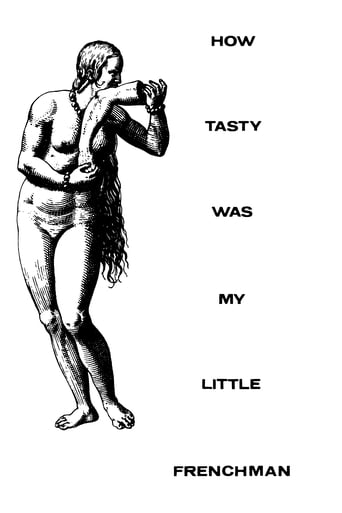 How Tasty Was My Little Frenchman · 1971
How Tasty Was My Little Frenchman
★ 6.11971
MovieComedyAdventure
In 1594 Brazil, a frenchman becomes a prisoner of the Tupinambás. While waiting to be executed, the foreigner learns the habits of the indigenous people and joins a woman who tries to help him escape.
 The Music According to Tom Jobim · 2012
The Music According to Tom Jobim
★ 7.02012
MovieDocumentaryMusic
Half a century ago, Brazilian composer and musician Antonio Carlos "Tom" Jobim (1927-1994) introduced bossa nova to a worldwide audience with "The Girl from Ipanema." This relaxed, cool, sensuous music blended jazz and samba. After recording an album of songs by his friend Jobim, Frank Sinatra is reported to have said, "I haven't sung so quietly since I had laryngitis." Naturally, "The Girl from Ipanema" and Frank Sinatra are featured in this musical collage of countless seamlessly edited excerpts of concert footage that cover decades of events all over the world: from Rio de Janeiro to Lisbon, Paris, Copenhagen, Jerusalem, Tokyo, Montreal, New York and back to Rio.
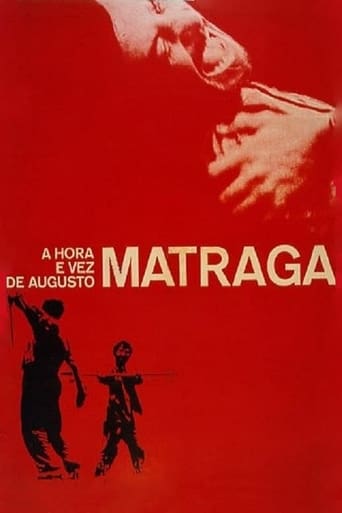 The Hour and Turn of Augusto Matraga · 1965
The Hour and Turn of Augusto Matraga
★ 7.71965
MovieActionDrama
Augusto Matraga is a violent agressive farmer who, after being betrayed by his wife and trapped by several enemies, is beaten up and left for dead, being rescued by a couple of humble small farmers who nurse him for a long time until he is well again. Influenced by the couple, Matraga starts a long penitent life while waiting for his hour and chance to payback, starting a fight between his violent nature, his hidden desire of vengeance and the mysticism and goodness which is also part of him.
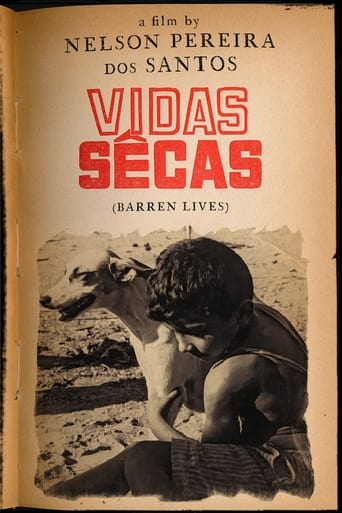 Barren Lives · 1963
Barren Lives
★ 7.41963
MovieDramaWestern
A destitute family tries to escape the drought in the backlands of northeastern Brazil. Fabiano (Átila Iório), Sinhá Vitória (Maria Ribeiro), their two children and their dog Baleia wander aimlessly and almost hopelessly through the remote interior, surviving the forces of nature and the cruelty of men. An adaptation of the work by Graciliano Ramos.
 Memories of Prison · 1984
Memories of Prison
★ 6.81984
MovieDramaHistory
In the 1930s, novelist and politician Graciliano Ramos is accused of being a communist sympathizer. He is then arrested and sent to the Ilha Grande prison, where he experiences the disturbing treatment reserved for common prisoners.
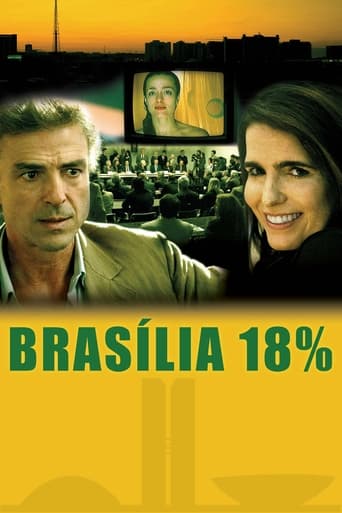 Brasília 18% · 2006
Brasília 18%
★ 4.82006
MovieDrama
A star medical examiner is called to Brasília, the administrative capital of Brazil, to confirm the identity of a beautiful, young congressional aide's dead body. But his scientific rigor soon leads him to details of a multi-layered political scandal.
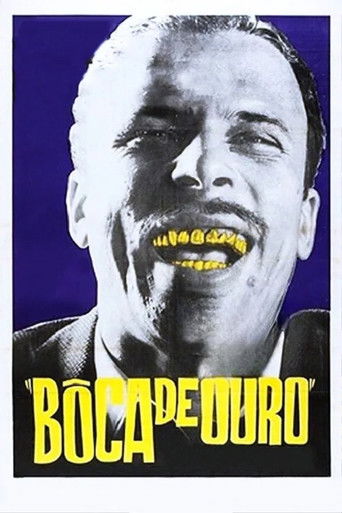 Golden Mouth · 1963
Golden Mouth
★ 6.81963
MovieDrama
After a powerful outlaw dies, a reporter interviews his lover and gets three different stories about the legendary man.
 Uma Vida Dividida · 1999
Uma Vida Dividida
1999
MovieDramaDocumentary
Filmography
Sort