Acting
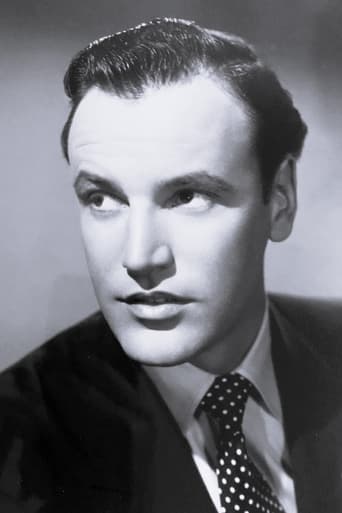
Richard Anderson
Born August 8, 1926 · Long Branch, New Jersey, USA
Died August 31, 2017 · aged 91
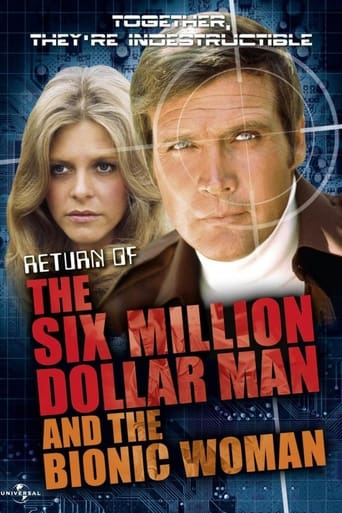
Richard Norman Anderson (August 8, 1926 - August 31, 2017) was an American film and television actor. Among his best-known roles is his portrayal of Oscar Goldman, the boss of Steve Austin (Lee Majors) and Jaime Sommers (Lindsay Wagner) in both The Six Million Dollar Man and The Bionic Woman television series and their subsequent television movies: The Return of the Six-Million-Dollar Man and the …
Known For
 Paths of Glory · 1957
Paths of Glory
★ 8.31957
MovieWarDrama
A commanding officer defends three scapegoats on trial for a failed offensive that occurred within the French Army in 1916.
 Tora! Tora! Tora! · 1970
Tora! Tora! Tora!
★ 7.21970
MovieWarHistory
In the summer of 1941, the United States and Japan seem on the brink of war after constant embargos and failed diplomacy come to no end. "Tora! Tora! Tora!", named after the code words used by the lead Japanese pilot to indicate they had surprised the Americans, covers the days leading up to the attack on Pearl Harbor, which plunged America into the Second World War.
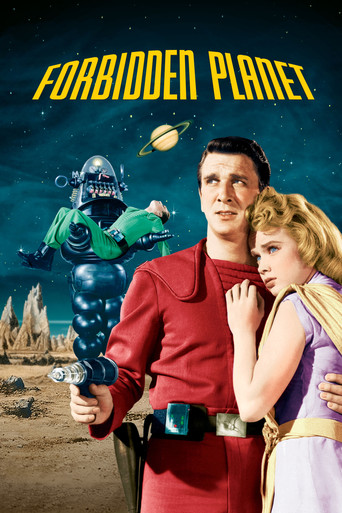 Forbidden Planet · 1956
Forbidden Planet
★ 7.31956
MovieScience FictionAdventure
Starship C57D travels to planet Altair 4 in search of the crew of spaceship "Bellerophon," a scientific expedition that has been missing for twenty years. They find themselves unwelcome by the expedition's lone survivor and warned of destruction by an invisible force if they don't turn back immediately.
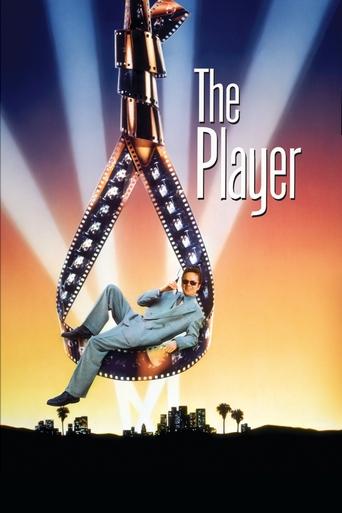 The Player · 1992
The Player
★ 7.21992
MovieMysteryDrama
A Hollywood studio executive is being sent death threats by a writer whose script he rejected - but which one?
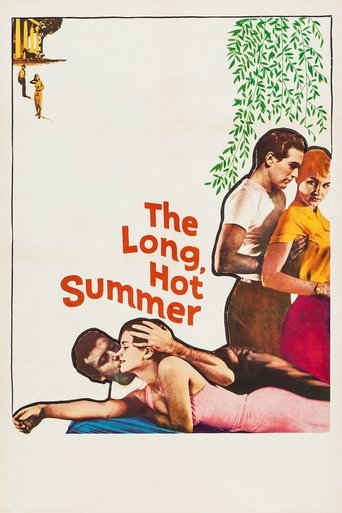 The Long, Hot Summer · 1958
The Long, Hot Summer
★ 7.01958
MovieDrama
Accused barn burner and conman Ben Quick arrives in a small Mississippi town and quickly ingratiates himself with its richest family, the Varners.
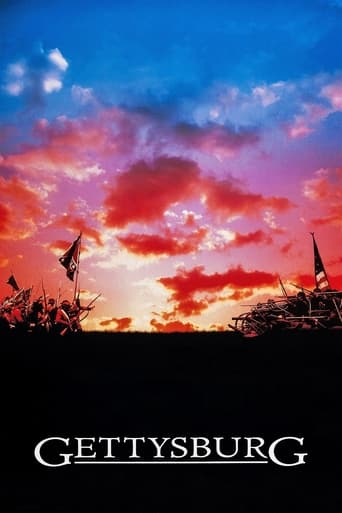 Gettysburg · 1993
Gettysburg
★ 7.01993
MovieDramaHistory
In the summer of 1863, General Robert E. Lee leads the Confederate Army of Northern Virginia into Gettysburg, Pennsylvania with the goal of marching through to Washington, D.C. The Union Army of the Potomac, under the command of General George G. Meade, forms a defensive position to confront the rebel forces in what will prove to be the decisive battle of the American Civil War.
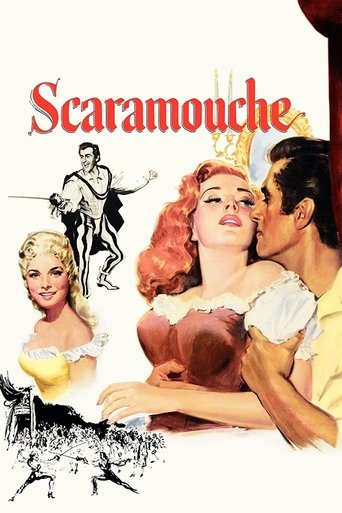 Scaramouche · 1952
Scaramouche
★ 7.01952
MovieAdventureRomance
In 18th-century France, a young man masquerades as an actor to avenge his friend's murder.
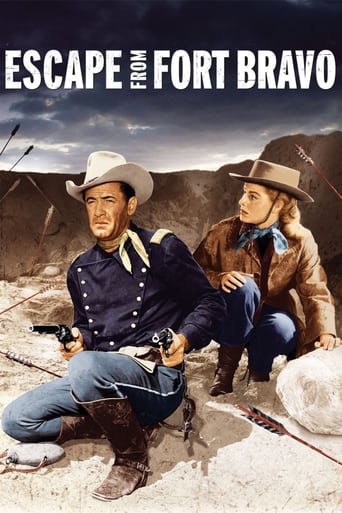 Escape from Fort Bravo · 1953
Escape from Fort Bravo
★ 6.31953
MovieWestern
A Southern belle frees a Rebel officer and his men from a Union captain's Arizona fort.
Filmography
Sort
Scaramouche · 1952Scaramouche
★ 7.01952
MovieAdventureRomance
In 18th-century France, a young man masquerades as an actor to avenge his friend's murder.
Philippe de Valmorin (Marcus Brutus)
Escape from Fort Bravo · 1953Escape from Fort Bravo
★ 6.31953
MovieWestern
A Southern belle frees a Rebel officer and his men from a Union captain's Arizona fort.
Lieutenant Beecher
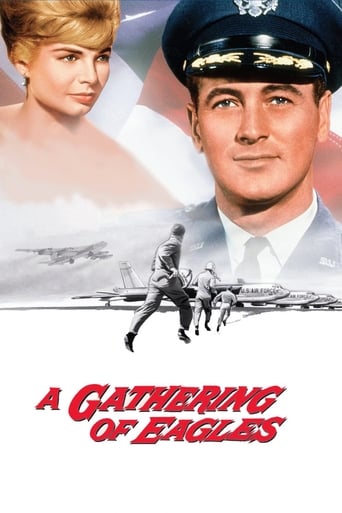 A Gathering of Eagles · 1963
A Gathering of Eagles
★ 5.81963
MovieDramaRomance
A B-52 commander must prepare his men to pass a grueling inspection.
Col. Ralph Josten