Acting
Anya Phillips
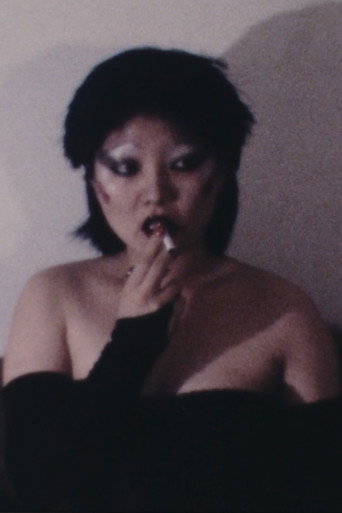
Anya Phillips (February 1955 – June 19, 1981) was a Taiwanese fashion designer and the co-founder of the New York nightclub the Mudd Club. Phillips influenced the fashion, sound, and look of the New York-based no wave scene of the late 1970s. She was also the manager and girlfriend of musician James Chance (aka James White).
Known For
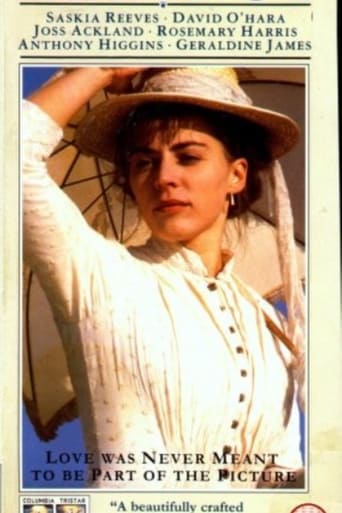 The Bridge · 1992
The Bridge
★ 4.51992
MovieDrama
When Isobel Hetherington and her three young daughters take up their seaside residence in the hot summer of 1887, life seems idyllic. But the arrival of Phillip Wilson Steer for his annual painting visit launches a chain of events that will change their lives forever.
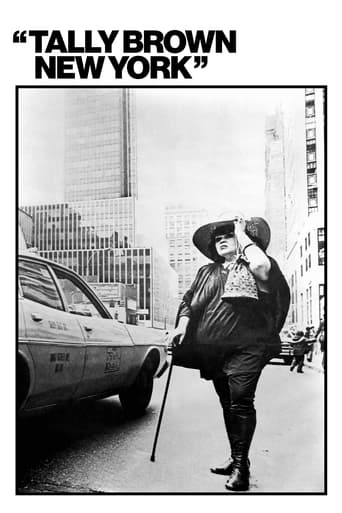 Tally Brown, New York · 1979
Tally Brown, New York
★ 7.51979
MovieDocumentary
Tally Brown, New York is a 1979 documentary film directed, written and produced by Rosa von Praunheim. The film is about the singing and acting career of Tally Brown, a classically trained opera and blues singer who was a star of underground films in New York City and a denizen of its underworld in the late 1960s. In this documentary, Praunheim relies on extensive interviews with Brown, as she recounts her collaboration with Andy Warhol, Taylor Mead and others, as well as her friendships with Holly Woodlawn, and Divine. Brown opens the film with a cover of David Bowie’s “Heroes” and concludes with “Rock ’n’ Roll Suicide.” The film captures not only Tally Brown’s career but also a particular New York milieu in the 1970s.
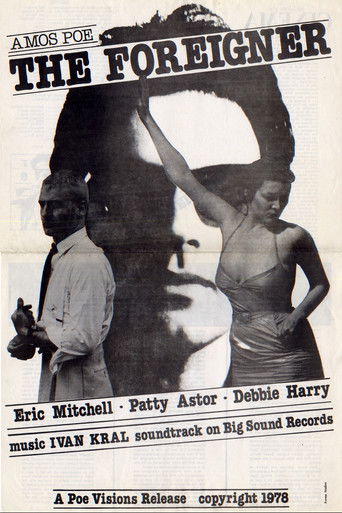 The Foreigner · 1978
The Foreigner
★ 6.01978
MovieThrillerDrama
A French special op suffers an existential crisis as he wanders New York City in search of a mission and the requisite connections.
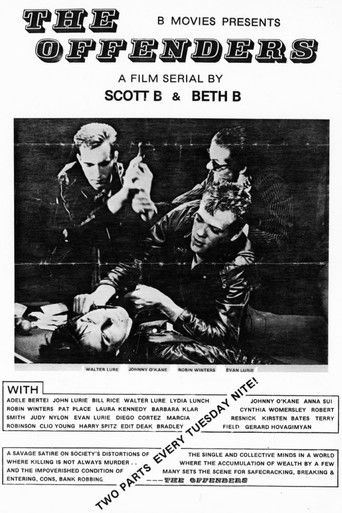 The Offenders · 1980
The Offenders
★ 7.01980
MovieDrama
The Offenders is a raucous punk satire of the teenager-leaves-home genre. As in the detached and aloof manner of Andy Warhol's underground films, it tells an amusingly deadpan story centred on the kidnapping of a young woman named Laura and her abusive, controlling father. An out-of-control gang of punk hoodlums flesh out the cast.
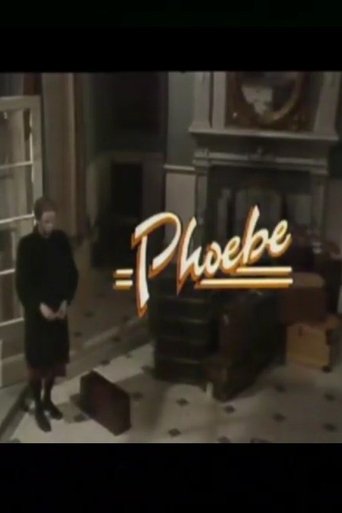 Phoebe · 1985
Phoebe
1985
Movie
England, during World War II. A girl from a very religious background comes to work as a kitchen maid in a girls' school. She meets another maid comes from London, who is much more sophisticated.
 Dear Jimmy · 1978
Dear Jimmy
1978
MovieDocumentaryDrama
How to play a melody? A magic moment, unrepeatable. Life is just a bowl of cherries. Film as art as life as film.
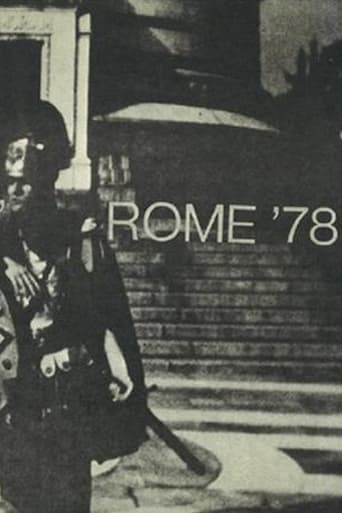 Rome '78 · 1978
Rome '78
★ 6.41978
MovieHistoryDrama
Nares mocks up Ancient Rome by shooting in faux-classical sites including Tribeca's American Thread Building, where a decrepit penthouse loft with a peeling-paint dome serves as an echoey stand-in for the imperial palace. The latter location required ingenuity: Posing as potential renters, Nares and associates asked the manager to show them the apartment, then unlocked the windows on the way out; a few hours later, they broke back into the space, full cast and crew in tow, to shoot the necessary scenes.
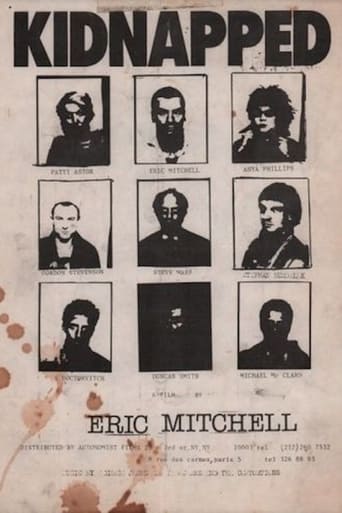 Kidnapped · 1978
Kidnapped
★ 4.51978
MovieDrama
Eric Mitchell's debut film, shot in Super 8, stars Mitchell, Anya Phillips, Patti Astor, and Duncan Smith among a crowd of hip "poseurs," talking sex, manners, and politics.
Filmography
Sort