J
Acting
Joe Quinn
No biography available.
Known For
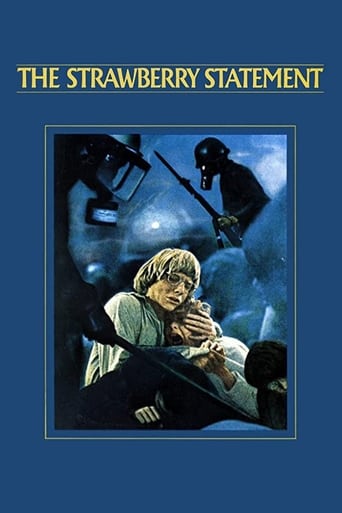 The Strawberry Statement · 1970
The Strawberry Statement
★ 5.91970
MovieDramaRomance
A college student joins a group of revolutionaries to meet girls but ends up committed to their goals.
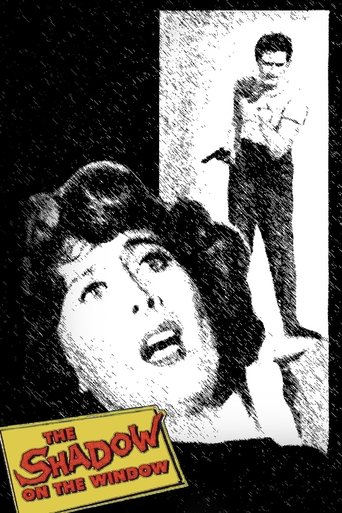 The Shadow on the Window · 1957
The Shadow on the Window
★ 5.91957
MovieCrimeDrama
Three delinquents murder a prosperous farmer at an isolated farm house. One witness to the crime - the dead man's secretary - is then taken hostage. The other witness - her young son - is thrown into state of shock. Can he recover soon enough to help the police - and his father - rescue his mother before it's too late?
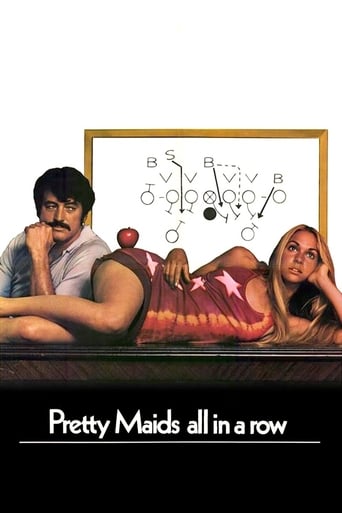 Pretty Maids All in a Row · 1971
Pretty Maids All in a Row
★ 5.91971
MovieComedyCrime
At Oceanfront High School, female students are being targeted by an unknown serial killer. Meanwhile, a married teacher hides his flings with nubile students, and an awkward male is frustrated by the plethora of uninhibited freewheeling young girls.
 The Creature from Lake Michigan
The Creature from Lake Michigan
MovieComedyHorror
Environmental activist Clark Johnson must join forces with a marine biologist and a misguided band of surfers to battle a deranged hit-man, low-budget filmmakers and a crazed warrior from beyond the stars in order to help a menacing mutant monster from the depths of Lake Michigan.
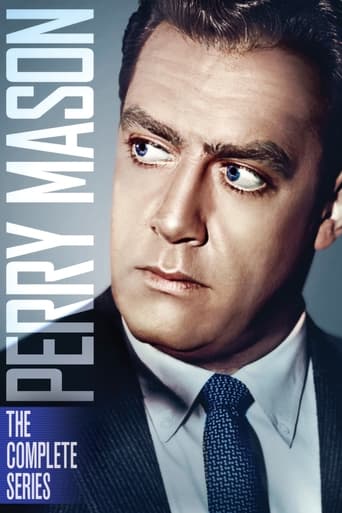 Perry Mason · 1957
Perry Mason
★ 7.71957
SeriesMysteryDrama
The cases of master criminal defense attorney Perry Mason and his staff who handled the most difficult of cases in the aid of the innocent.
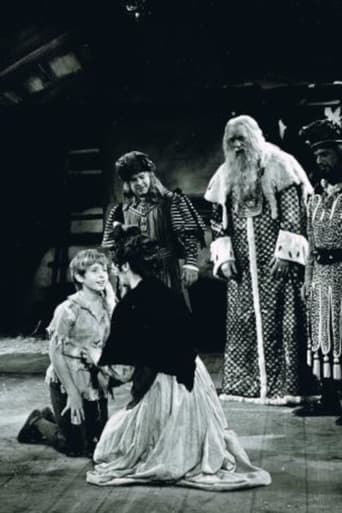 Matinee Theater · 1955
Matinee Theater
★ 5.31955
SeriesDrama
Matinee Theater is an American anthology series that aired on NBC during the Golden Age of Television, from 1955 to 1958. The series, which ran daily in the afternoon, was frequently live. It was produced by Albert McCleery, Darrell Ross, George Cahan and Frank Price with executive producer George Lowther. McCleery had previously produced the live series Cameo Theatre which introduced to television the concept of theater-in-the-round, TV plays staged with minimal sets.
Jim Buckley of the Pewter Plough Playhouse recalled:
When Al McCleery got back to the States, he originated a most ambitious theatrical TV series for NBC called Matinee Theater: to televise five different stage plays per week live, airing around noon in order to promote color TV to the American housewife as she labored over her ironing. Al was the producer. He hired five directors and five art directors. Richard Bennett, one of our first early presidents of the Pewter Plough Corporation, was one of the directors and I was one of the art directors and, as soon as we were through televising one play, we had lunch and then met to plan next week’s show. That was over 50 years ago, and I’m trying to think; I believe the TV art director is his own set decorator —yes, of course! It had to be, since one of McCleery’s chief claims to favor with the producers was his elimination of the setting per se and simply decorating the scene with a minimum of props. It took a bit of ingenuity.
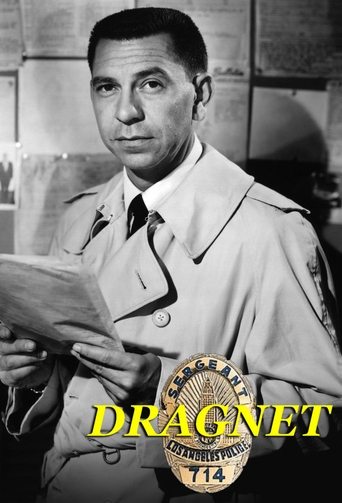 Dragnet · 1951
Dragnet
★ 6.51951
SeriesDramaCrime
Follows the cases of a dedicated Los Angeles police detective, Sergeant Joe Friday, and his partners. The show takes its name from the police term "dragnet", meaning a system of coordinated measures for apprehending criminals or suspects.
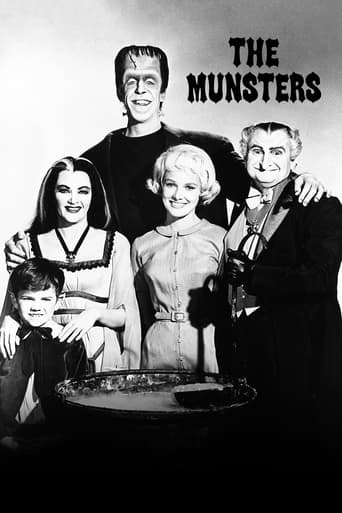 The Munsters · 1964
The Munsters
★ 7.91964
SeriesComedySci-Fi & Fantasy
A family of friendly monsters that have misadventures all while never quite understanding why people react to them so strangely.
Filmography
Sort