Directing
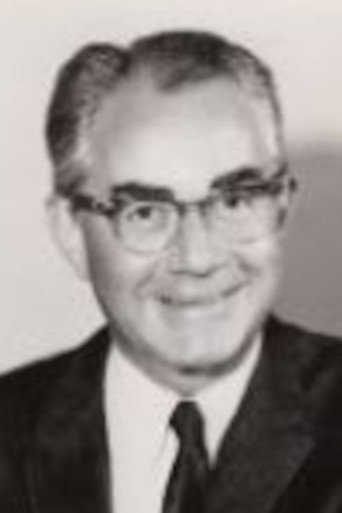
Herbert Hirschman
Born April 13, 1914 · New York City, New York, USA
Died July 3, 1985 · aged 71
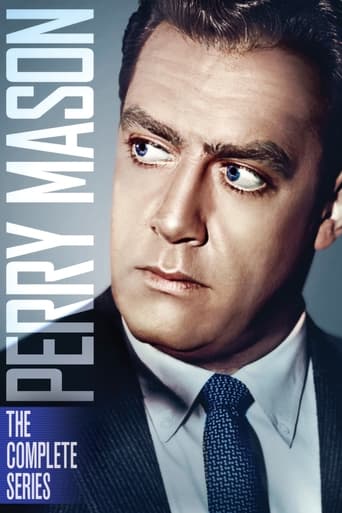
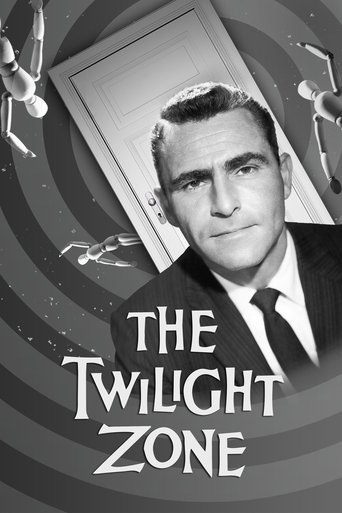
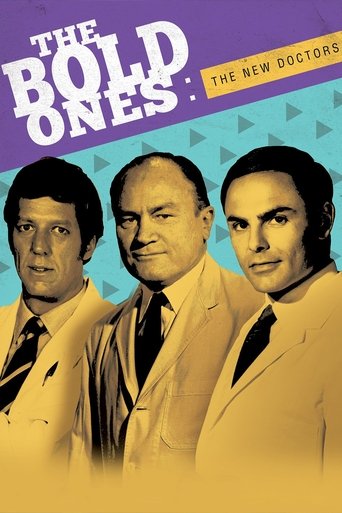
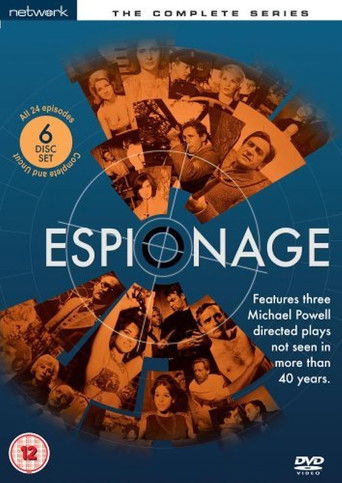
Herbert Hirschman (April 13, 1914 – July 3, 1985)[1] was an American television producer and director. He produced shows as Perry Mason, Espionage, The Wackiest Ship in the Army, and the fourth season of The Twilight Zone.
Known For
 Stir Crazy · 1980
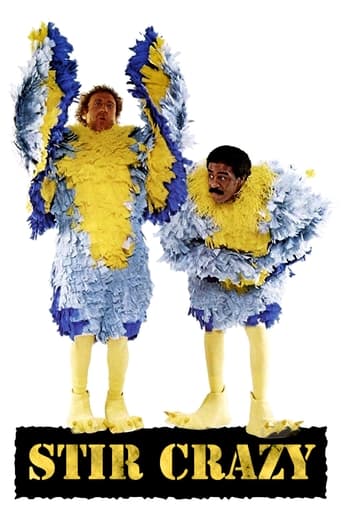
Stir Crazy
★ 6.51980
MovieComedyCrime
New Yorkers Skip Donahue and Harry Monroe have no jobs and no prospects, so they decide to flee the city and find work elsewhere, landing jobs wearing woodpecker costumes to promote the opening of a bank. When their feathery costumes are stolen and used in a bank robbery, they no longer have to worry about employment — they're sent to prison.
 They Call Me Mister Tibbs! · 1970
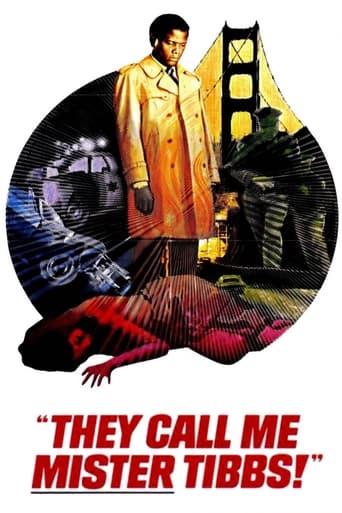
They Call Me Mister Tibbs!
★ 5.91970
MovieDramaAction
A police detective's investigation of a prostitute's murder points to his best friend.
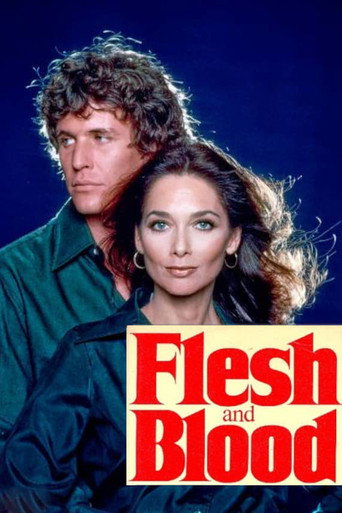
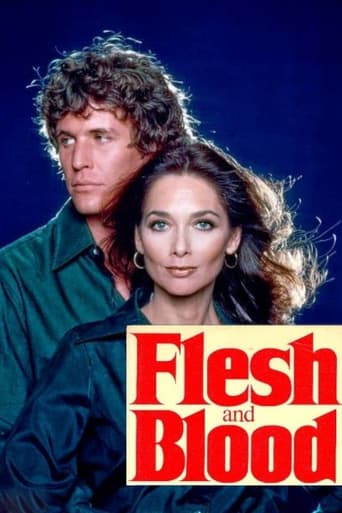 Flesh & Blood · 1979
Flesh & Blood
★ 5.91979
MovieDramaTV Movie
A young street-tough-turned-boxer struggles to reach the top while finding his romance with an attractive TV reporter is complicated by an incestuous relationship with his mother.
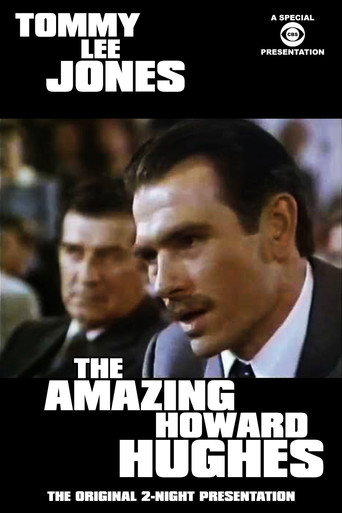
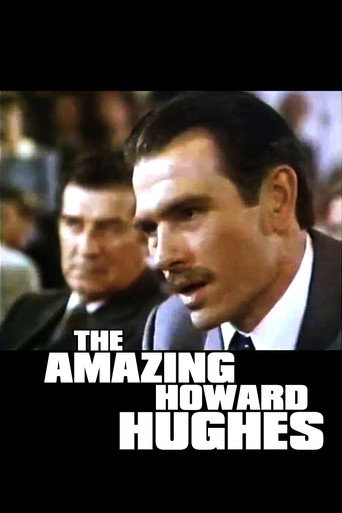 The Amazing Howard Hughes · 1977
The Amazing Howard Hughes
★ 6.41977
MovieDramaTV Movie
The Amazing Howard Hughes is a 1977 television movie about American aviation pioneer and filmmaker Howard Hughes, based on the book by Hughes' business partner Noah Dietrich. The film starred Tommy Lee Jones, Ed Flanders, and Tovah Feldshuh.
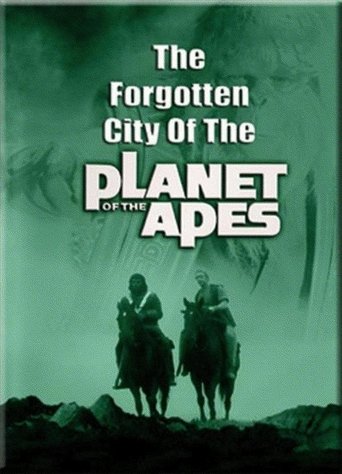 The Forgotten City of the Planet of the Apes · 1980
The Forgotten City of the Planet of the Apes
★ 7.41980
MovieTV MovieScience Fiction
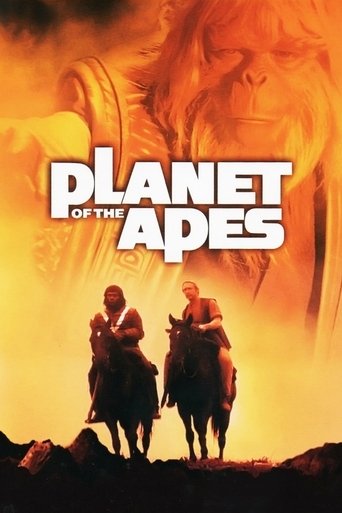
Human astronauts Burke and Virdon, with their chimp companion Galen, are forced to become involved in the strange gladiatorial games of the district run by prefect Tolar. The trio escape the gorilla police and find an abandoned government research project with a computer containing a vast amount of recording information about the old human-ruled world. [The second of five telefilms edited from episodes of the 1974 TV series; this film combines the episodes "The Gladiators" and "The Legacy"]
 Farewell to the Planet of the Apes · 1980
Farewell to the Planet of the Apes
★ 6.31980
MovieTV MovieThriller
When the astronauts Burke and Virdon, with their chimp companion Galen, are captured in a fishing village that employs human slave labor, they must prove their worth as fishermen or be sacrificed to the 'gods of the sea,' or what the men call sharks. Escaping from the forced labor camp, the trio become involved in a plot to develop a glider to drop a fragmentation bomb on the gorilla council. [The fifth of five telefilms edited from episodes of the 1974 TV series; this film combines the episodes "Tomorrow's Tide" and "Up Above the World So High"]
 Halls of Anger · 1970
Halls of Anger
★ 5.21970
MovieDrama
An all-black inner city school has to become an integrated school. Few dozen white kids are transfered there, but the black students are aggressively opposed to this. The school then approaches a tough black teacher for help.
 Sophia Loren: Her Own Story · 1980
Sophia Loren: Her Own Story
★ 5.51980
MovieDramaTV Movie
This biopic about actress Sophia Loren covers her life from childhood through international stardom, her marriage to Carlo Ponti following a romantic fling with Cary Grant, and the birth of her first child, and is tied together with actual clips from some of her movies.
Filmography
Sort