S
Acting
Shin'ichirô Komura
No biography available.
Known For
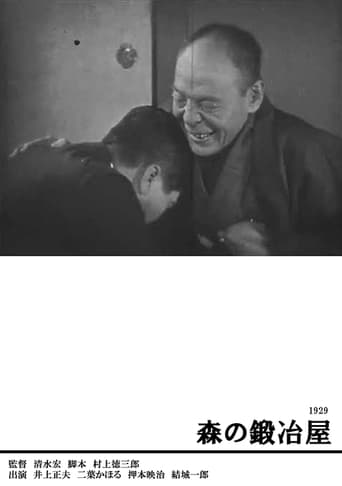 The Blacksmith of the Forest · 1929
The Blacksmith of the Forest
★ 8.01929
MovieDrama
A blacksmith is chased out of the village by the sinister village chief and forced to move to the forest with his wife and two sons. The blacksmith's younger son is disabled, and the other children in the village tease him. The older son aspires to become a doctor in order to fix his brother's leg. The film depicts the bond between a father and his sons. Only 18 minutes survive.
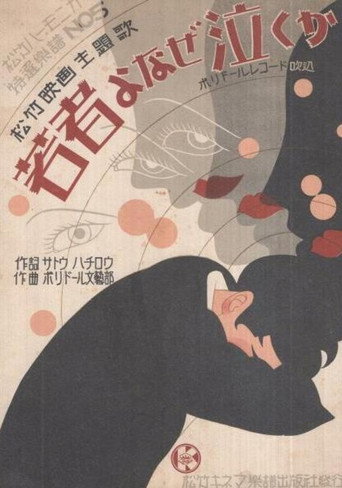 Youth, Why Do You Cry? · 1930
Youth, Why Do You Cry?
1930
MovieDrama
A modern girl suddenly intrudes into a widower's family home.
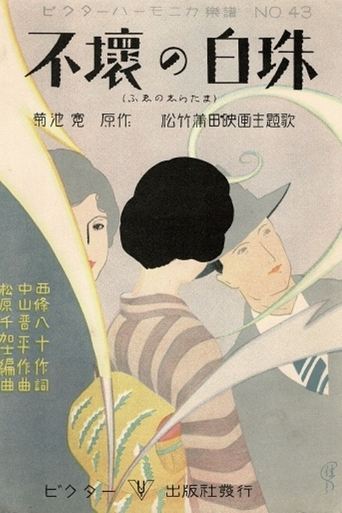 Eternal Heart · 1929
Eternal Heart
★ 6.01929
MovieDramaRomance
Toshie, a young, conservative secretary-typist has fallen in love with Shozo Narita, a young man she has met through her work.
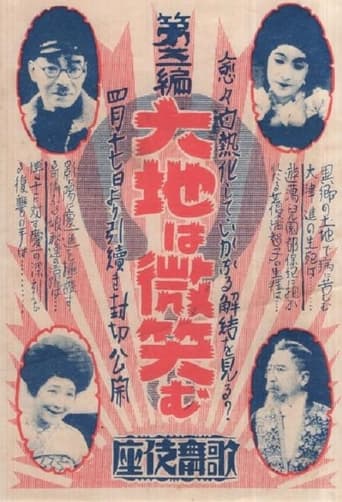 Smiling Earth · 1925
Smiling Earth
★ 7.01925
Movie
A lost Mizoguchi film.
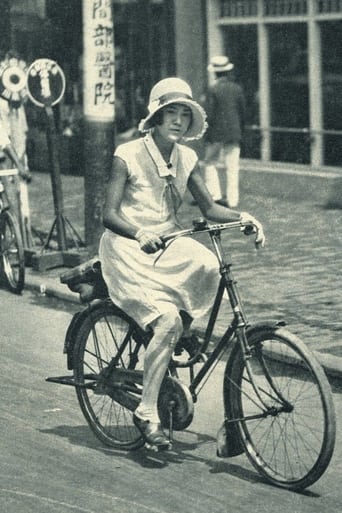 Shining Love · 1931
Shining Love
1931
MovieDrama
Created by Shochiku’s cultural film department on behalf of the Ministry of Education, this film tells an ironic anecdote juxtaposing the fate of a cooper’s son with that of the son of a middle-class salaried worker, and championing the virtues of honest poverty and diligence. An educational film preaching a fable-like message, it is however filled with humorous scenes that offset the film’s didacticism. Original director Yoshio Nishio fell ill and was replaced halfway through the shooting by the admired filmmaker Hiroshi Shimizu; though finished in May 1931, the film was shelved and never given a general release. Shot as a silent film, this version of the film features musical accompaniment, sound effects, and a spoken commentary track by a benshi narrator, thus bearing witness to the variety of forms taken by sound film during this transitional period.